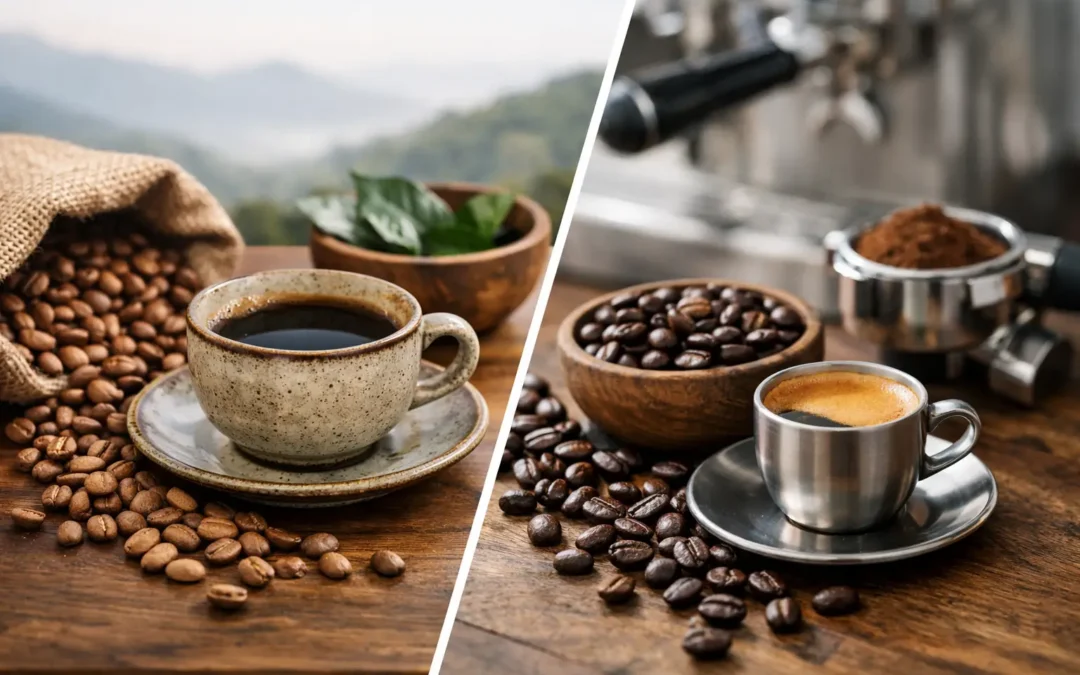
You taste it straight away. One coffee hits with a bright citrus snap and a floral lift that keeps changing as it cools. Another lands rounder, richer and more settled in the cup, with chocolate, nuts and a finish that feels built for a second sip. That is the real...
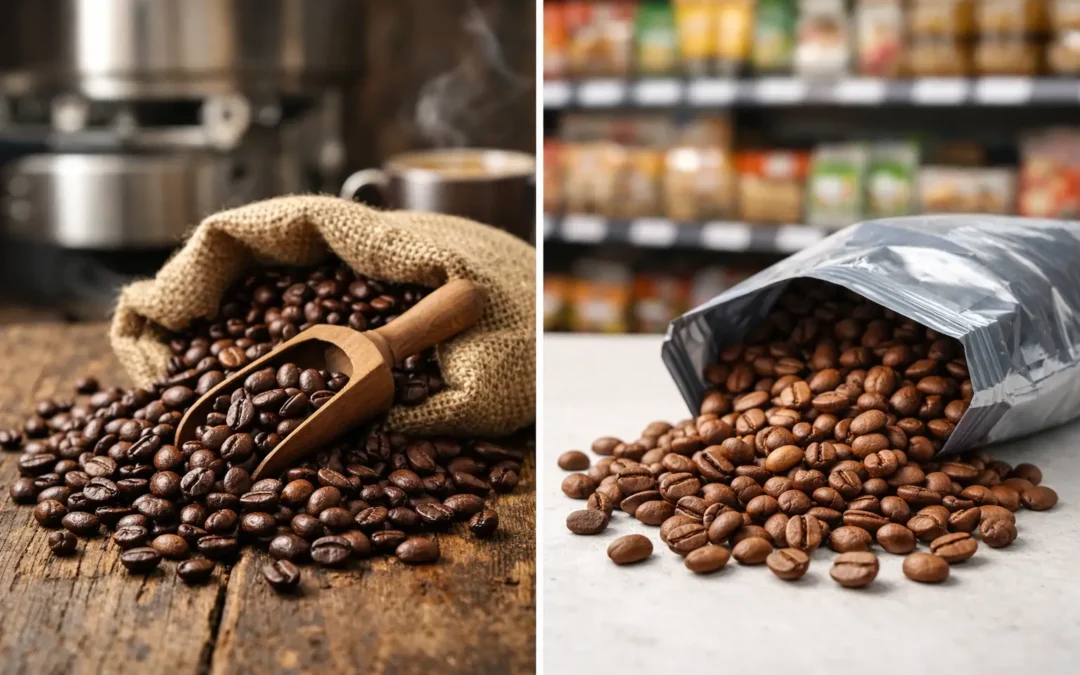
You can smell the difference before you even brew it. That first burst from a bag opened a few days after roasting is lively, sweet and full of promise. When people ask about fresh roasted beans versus supermarket coffee, that moment is often the whole story in...
You can tell a lot about a coffee before it ever hits the grinder. If the bag is vague, the roast date is missing, and the beans have been sitting on a supermarket shelf under bright lights for who knows how long, you are already starting behind. Knowing how to buy...
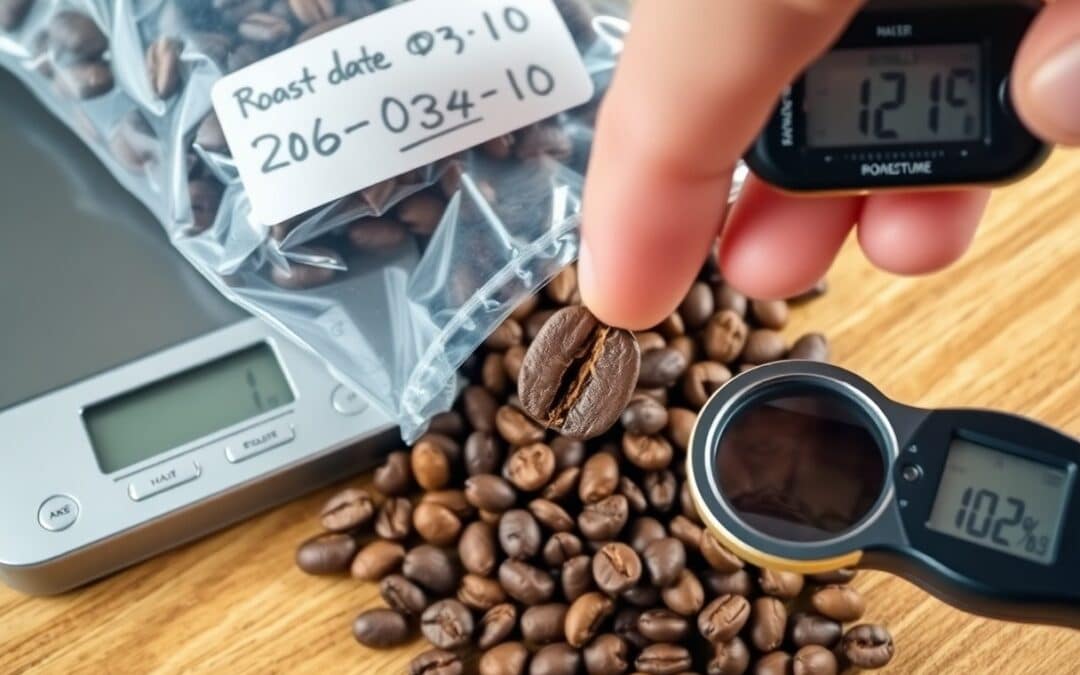
Most of your assessments depend on aroma, appearance, and extraction timing; you learn to sniff acidity, inspect oil sheen, and watch bloom and crema to judge bean freshness reliably.Key Takeaways: Roast date and degassing: Allow 48-72 hours after roast for degassing;...
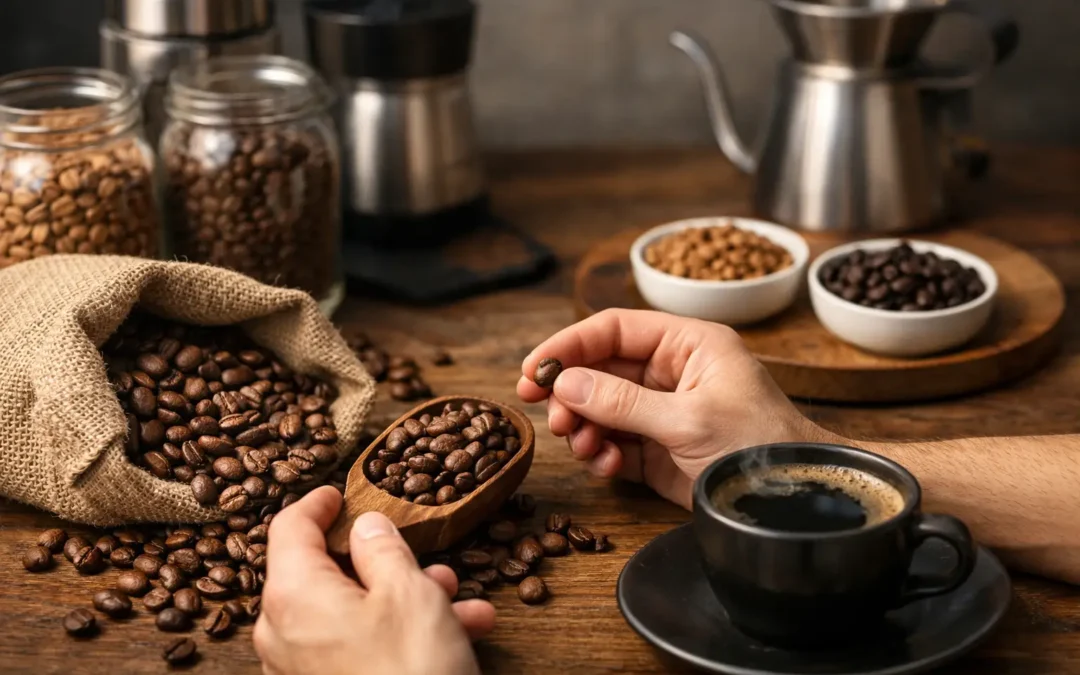
There’s a simple set of checks you can use: smell for bright, fresh aromatics, examine glossy oil and intact beans, test for spring and uniformity, and verify roast and roast date to confirm peak freshness so you consistently choose top-quality beans.Key...
Over time beans lose aroma; you can preserve peak freshness by storing them whole in airtight, opaque containers in a cool, dry spot, grinding only before brewing and rotating stock regularly.Key Takeaways: Store beans in an opaque, airtight container in a cool, dark...