


Over time beans lose aroma; you can preserve peak freshness by storing them whole in airtight, opaque containers in a cool, dry spot, grinding only before brewing and rotating stock regularly.
Key Takeaways:
- Store beans in an opaque, airtight container in a cool, dark place away from heat, light, and moisture.
- Buy whole beans and grind just before brewing to preserve aromas and oils.
- Freeze excess beans in small, vacuum-sealed portions and thaw only once before use to prevent moisture damage.
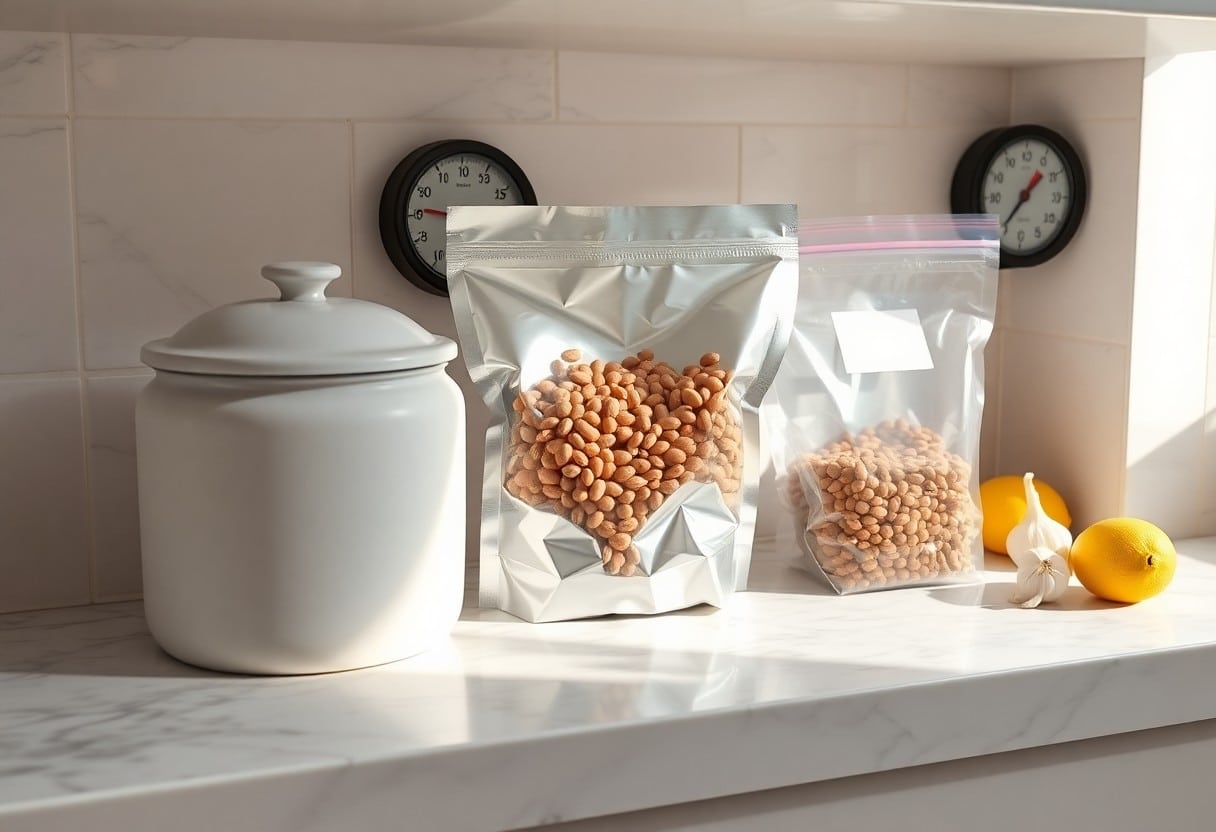
Identifying Environmental Factors of Bean Degradation
You should monitor moisture, oxygen, light and temperature because each one accelerates flavor loss and oil oxidation when conditions stray from ideal storage.
- Moisture: mold risk and flavor dilution
- Oxygen: staling and oil oxidation
- Light: breakdown of volatile aromatics
- Heat: faster chemical degradation
- Odors: flavor absorption from surroundings
Any storage approach you adopt must seal out air, block light, and keep beans cool so you preserve peak aroma and taste.
The Damaging Effects of Oxygen and Oxidation
Oxygen attacks bean oils and aromas, producing staleness and rancidity; you will notice flat, muted flavors soon after prolonged exposure or repeated air exchange.
Oxygen and Oxidation
| Exposure | Impact |
|---|---|
| Freshly opened bag | Rapid aroma loss within days |
| Repeated scooping | Accelerated oxidation of oils |
| Continuous air contact | Permanent flavor degradation |
Managing Light Exposure and Temperature Fluctuations
Light triggers photodegradation while temperature swings speed chemical reactions; you should keep beans in opaque containers away from windows and heat sources to slow decline.
Light & Temperature
| Risk | Countermeasure |
|---|---|
| Direct sunlight | Opaque storage or cupboard |
| Daily temperature swings | Stable pantry or cool cabinet |
| Heat from appliances | Store away from ovens and kettles |
Store beans in airtight, opaque containers kept at a steady, cool room temperature; you should avoid the fridge for whole beans and rotate stock so older bags are used first.
Practical Storage Tips
| Action | Benefit |
|---|---|
| Use one-way valve bags or airtight jars | Limits oxygen ingress |
| Choose opaque containers | Blocks light damage |
| Keep in a stable pantry spot | Prevents thermal spikes |
How-To Establish the Optimal Storage Environment
Store beans in opaque, airtight containers so you protect them from light and oxygen, and keep them away from heat sources and strong odors.
Aim to keep your storage area at stable temperatures with low humidity so you slow oil oxidation and preserve aroma.
Locating the Perfect Cool and Dark Pantry Space
Choose a pantry shelf away from the oven and windows so you maintain cooler, consistent conditions and shield beans from stray heat.
Check your pantry for direct sunlight and heat fluctuations and move containers if you spot warm areas near appliances or exterior walls.
Understanding the Risks of Refrigeration and Freezing
Avoid the refrigerator because you expose beans to moisture and common kitchen odors that speed staling and flavor loss.
Freezing whole beans can protect aroma for months if you vacuum-seal them, but you must prevent repeated thawing that causes condensation and oil breakdown.
If you must freeze beans, you should portion them into single-use airtight bags and thaw each pack only once to limit moisture cycles.
Professional Tips for Purchasing and Handling
Store beans in airtight, opaque containers away from heat and moisture, keeping roast dates visible so you can rotate by FIFO and avoid stale stock.
- Check roast dates and favor roasters who disclose them prominently.
- Choose whole-bean bags with one-way valves and transfer to small jars for daily use.
- Assume that buying smaller batches more often preserves peak flavor better than long-term bulk storage.
Buying in Smaller Quantities for Faster Rotation
Buy amounts you can consume within two weeks of opening, matching purchases to your brew frequency so beans stay within their freshest window.
Preserving Essential Oils Through On-Demand Grinding
Grind only what you need immediately with a quality burr grinder to lock in volatile oils and aroma for each brew.
Use a grinder with consistent particle size and adjust grind per method; when pre-grinding is unavoidable, portion into single-use airtight containers and consume quickly.
Best Practices for Post-Opening Maintenance
Keep your opened beans in opaque, airtight containers and store them away from light and heat; consult Freshness – Tips and Techniques for community-tested methods.
Rotate small batches into daily-use canisters so you limit air exposure and grind only what you need for consistently fresher cups.
Proper Transfer Techniques from Retail Packaging
When moving beans from retail bags, pour slowly into your storage jar to avoid static cling and minimize bean crushing that accelerates staling.
Seal leftover retail bags with a clip and store them separately so you reduce repeated exposure when opening the primary container.
Implementing a First-In, First-Out Labeling System
Label each container with roast date and a simple priority code so you always pick the oldest batch first when planning your brews.
Adopt a color or number system and position newest containers at the back so you naturally reach for older beans.
Include roast date, origin, and a suggested use-by based on your consumption rate so you can discard truly stale beans instead of guessing.
Assessing Quality and Freshness Standards
Check roast date and packaging first; you should favor beans with a clear roast date and one-way valve packaging to limit oxygen exposure. Inspect origin and roast level notes to match your freshness expectations and brewing style.
Store guidelines should be set for rotation: use beans within two to four weeks of roast for peak flavor and keep them in a cool, dark place in an airtight container to slow degradation.
Sensory Evaluation of Aroma and Visual Cues
Smell the beans in small batches to detect lively floral, fruity, or chocolate notes that signal freshness; a flat or papery aroma indicates loss of volatile compounds. You can also crush a bean to confirm an immediate, vibrant scent.
Look for uniform color and intact, dry surfaces; excessive oil on lighter roasts or uneven patches suggest age or poor storage, while visible defects or foreign debris indicate compromised quality.
Identifying Signs of Stale or Compromised Beans
Taste brewed samples for dullness, cardboard, or rancid flavors that reveal staling; sharp sourness or fermented notes can point to processing defects or moisture exposure. You should compare against a known-fresh cup when unsure.
Discard beans that show mold, persistent musty odors, insect activity, or clumping from moisture, as these are clear signs of contamination rather than simple staling.
Note a quick freshness check: grind a small amount, inhale immediately, then pour a bloom shot; a poor aroma and a weak bloom are reliable indicators that beans have lost CO2 and peak flavor.
Final Words
Presently you can maintain perfect bean freshness at home by storing whole beans in opaque, airtight containers in a cool, dry spot away from light and heat. You should grind only the amount you will brew, buy small batches from reliable roasters, and avoid frequent temperature swings by keeping storage out of direct sunlight and ovens. Freezer storage preserves beans long-term if you portion them into airtight bags and thaw before use to avoid moisture.
FAQ
Q: What causes coffee beans to lose freshness?
A: Oxygen exposure causes oxidation of the aromatic oils and compounds in coffee, which flattens flavor. Moisture draws out oils and can trigger staling or mold, depending on humidity. Heat speeds up chemical reactions that degrade volatile aromatics. Light breaks down delicate compounds and can change flavor profiles over time.
Q: How should I choose beans to maximize freshness at home?
A: Check the roast date and choose beans roasted as recently as possible; avoid “best by” dates that do not indicate roast timing. Buy whole beans rather than preground to preserve aromatics until brewing. Purchase amounts that match your consumption rate so you use each bag within a few weeks of opening. Favor sealed bags with one-way valves to allow CO2 release without letting oxygen in.
Q: Are beans better stored in the pantry, fridge, or freezer?
A: Store beans at room temperature in a cool, dark pantry for daily use to avoid condensation and odor transfer. Freeze beans only when buying large quantities and when you will not open the bag frequently; divide into small, airtight, labeled portions before freezing. Thaw frozen portions to room temperature inside the sealed container before opening to prevent moisture from condensing on the beans. Avoid the refrigerator because frequent temperature changes introduce moisture and odors.
Q: What type of container preserves bean freshness best?
A: Use an opaque, airtight container made of glass, ceramic, or stainless steel to block light and minimize air exchange. Choose a container size that holds a single week’s worth of beans to reduce headspace and repeated exposure to oxygen. Select containers with a tight lid or a vacuum-seal option if you want extra protection; bags with one-way degassing valves also work well for short-term storage.
Q: How long do whole beans stay fresh once roasted?
A: Peak flavor typically occurs between about 3 and 21 days after roast, depending on bean and roast level. Flavor begins to decline noticeably after several weeks as volatile aromatics dissipate. Proper storage can extend acceptable flavor for a month or more, but material loss continues gradually with time. Ground coffee loses freshness much faster because of increased surface area.
Q: When is the best time to grind beans for brewing?
A: Grind immediately before brewing to preserve volatile aromatics and full flavor. Match grind size to your brewing method for optimal extraction and avoid overextraction or underextraction. Mill beans in small batches to prevent heat buildup from the grinder blade, which can alter flavor. Clean the grinder regularly to prevent old grounds from affecting fresh grinds.
Q: How can I tell if beans have gone stale or are past their prime?
A: Stale beans smell flat or muted compared with fresh beans and lack bright, complex aromas. Brewed coffee made from stale beans often tastes dull, papery, or washed out and may lack crema for espresso. Oily buildup on the surface of dark roasts indicates age and exposure; this oil can oxidize and taste rancid over time. If beans absorb other strong odors or show signs of moisture damage, discard them.