
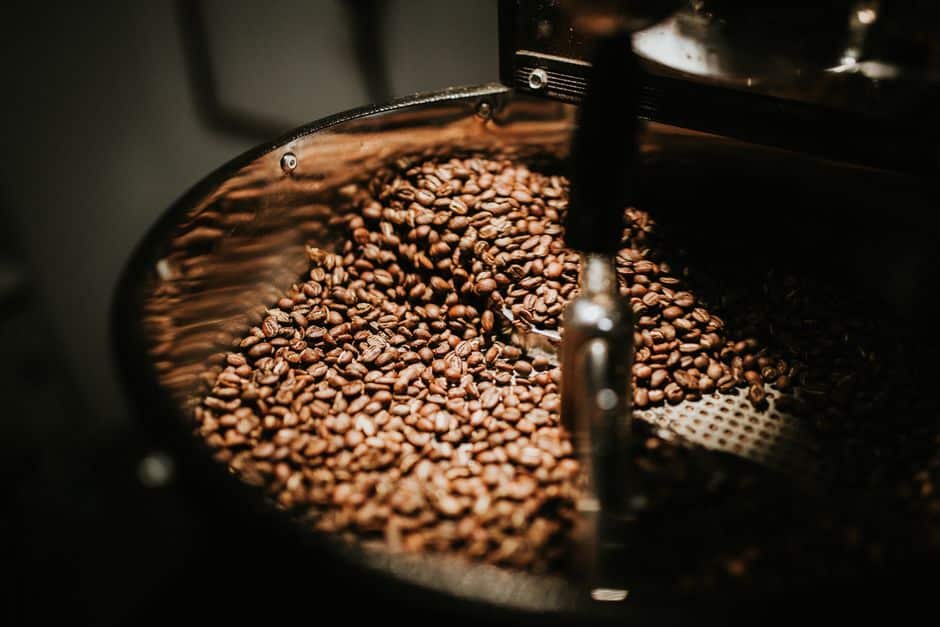
Australia has one of the most developed coffee cultures in the world, and specialty coffee sits at the top of it. But the word “specialty” is printed on plenty of bags that do not deserve it. So what actually makes specialty coffee different, and is it worth paying more for? This guide explains what the term means, why it tastes different, and how to choose specialty beans for home, work or events.
What Sets Specialty Coffee Apart
Specialty coffee starts with the raw ingredient. Green coffee is graded on defects and assessed by trained tasters, and only the top grades qualify as specialty. These coffees are typically Arabica grown at higher altitudes, picked ripe and processed carefully, which gives them more sweetness, clarity and complexity than commodity coffee.
The difference continues through every step after that: how the beans are roasted, how quickly they reach you and how they are brewed.
Small Batch Roasting and Freshness
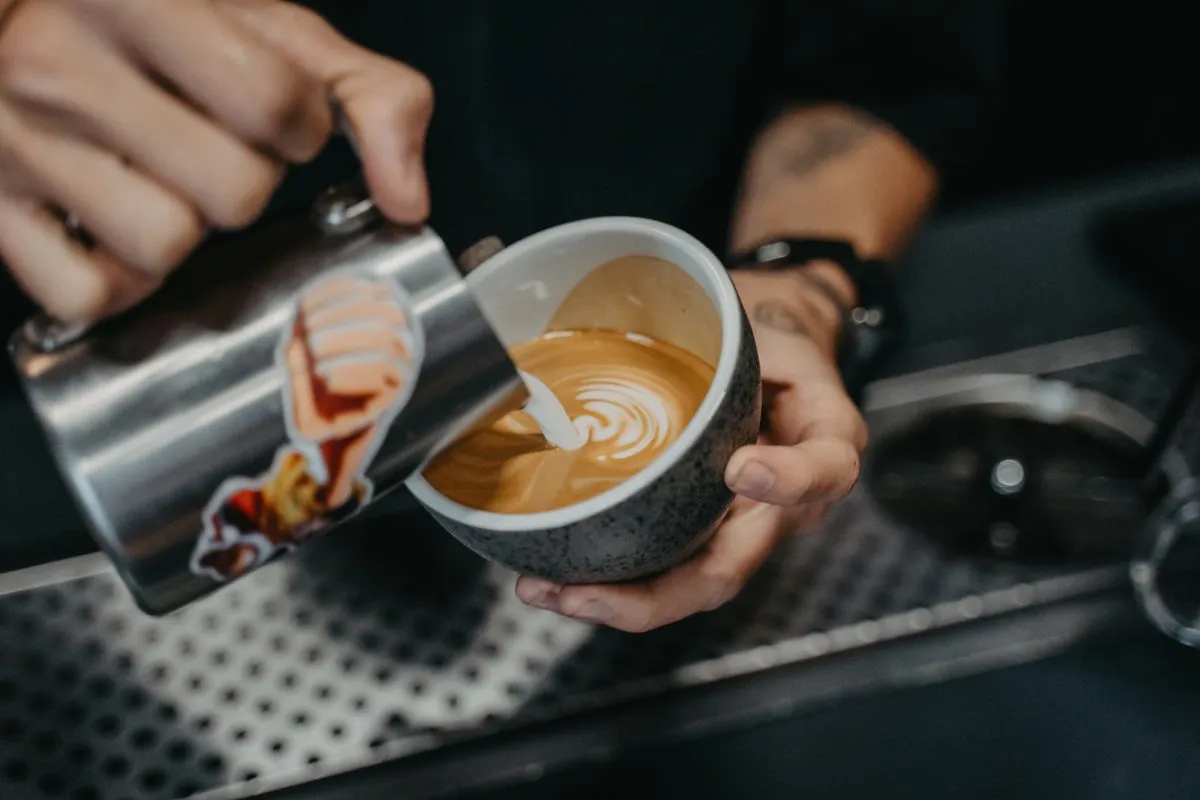
Specialty roasters usually roast in small batches, adjusting each roast profile to suit the beans. A small batch gives the roaster more control and means coffee is roasted closer to when it will be used. Fresh coffee releases more aroma and produces a richer crema, and it tastes sweeter. Most coffee is at its best from about one to four weeks after roasting.
Commodity coffee is roasted in large volumes and often roasted darker to create a uniform flavour. Dark roasting covers defects, but it also covers the character of the bean.
Sourcing: Single Origins and Traceability
Specialty roasters can usually tell you exactly where their coffee comes from: the country, the region, often the farm and the processing method. That traceability matters for flavour, since altitude, soil, variety and processing all shape the cup. It also matters for fairness, because higher quality coffee generally earns producers a better price.
Single origin coffees let you taste one place at a time, from the bright citrus of an Ethiopian washed coffee to the chocolate sweetness of a Brazilian natural. Blends combine origins to create balance and consistency.
The Specialty Coffee Scene in Australia
Australia’s café culture grew from post-war Italian and Greek migration, and the flat white became a national habit. Today almost every city has independent roasters supplying cafés and selling beans direct to home brewers. Baristas, roasters and producers share knowledge through competitions, cuppings and training, which keeps standards high.
Why Specialty Coffee Costs More
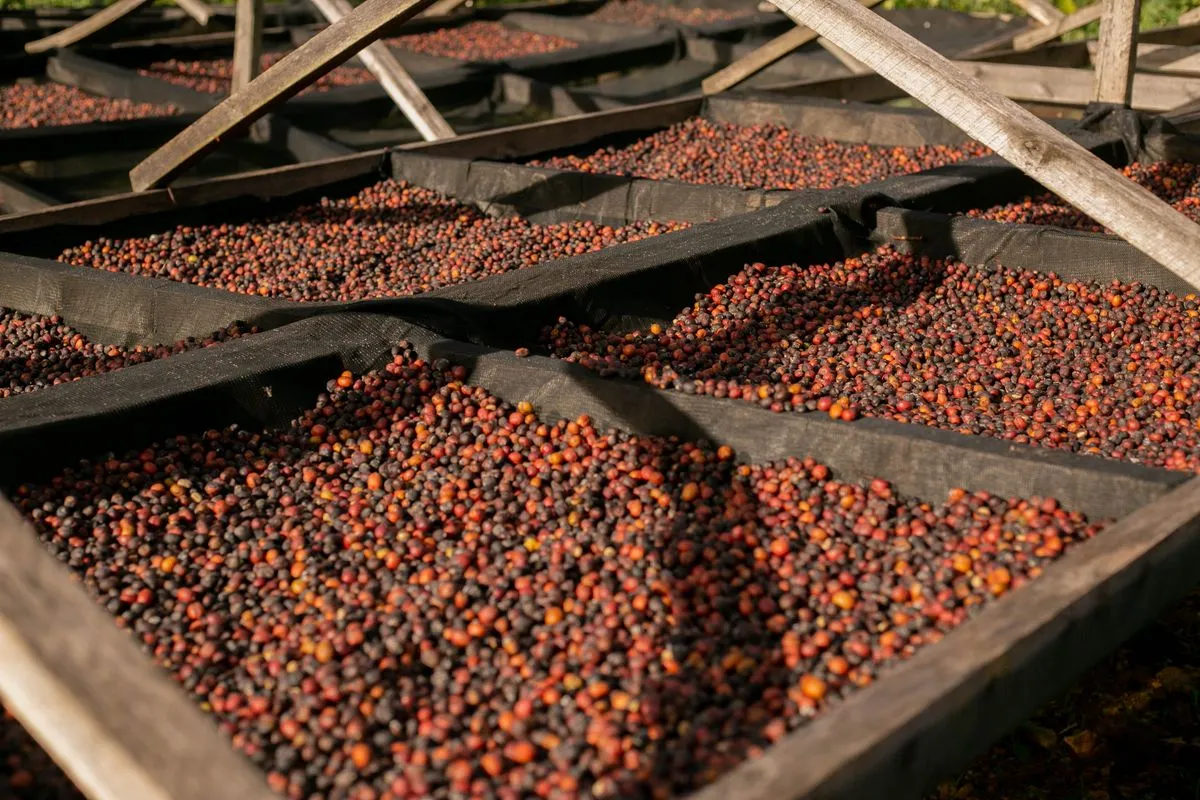
Specialty green coffee costs more to grow and buy, small batch roasting takes more time, and fresh coffee cannot sit in a warehouse for months. Spread across the cups in a bag, though, the extra cost is small: a kilogram of beans makes around 50 double espressos, so even premium beans cost far less per cup than a café coffee.
Specialty Coffee Beyond the Café
Specialty coffee is no longer limited to cafés. Workplaces are replacing pods with fresh beans and barista-style machines, and events are booking mobile coffee vans that serve café-quality coffee on site. LygonCoffee roasts specialty coffee in Adelaide and brings it to homes, offices and events across Adelaide.
How to Choose Specialty Coffee Beans
- Look for a roast date and use the beans within a few weeks.
- Choose a roaster that names the origin and, ideally, the farm or region.
- Match the roast to your brew method: medium for espresso and milk, lighter for filter.
- Buy whole beans and grind just before brewing.
A good place to start is our OmniSoul blend, an omni roast of Brazilian and Colombian lots that works for espresso, filter and cold brew, or our single origin coffees if you want to explore.
Frequently Asked Questions
What is the difference between specialty and regular coffee?
Specialty coffee uses top-grade green beans with few defects, is roasted with care to bring out each coffee’s character, and is sold fresh. Regular coffee uses lower grades, is roasted in bulk and often sits for months before use.
Is specialty coffee always single origin?
No. Many specialty roasters make blends from specialty-grade beans. Blends are designed for balance and consistency, especially in milk drinks.
Is specialty coffee stronger?
Not necessarily. Strength depends on how much coffee you use and how you brew it. Specialty coffee usually tastes sweeter and more flavourful, rather than more bitter.
How should I store specialty coffee beans?
Keep them in an airtight, opaque container away from heat, light and moisture. Avoid the fridge, and grind only what you need for each brew.