
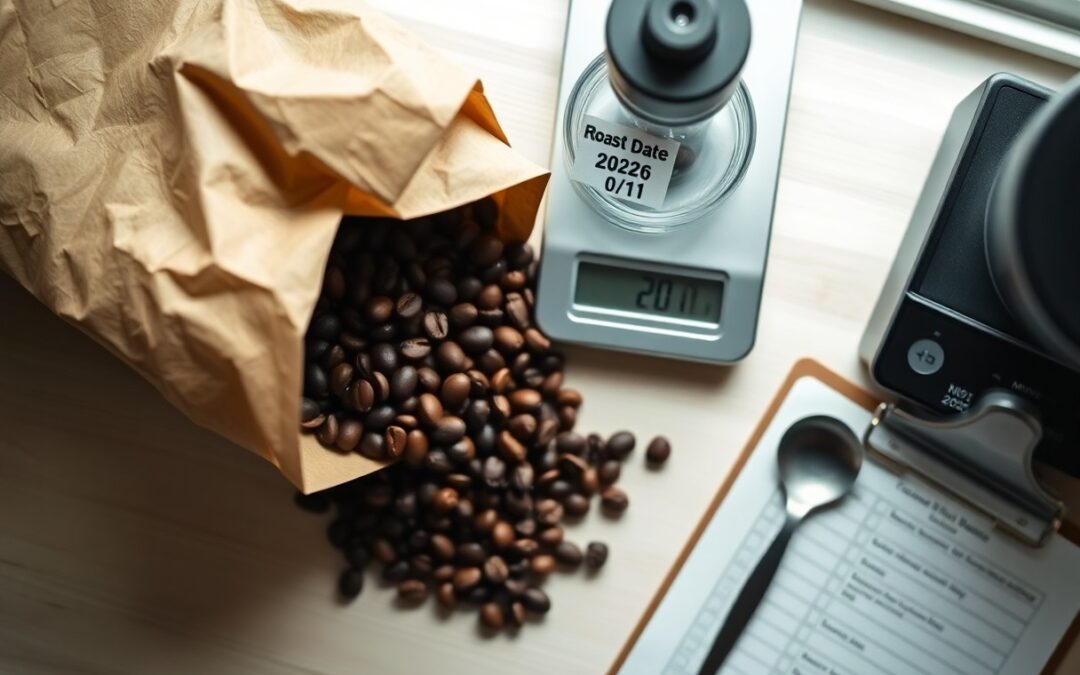
This guide teaches you to assess coffee bean freshness, interpret roast dates, identify aroma and visual cues, and apply storage practices so you can select and preserve beans for peak flavor every brew.
Key Takeaways:
- Roast date matters: consume whole-bean coffee within 2-4 weeks after roasting for peak flavor and grind immediately before brewing.
- Storage in an airtight, opaque container away from heat, light, and moisture preserves flavor; keep beans in a cool, dark place and avoid clear bags or porous containers.
- Freezing whole beans in airtight packages is effective for long-term storage, but avoid repeated thawing; do not refrigerate beans intended for daily use.
Critical Factors Affecting Coffee Bean Degradation
Storage in sealed, opaque containers slows aroma loss and limits exposure to the elements, while poor packaging or frequent opening accelerates staling and off-flavors for your beans.
- Oxidation: air exposure removes volatile oils
- Moisture: humidity promotes mold and flavor shifts
- Temperature: heat speeds chemical breakdown
- Light: UV degrades oils and color
Moisture and temperature swings together harm bean integrity and can create musty notes if you leave beans in damp or warm spots. Recognizing how each factor compounds degradation helps you prioritize storage choices.
The Role of Oxidation and Air Exposure
Oxidation strips volatile aromatics and turns bright flavors flat, so you should limit air contact by buying sealed bags, using one-way valves, and opening small portions at a time.
Oxidation and Air Effects
| Air exposure | Loss of aroma, rancidity |
| Packaging breach | Accelerated staling |
| Repeated opening | Faster quality decline |
Impact of Temperature, Humidity, and UV Light
Temperature spikes promote oxidation and volatile loss, so you should store beans in cool, stable spots away from ovens, windows, and direct sunlight to preserve complexity.
Humidity extremes cause swelling, mold risk, or desiccation that dulls flavors, so you must avoid damp areas and rapid temperature changes that create condensation on the beans.
Temperature, Humidity & UV
| High temperature | Speeds chemical breakdown |
| Variable humidity | Mold risk and flavor shifts |
| UV light | Degrades oils and color |
Pros and Cons of Different Roast Levels on Longevity
| Pros | Cons |
|---|---|
| Light: Denser beans with minimal surface oils slow oxidation and preserve acidity and aromatic clarity. | Light: Delicate flavors are sensitive to moisture and odors, so you must protect them from exposure. |
| Light‑Medium: Balanced structure offers reasonable flavor retention while remaining relatively stable. | Light‑Medium: Still vulnerable to oxygen and humidity; grind size and packaging affect longevity. |
| Medium: Moderate oil development gives a forgiving profile that often holds well for several weeks. | Medium: Surface oils begin to oxidize faster, making aroma loss more noticeable over time. |
| Medium‑Dark: Fuller body can mask early staling, offering perceived freshness shortly after roast. | Medium‑Dark: Increased oil presence and faster degassing raise risks of rancidity and faster flavor decline. |
| Dark: Intense flavors may conceal small quality drops immediately after roasting. | Dark: Heavy surface oils and rapid CO2 release shorten shelf life and demand rapid consumption. |
Stability Characteristics of Light Roasts
Light roasts keep more intact cell structure and fewer surface oils, so you’ll notice slower chemical oxidation when beans are stored whole.
You should favor airtight, cool storage and minimal grinding because light roasts absorb ambient odors and moisture more readily than darker roasts.
Rapid Degassing Challenges in Dark Roasts
Dark roasts develop more surface oils and release CO2 quickly, so you’ll face packaging pressure issues and faster aroma loss if degassing isn’t managed.
Consider using one‑way valve bags and shorter retail windows because heavy degassing accelerates exposure of oils to oxygen and speeds staling.
Degassing behavior varies by origin and roast level, so you must balance sufficient rest with timely sealing to avoid either trapped pressure or premature aroma fade.
Step-by-Step Guide to Testing Bean Freshness at Home
Test small samples by sealing a spoonful in a bag and watching for inflation; you can cross-check findings with Does Coffee Freshness Really Matter?
You should log roast dates and brief sensory notes so you can track declines in aroma, crema, or sweetness across days.
| Quick Home Tests | |
| Ziploc CO2 Test | You seal 20-30g and watch for inflation; smell for fresh, bright aroma. |
| Bloom Observation | You note vigorous bubbling and strong aroma during first pour as signs of recent roast. |
Performing the Ziploc Bag CO2 Test
Check 20-30g of beans in a sealed Ziploc at room temperature; you will see the bag inflate within 24-48 hours if CO2 is active, and a flat bag suggests diminished freshness.
Evaluating Freshness Through the Bloom During Brewing
Observe the bloom when hot water first hits grounds; you will see rapid bubbling and an immediate fragrant lift from fresher beans that release trapped gases.
Compare blooms between batches: you can time the initial surge and note bubble persistence-strong, sustained bloom (about 30-45 seconds) usually indicates a recent roast and active CO2 release.
Professional Tips for Maintaining Peak Flavor Profiles
You should focus on simple routines: buy whole beans with roast dates, store them in airtight opaque containers away from heat, and grind just before brewing to preserve volatile aromatics.
- Keep beans in small batches to limit exposure.
- Use a quality burr grinder and clean it weekly.
- Note roast dates and plan consumption within two to three weeks.
Perceiving subtle changes in acidity or aroma lets you tweak dose, grind size, or water temperature to keep cups tasting their best.
Optimal Grinding Schedules for Maximum Aroma
Set a grinding routine tied to your brew method: grind espresso immediately before pulling a shot, grind pour-over within minutes of brewing, and prepare French press grinds no more than a few hours ahead to retain bright aromatics.
Strategic Purchasing and Small-Batch Rotation
Plan purchases to match your weekly consumption: choose 250-500 g bags from roasters that list roast dates, favor small releases, and avoid stocking large quantities that sit unused.
Rotate stock using FIFO and label bags with roast and open dates; store opened bags in opaque jars and aim to use them within two to three weeks for peak flavor.
Conclusion
Conclusively you should judge coffee bean freshness by roast date, aroma, and packaging, choosing whole beans kept airtight, cool, and dark. You can extend flavor by buying small batches, grinding just before brewing, and discarding beans when aroma or taste decline.
FAQ
Q: What does “fresh” mean for coffee beans?
A: Freshness refers to how recently beans were roasted and how much of their volatile aromatics remain intact. Roasted beans release gases in the days after roasting; controlled degassing often precedes peak flavor. Specialty beans commonly show their best balance of aroma and acidity within roughly 4 to 21 days after roast, though optimal timing varies by roast level and brew method.
Q: How can I tell if coffee beans are fresh?
A: Check the roast date on the bag; a clear roast date is the most reliable simple indicator of freshness. A strong, complex aroma and, for darker roasts, slight surface oils suggest freshness, while a dull, cardboard-like smell indicates staling. Packaging with a one-way valve or vacuum seal helps preserve beans and signals a roaster paying attention to freshness.
Q: What is the difference between roast date and best-before date?
A: Roast date shows when the beans were roasted and marks the starting point for freshness. Best-before or sell-by dates are producer guidelines for quality over time rather than exact freshness cutoffs. Prioritize using beans within a few weeks of the roast date for peak flavor instead of relying solely on the printed best-before label.
Q: Are whole beans better than pre-ground for freshness?
A: Whole beans retain volatile compounds far longer because they expose much less surface area to oxygen. Grinding increases oxidation and aromatic loss, so grinding immediately before brewing preserves most of the bean’s character. Pre-ground coffee can be convenient but often loses distinctive notes within days, especially for light and single-origin coffees.
Q: How should I store coffee beans to keep them fresh?
A: Store beans in an opaque, airtight container at room temperature away from direct light, heat, and moisture. Avoid clear jars, open cabinets near ovens, or frequent temperature swings that accelerate staling. For daily use, skip the refrigerator; for longer-term storage, freeze beans in small, airtight portions and only remove one portion at a time.
Q: How long do roasted coffee beans stay fresh?
A: Whole roasted beans typically deliver their best flavor within the first one to three weeks after roast, depending on roast level and how you brew. Light roasts may benefit from a brief resting period after roasting, while darker roasts often peak sooner. Ground coffee loses its best flavors within a week or two, and most roasted beans taste noticeably stale after two to three months, though they remain safe to brew.
Q: Can I freeze coffee beans to extend freshness?
A: Freezing can slow chemical changes if you pack beans airtight in portion-sized bags or containers and remove as much air as possible. Keep frozen portions sealed until fully thawed at room temperature before opening to prevent condensation on the beans. Do not subject beans to repeated freeze-thaw cycles, and avoid freezing if you plan to use the beans daily because temperature changes can harm flavor.