Walk down any Australian supermarket aisle, or scroll through a few roaster websites, and you will find hundreds of coffee bean brands. Some are national names that have been around for decades, others are small specialty roasters that only sell online. The labels all promise rich flavour and quality beans, so how do you actually compare them? This guide explains what to look for on the bag, what the differences between brands really come down to, and how to find beans you will enjoy every morning.
The Australian Coffee Bean Market at a Glance
Broadly, coffee beans sold in Australia fall into three groups. Supermarket brands are roasted in large volumes, packed for a long shelf life and sold at a low price per kilogram. Specialty roasters buy higher-grade green coffee, roast in smaller batches and usually sell direct, so the beans reach you sooner after roasting. In between sit established café brands that supply hospitality venues and also sell retail bags.
None of these is automatically right or wrong. The best brand for you depends on how you brew, how much coffee you drink and how much difference freshness makes to your cup. For espresso and pour-over, that difference is large.
What to Compare on the Bag
The label tells you more than the logo does. When you compare brands, check these details first:
- Roast date. A roast date, rather than only a best-before date, is the clearest sign a roaster cares about freshness. Most beans taste their best between about one and four weeks after roasting.
- Origin. A named country, region or farm suggests traceable sourcing. Vague wording such as “premium blend of the world’s finest beans” tells you very little.
- Roast level and intended use. Look for guidance on whether the beans suit espresso, filter or both.
- Tasting notes. Notes like chocolate, caramel or citrus help you predict how the coffee will taste with or without milk.
- Packaging. A resealable bag with a one-way valve keeps beans fresher once opened.
Specialty Roasters vs Supermarket Brands
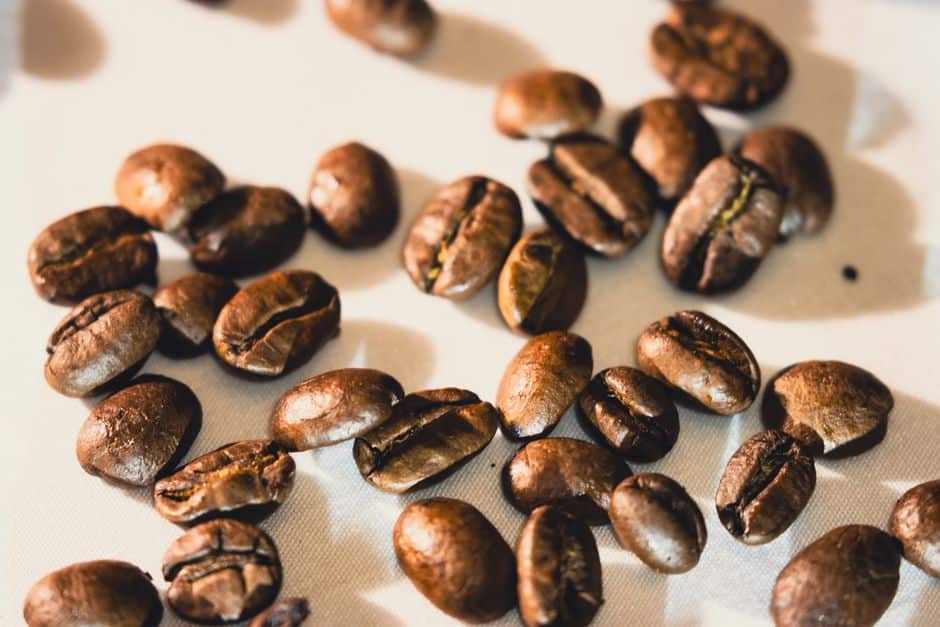
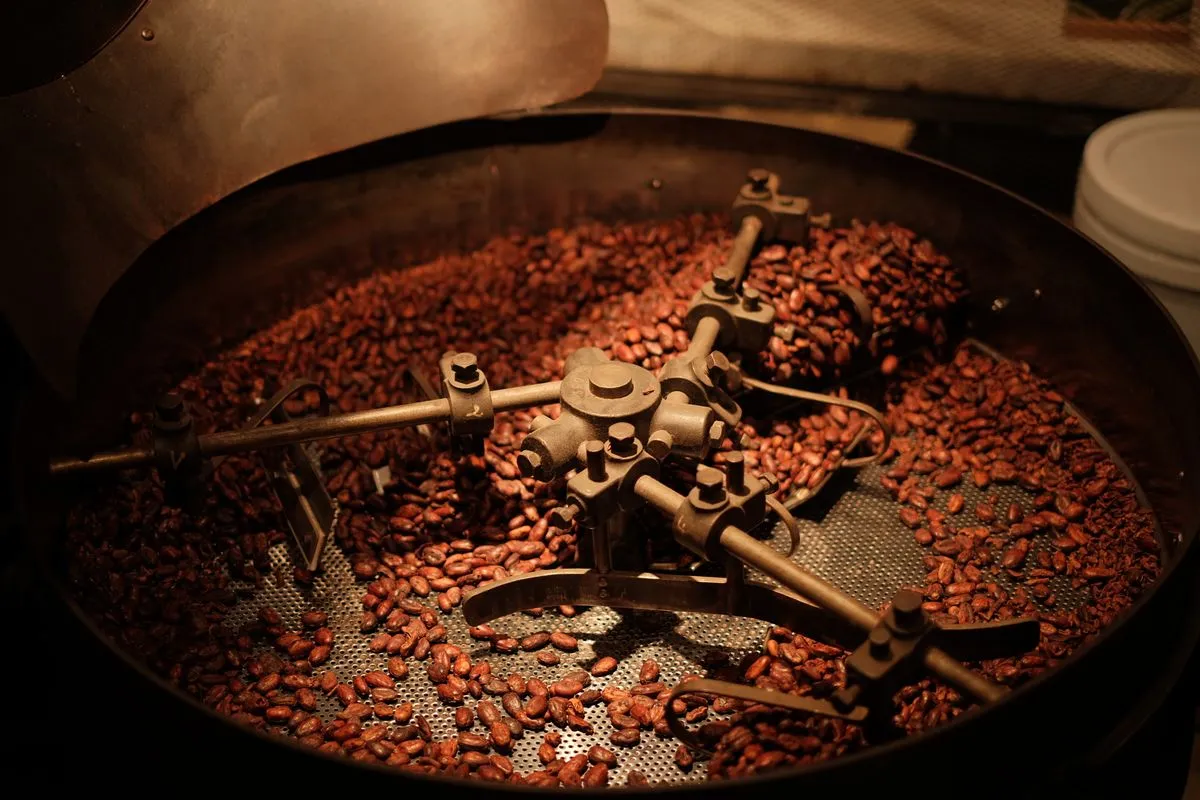
The biggest practical difference is time. Supermarket beans can sit in warehouses and on shelves for months before you open the bag, and the aromatic compounds that give coffee its sweetness and complexity fade over that time. Specialty roasters typically roast to order or in small weekly batches, so the coffee arrives while those flavours are still present.
Specialty roasters also tend to buy higher-scoring green coffee and roast it more carefully to bring out its character, rather than roasting dark to hide defects. If your coffee tastes flat, ashy or bitter no matter how you brew it, the beans are often the cause.
Roast Style and Brew Method
Match the roast to the way you make coffee. Medium and medium-dark roasts are forgiving and taste rich through milk, which suits most home espresso machines. Lighter roasts show more fruit and acidity and shine in pour-over and filter brewers. An “omni” roast sits in the middle and is designed to work well across methods, which is handy if you make espresso on weekdays and a pour-over on the weekend.
Think Price per Cup, Not Price per Bag
A kilogram of specialty beans costs more than a supermarket bag, but a kilogram makes roughly 50 to 55 double espressos. Spread across those cups, the difference is usually less than a dollar a coffee, and still far below café prices. Many roasters also offer subscriptions that take a further percentage off and deliver on a schedule, so you never run out or end up with stale beans.
Where LygonCoffee Fits
LygonCoffee roasts specialty coffee in small batches in Adelaide. Our signature OmniSoul blend combines two Brazilian lots from Cerrado Mineiro with a washed Colombian lot, roasted as an omni roast that tastes chocolatey and nutty through milk and balanced as a black coffee. For something more distinctive, our single origin coffees highlight individual farms and regions. Every order is roasted in Adelaide, with delivery included Australia-wide, and you can subscribe and save 10%.
Browse the full range in the LygonCoffee shop.
Frequently Asked Questions
Which coffee bean brand is best in Australia?
There is no single best brand, because taste is personal. Focus on freshness, a clear roast date, traceable origin and a roast style that suits your brew method. Buying from a roaster that ships soon after roasting will make a bigger difference than the name on the bag.
Are supermarket coffee beans worth buying?
They are convenient and inexpensive, but they are usually older by the time you buy them. If you use an espresso machine or pour-over, freshly roasted beans from a specialty roaster will taste noticeably sweeter and more complex.
How long do coffee beans stay fresh?
Whole beans are at their best for roughly one to four weeks after the roast date, and still good for a few weeks after that if stored airtight, away from heat and light. Ground coffee loses freshness much faster, so grind just before brewing where you can.
What does single origin mean?
Single origin coffee comes from one country, region or farm, so it shows the particular flavours of that place. Blends combine several origins to create a balanced, consistent cup that works well with milk.