
Quick answer: To make cold brew at home, mix 100 g of coarsely ground coffee with 800 ml of cold filtered water, stir, cover and steep in the fridge for 12 to 18 hours. Strain through a paper filter, then dilute the concentrate about 1:1 with water or milk and serve over ice. It keeps for about a week in the fridge.
Cold brew is one of the easiest ways to make good coffee at home in summer. You don't need a machine, a kettle or any barista skills, just ground coffee, cold water, a jar and some patience. This guide covers the recipe, the ratio, which beans to use and how long it keeps.
What is cold brew?
Cold brew is coffee made by steeping grounds in cold or room-temperature water for many hours instead of brewing with hot water for a few minutes. Because the water is cold, it extracts more slowly and pulls out fewer of the sharp, bitter compounds that hot water picks up. The result is a smooth, rounded coffee with lower perceived acidity and a naturally sweet, chocolatey finish.
It isn't the same as iced coffee. Iced coffee is usually hot-brewed coffee or espresso poured over ice. Cold brew never touches hot water.
What you'll need
- 100 g whole coffee beans (or pre-ground on a coarse "plunger" setting)
- 800 ml cold filtered water
- A grinder, if you're using whole beans
- A large jar, jug or plunger (French press)
- A fine sieve plus a paper filter or a clean cloth
- A clean bottle for storing the concentrate
Cold brew recipe: step by step
- Weigh the coffee. Use 100 g of beans. A kitchen scale is more accurate than spoons.
- Grind coarse. Aim for the texture of raw sugar or coarse sea salt, similar to plunger coffee. Too fine and the brew turns muddy and bitter, and it's hard to strain.
- Add the water. Put the grounds in your jar and pour in 800 ml of cold filtered water.
- Stir well. Make sure all the grounds are wet. Dry clumps won't extract.
- Cover and steep. Put the lid on and leave it in the fridge for 12 to 18 hours. 14 hours is a good place to start. You can steep on the bench instead, but keep it under 12 hours if the kitchen is warm.
- Strain. Pour through a sieve to catch the grounds, then strain again through a paper filter or cloth for a clean, sediment-free brew.
- Store. Bottle the concentrate and keep it in the fridge.
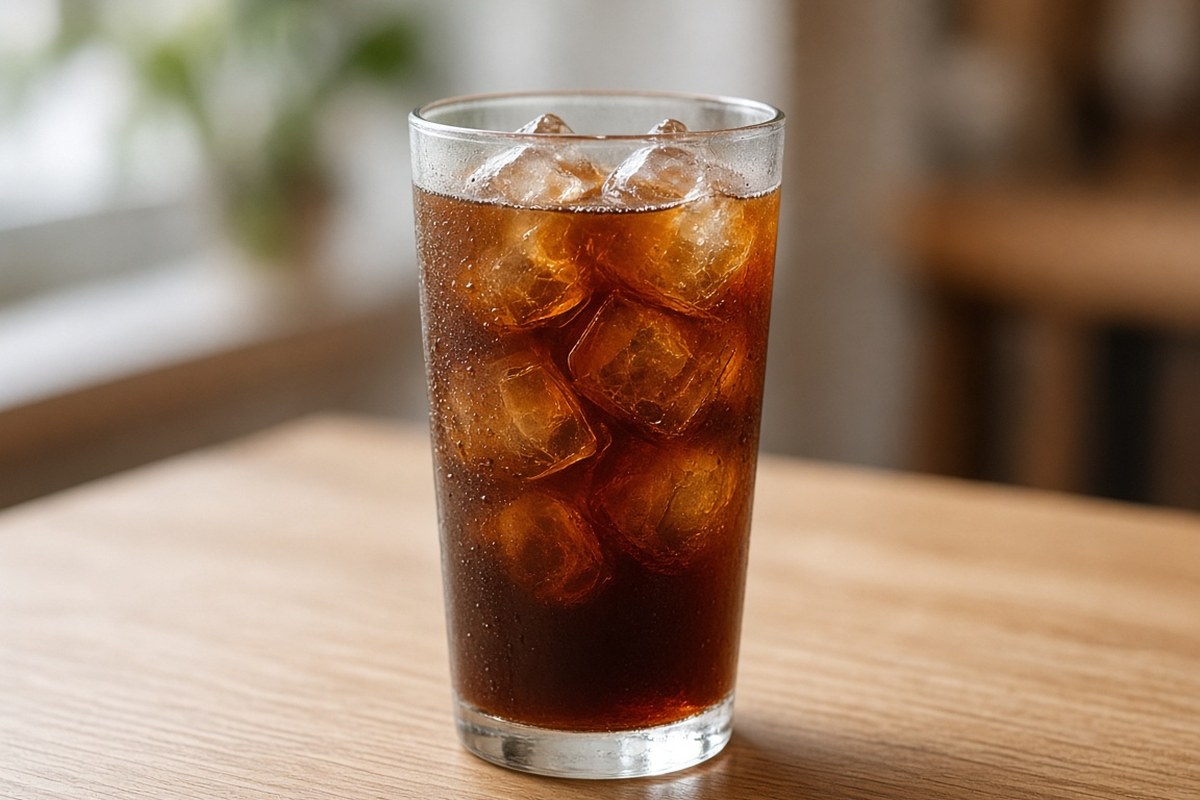
- Serve. Fill a glass with ice, add one part concentrate to one part water or milk, and taste. Adjust from there.
The best cold brew ratio
There's no single right ratio, which is why the question comes up so often. Two easy starting points:
| Style | Coffee : water | Example | How to serve |
|---|---|---|---|
| Concentrate | 1:8 | 100 g coffee to 800 ml water | Dilute about 1:1 with water or milk |
| Ready to drink | 1:12 to 1:15 | 70 g coffee to 1 litre water | Pour straight over ice |
A concentrate is the most flexible. It takes up less fridge space and you can make it stronger or milder in the glass. If your cold brew tastes weak, use more coffee or steep a little longer. If it tastes bitter or dry, grind coarser or shorten the steep.
What coffee is best for cold brew?
Cold brew suits beans with chocolate, caramel and nutty notes, because the slow extraction brings those flavours forward. Very light, bright roasts can taste flat in cold brew, while very dark roasts can taste smoky.
Our picks from the LygonCoffee range:
- OmniSoul blend: our signature blend of Brazil and Colombia, chocolatey and nutty. It's a medium omni roast, built to work across espresso, filter and cold brew, so one bag covers your hot coffee and your summer cold brew.
- Los Altiplanos: a Nicaraguan washed single origin, a good choice if you drink your cold brew black.
- Apía Decaf: a Colombian decaf, which suits an afternoon or evening cold brew without the caffeine.
All our beans are roasted in Adelaide. You can browse everything in the shop.
Fresh beans matter even in cold brew. Coffee that's been sitting on a supermarket shelf for months tastes papery whatever method you use.
Should you grind your own beans?
Grinding just before brewing gives the freshest flavour, and a good grinder makes a consistent coarse grind with fewer fine particles. If you're thinking about a grinder or a machine for home, our home espresso machine and grinder setups are worth a look. No grinder? Use pre-ground coffee on a coarse plunger setting and use it within a couple of weeks.
How to make cold brew in a French press
A plunger is the easiest cold brew maker most people already own.
- Add 100 g of coarse coffee to the plunger.
- Pour in 800 ml of cold water and stir.
- Put the lid on with the plunger pulled up, and leave it in the fridge for 12 to 18 hours.
- Press the plunger down slowly.
- Pour through a paper filter into a bottle to remove the fine sediment.
Don't leave the coffee sitting on the grounds after pressing. Decant it so it doesn't keep extracting.
Cold brew vs cold drip
People often mix the two up. Cold brew is full immersion: the grounds soak in water for hours. Cold drip, sometimes called slow drip, drips ice water through a bed of coffee one drop at a time over several hours, usually in a glass tower. Cold drip tends to taste lighter and more tea-like, and cold brew rounder and heavier. Both work with the beans above. If you'd like to try cold drip, have a look at the coffee accessories in the shop. You can see every cold drip tower we stock in the shop.
How long does cold brew last?
Strained cold brew concentrate keeps for about a week in a sealed bottle in the fridge. It's at its best in the first three or four days, then slowly loses its brightness. Once you've added milk, drink it the same day. Always strain the grounds out before storing, as leaving them in makes the coffee over-extracted and bitter.
Is cold brew stronger than regular coffee?
It depends on how you make and serve it. Cold brew concentrate is strong because it uses a lot of coffee, but once you dilute it, a glass is often similar in strength to a normal cup. Caffeine varies with the beans, the ratio, the steep time and how much you dilute, so there's no single number. For less caffeine, dilute more or use our decaf.
Ways to serve cold brew
- Black over ice: one part concentrate, one part water.
- Cold brew with milk: one part concentrate, one to two parts cold milk. Oat milk works well with chocolatey beans.
- Sweetened: stir in a little sugar syrup, since sugar doesn't dissolve well in cold coffee.
- Cold brew espresso martini: cold brew concentrate can stand in for espresso in an espresso martini at home. Shake it hard with ice for a good foam.
Make it your summer routine
Cold brew is easiest when you never run out of beans. The OmniSoul blend is the one we'd choose for cold brew. Subscribe & Save takes 10% off, and delivery is free Australia-wide on orders over $65. Prefer it faster? See our guide to making iced coffee at home.
Frequently asked questions
12 to 18 hours in the fridge. Under 12 hours usually tastes weak, and over 20 hours can taste woody or bitter.
Use 1:8 for a concentrate and dilute about 1:1 to serve. For ready-to-drink cold brew, use 1:12 to 1:15.
A coarse grind, the same as for plunger coffee. A fine grind makes cold brew muddy and bitter.
Yes. Choose a coarse or plunger grind and use it while it's fresh. Whole beans ground just before brewing will taste better, but pre-ground coffee still makes a good cold brew.
About a week in a sealed container once strained. Drink it the same day once milk is added.
Yes. A jar or a plunger (French press) works well, using the steps above.
Cold brew is steeped in cold water for 12 to 18 hours and tastes smooth and low in bitterness. Iced coffee is hot-brewed coffee or espresso poured over ice, so it is quicker and brighter.