
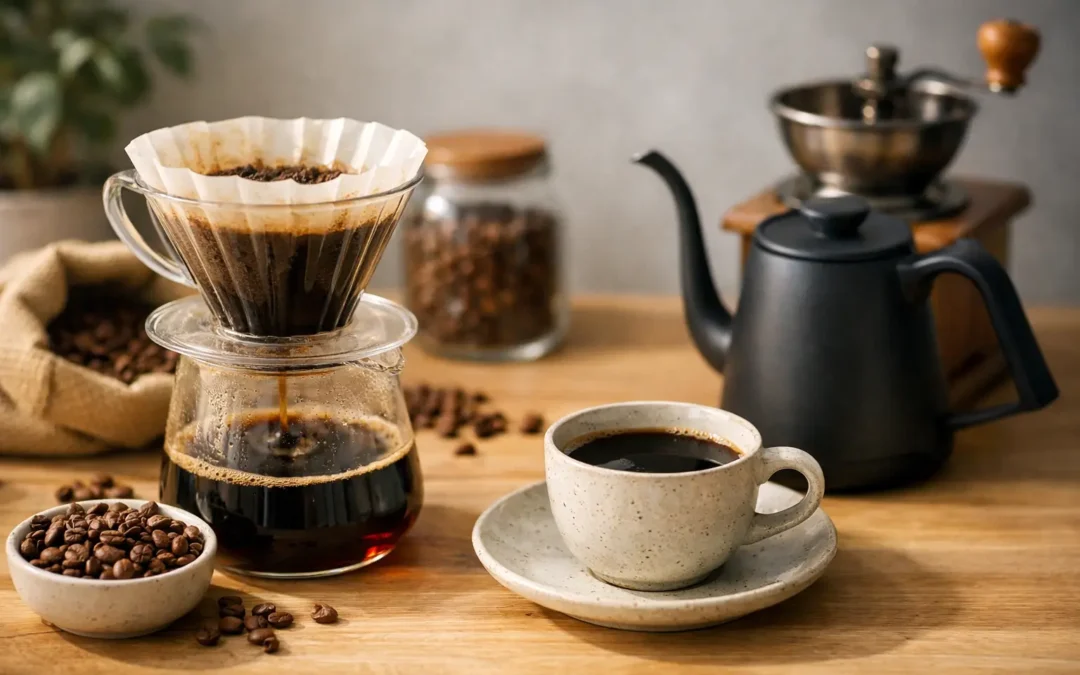
A single origin can taste like ripe stone fruit, toffee, jasmine or dark chocolate – but only when the brewing lets that character come through. Learning how to brew single origin coffee is less about chasing a complicated café ritual and more about giving a carefully grown, freshly roasted bean the attention it deserves. A few measured changes can turn a flat, sour cup into something sweet, clear and genuinely memorable.
Single origin coffee comes from one country, region, farm or even a specific lot. Unlike a blend, which is designed for balance and consistency, it often has a more distinct personality. That personality can be spectacular, but it also means the coffee may be less forgiving if the grind, water or recipe is off. The good news is that once you understand what you are tasting, adjustments become simple.
Start with freshness, not fancy gear
Fresh beans make the biggest difference before a kettle is even switched on. Look for coffee with a clear roast date and give it a little time to rest after roasting. Most single origins begin to settle beautifully between about seven and 21 days after roasting, though the ideal window varies with the coffee and roast style.
Buy whole beans where possible and grind just before brewing. Pre-ground coffee loses aroma quickly, particularly the delicate florals and fruit notes that make many single origins so enjoyable. A burr grinder is worth prioritising over a more elaborate brewer because it produces more even particles. Even grinding means more even extraction, which means a cleaner, sweeter cup.
You do not need a bench full of equipment. A reliable scale, a clean brewer, fresh filtered water, a grinder and a kettle will take you a long way. If you use tap water, pay attention to its taste. Water that carries a strong chlorine flavour, heavy mineral edge or odd aftertaste will show up in the cup.
How to brew single origin with a pour-over
Pour-over brewing is a brilliant place to begin because it highlights clarity and separates flavour notes beautifully. A washed Ethiopian might show lemon, tea-like florals and peach. A Colombian coffee may offer caramel and red apple. A natural-process coffee can bring generous berry sweetness, although it may need a little more care to avoid becoming heavy or boozy.
Start with this dependable recipe for a one-cup pour-over:
- 15 grams of coffee
- 250 grams of water
- Water just off the boil, around 93 to 96°C
- A medium-fine grind, similar to fine sand
- A total brew time of roughly 2:45 to 3:30
Rinse the paper filter thoroughly with hot water, then discard the rinse water. This warms the brewer and removes any papery taste. Add your ground coffee, place the brewer on the scale and gently level the bed.
Pour around 45 grams of water over the grounds and let the coffee bloom for 30 to 45 seconds. This first pour releases trapped carbon dioxide and helps water reach the coffee evenly. Fresh coffee may puff up impressively here. That is a good sign, but do not judge freshness by bloom alone.
After the bloom, pour slowly in steady circles until you reach 250 grams. Keep the water level controlled rather than filling the brewer to the brim. Aim for a gentle, even flow and avoid aggressively striking the paper filter, which can send water around the coffee instead of through it. A small swirl near the end helps flatten the bed and reduce dry pockets.
When the final drops have passed through, give the coffee a gentle swirl in the server or mug before tasting. The first sip may be too hot to read properly. Let it cool for a few minutes. Single origin coffee often reveals more sweetness, structure and detail as the temperature falls.
Use your palate to make better adjustments
A recipe is a starting point, not a rulebook. Coffee changes with roast age, variety, processing method and even the weather in your kitchen. Instead of changing everything at once, identify the main issue and make one small adjustment for the next brew.
If your cup tastes sharp, thin, salty or underdeveloped, it is likely under-extracted. The water has not drawn enough sweetness and depth from the grounds. Grind a touch finer, increase the water temperature slightly or extend the brew time. Start with the grind first, moving only a small step finer.
If the coffee tastes dry, bitter, hollow or overly intense, it may be over-extracted. Try a slightly coarser grind, a lower water temperature or a quicker pour. Do not assume bitterness means the roast is dark. A light single origin can taste bitter too when brewed too slowly or too finely.
Sometimes the cup is not bad, just not to your taste. If the coffee is delicious but too punchy, add a small splash of hot water after brewing. If it feels too light, use a little more coffee. Moving from a 1:16.5 ratio to a 1:15 ratio, for example, creates a fuller cup without changing the extraction dramatically.
Match the method to the coffee you enjoy
Pour-over is not the only way to enjoy single origin coffee. The best method depends on whether you want maximum clarity, richer texture or a quick and easy morning routine.
A plunger produces a fuller-bodied cup with more oils and weight. Use a coarse grind, 18 grams of coffee to 300 grams of water, and steep for about four minutes before plunging slowly. It suits chocolatey, nutty and fruit-forward coffees, though very delicate florals can feel less defined than they do in a filter brew.
An AeroPress is excellent for experimentation and weekday convenience. It can deliver a bright, clean cup or a shorter, more concentrated brew depending on the recipe. Begin with 15 grams of coffee and 220 grams of water at about 90 to 94°C. Steep for one to two minutes, then press gently. If the plunger feels difficult to push, your grind is probably too fine.
Espresso can be exceptional with single origins, but it asks for precision. The same coffee that tastes like berries and milk chocolate as a filter can become intensely acidic or unusually savoury under pressure. Begin with a ratio around 1:2, such as 18 grams in and 36 grams out, with a shot time around 25 to 32 seconds. Taste before reaching for the milk. Some single origins shine as a straight espresso, while others become their best, sweetest selves in a flat white.
Let processing guide your approach
The label can offer useful clues before you brew. Washed coffees are typically clean and articulate, often with citrus, floral or tea-like notes. They usually reward a precise pour-over recipe and a slightly hotter brew temperature.
Natural and anaerobic coffees can be more fruit-driven, syrupy and expressive. Brew them too aggressively and their fermentation character can dominate. A slightly cooler temperature or a coarser grind can help preserve their sweetness without pushing them into jammy heaviness.
Honey-process coffees often sit between the two, bringing sweetness and body alongside pleasing clarity. They are wonderfully versatile across filter and espresso. These are tendencies, not fixed rules. The coffee in your bag is always the final authority.
Keep your routine clean and consistent
Coffee oils build up quickly in grinders, plungers and reusable filters. Those stale oils can mute the bright work a good single origin is doing. Rinse equipment after every brew and clean it properly on a regular schedule, especially if you switch between darker blends and lighter single origins.
Consistency matters more than perfection. Use the same scale, note your recipe and change one variable at a time. A simple note such as “too tart, grind finer tomorrow” is enough to build confidence quickly. Before long, you will recognise the difference between a coffee that needs more extraction and one that simply has lively acidity by design.
A thoughtfully brewed single origin makes an ordinary morning feel more considered. Choose fresh beans, start with a dependable recipe and follow the flavour rather than the numbers alone. At LygonCoffee, that curiosity is part of the pleasure: every cup is a chance to taste where the coffee has come from, one careful brew at a time.