
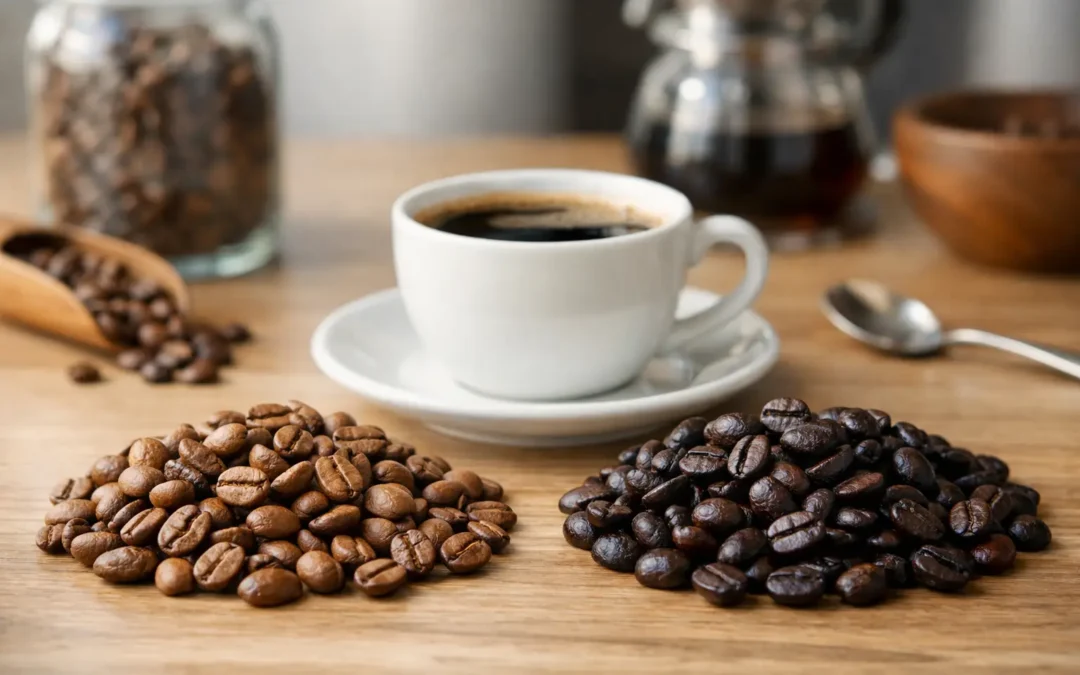
A coffee that makes you pull a face after the first sip is rarely what anyone had in mind when they filled the kettle or fired up the machine. If you are asking which roast tastes less bitter, the short answer is usually a well-developed light-to-medium or medium roast. But roast level is only part of the story. The bean, the freshness and the way it is brewed can turn a promising bag into either a sweet, satisfying ritual or a harsh cup.
For coffee drinkers who want café-quality flavour at home or in the workplace, the goal is not simply to avoid bitterness. It is to find a coffee with sweetness, body and enough character to keep each cup interesting.
Which roast tastes less bitter?
In most cases, medium roast coffee tastes less bitter than dark roast coffee. Medium roasting preserves more of the bean’s natural sweetness while developing familiar notes such as caramel, chocolate, toasted nuts and soft fruit. It tends to offer a rounded, approachable cup that works beautifully as black coffee and still holds its own through milk.
Dark roasts spend longer in the roaster, so the flavours created by the roasting process become more dominant. That can bring richness, smoky depth and a heavier body, but it can also introduce the bitter edge many people are trying to avoid. A dark roast is not automatically bad or burnt, particularly when it has been roasted with care. It simply has less room for the origin character of the bean to shine.
Light roasts can also be less bitter than dark roasts, though they are not always perceived as smoother. Their brightness and acidity can taste sharp, tangy or citrus-like, especially for people used to classic espresso. A light roast may taste wonderfully sweet and lively as filter coffee, while seeming underwhelming or sour when brewed as a rushed espresso.
For the broadest crowd-pleasing result, medium roast is often the sweet spot.
Roast level changes flavour, not just colour
Coffee starts as a green seed with sugars, acids and aromatic compounds locked inside. Roasting transforms those compounds. As the roast progresses, acidity generally softens, sugars caramelise and the coffee develops more body. Push it further, and roast-driven flavours can begin to overtake the bean’s own flavours.
That is why a pale-looking coffee is not automatically delicate, and a very dark bean is not automatically stronger in caffeine. What you taste comes down to roast development and brewing balance.
Light roast: bright, complex and sometimes misunderstood
Light roast coffees generally retain more distinct origin notes. Depending on the bean and process, you might taste stone fruit, berries, florals, citrus or tea-like sweetness. When brewed well, they can be clean and surprisingly sweet with very little bitterness.
The trade-off is that light roasts need care. Water that is too cool, a grind that is too coarse or a brew that runs too quickly can leave the cup sour and thin. That sharpness is often mistaken for bitterness, but they are different sensations. Bitterness sits more towards the back of the tongue and lingers; acidity feels brighter, sharper and often more mouth-watering.
Medium roast: balanced and forgiving
Medium roasts are a dependable choice for households, offices and busy mornings. They usually bring together the natural flavour of the bean with enough roast development for a fuller texture and easy sweetness. Think milk chocolate, brown sugar, roasted hazelnut and mellow fruit rather than heavy smoke or char.
They are also versatile. A good medium roast can produce a delicious long black, a balanced flat white or a smooth batch brew. If several people are sharing one bag of beans, this is often the safest place to start.
Dark roast: bold, full-bodied and more roast-forward
Dark roasts can be deeply satisfying for people who enjoy intense, traditional coffee flavours. They often create a thick crema in espresso and stand up strongly in a large milk drink. The potential downside is bitterness, particularly if the coffee is brewed too hot, ground too finely or left sitting on a warmer.
If you enjoy dark chocolate and a powerful espresso, a carefully roasted darker coffee may still be your favourite. If you are specifically chasing a gentler cup, choose a medium roast first.
Why a medium roast can still taste bitter
Buying a less bitter roast helps, but a bitter cup is often a brewing problem rather than a bean problem. Coffee becomes unpleasantly bitter when too much is extracted from the grounds. This happens when water has too much contact with the coffee or pulls flavour too aggressively.
A grind that is too fine is a common culprit. Water moves slowly through tightly packed fine grounds and extracts more of the dry, bitter compounds. Try adjusting one step coarser before deciding a coffee is not for you.
Water temperature matters too. For most brewing methods, water just off the boil is a reliable starting point. If your coffee consistently tastes harsh, use slightly cooler water, especially with darker roasts. A clean brewer and fresh filter also make a noticeable difference. Old coffee oils cling to equipment and can lend a stale, bitter taste to an otherwise beautiful bean.
Freshness matters at both ends. Freshly roasted beans need time to settle after roasting, then they are at their best when stored airtight, away from heat and light. Freshly ground coffee is just as valuable. Whole beans hold their aroma far better than pre-ground coffee, so grinding immediately before brewing gives you more sweetness and less flatness in the cup.
Choose the right coffee for how you drink it
The least bitter roast for you depends on the drink you make most often. A coffee that sings as a pour-over may not be the one you want before an early meeting with a splash of milk.
For black coffee, look for a light-to-medium or medium roast with tasting notes such as caramel, chocolate, honey, stone fruit or nuts. These descriptions are useful clues, not added flavours. They indicate the natural characteristics a skilled roaster has brought forward.
For milk coffee, medium roasts are often ideal because their sweetness and body remain present after milk is added. If you prefer a large latte, avoid choosing solely on the basis of a delicate floral description. A more rounded chocolate or toffee profile is likely to feel fuller and smoother.
For espresso, balance is especially important. Espresso is concentrated, so every quality of the coffee is amplified. A medium roast designed for espresso can provide sweetness, crema and enough structure without the blunt bitterness of an overly dark roast. This is why blends are often a smart choice: they are built for consistency and a satisfying everyday cup.
At LygonCoffee, that balance is central to the idea of coffee as a daily ritual worth upgrading. A thoughtfully roasted blend should be easy to enjoy at home, in the office or served fresh from a mobile café, not a challenge to get through.
A simple way to make your coffee taste smoother
Before changing every variable at once, make one small adjustment and taste the difference. Start with a medium roast, use fresh whole beans and grind them just before brewing. If the coffee tastes bitter and drying, grind a little coarser or shorten the brew time. If it tastes sour, weak or sharply acidic, grind slightly finer or extend the contact time.
For a plunger, avoid leaving the coffee sitting on the grounds after it has brewed. Decant it into a thermal server or pour it into cups. For espresso, watch the flow: a slow, drippy shot is often over-extracted, while a pale shot that races through may be under-extracted. For pod machines, bitterness can come from running too much water through one capsule, so choose the recommended volume rather than stretching it into an oversized cup.
Milk can soften bitterness, but it should not have to rescue the coffee. If your flat white only works with extra sugar, it is worth reassessing the roast, recipe or bean freshness.
The best starting point for a less bitter cup
Choose a freshly roasted medium coffee with flavour notes you already enjoy in food – chocolate, caramel, nougat or roasted nuts are excellent starting points. Brew it with clean equipment, fresh water and a sensible grind, then adjust slowly. The right coffee should leave a pleasant sweetness on the palate and make the next sip feel like an easy decision.
Try it fresh. Our OmniSoul blend is roasted in small batches in Adelaide, with delivery included Australia-wide and 10% off when you subscribe. Visit the shop.