
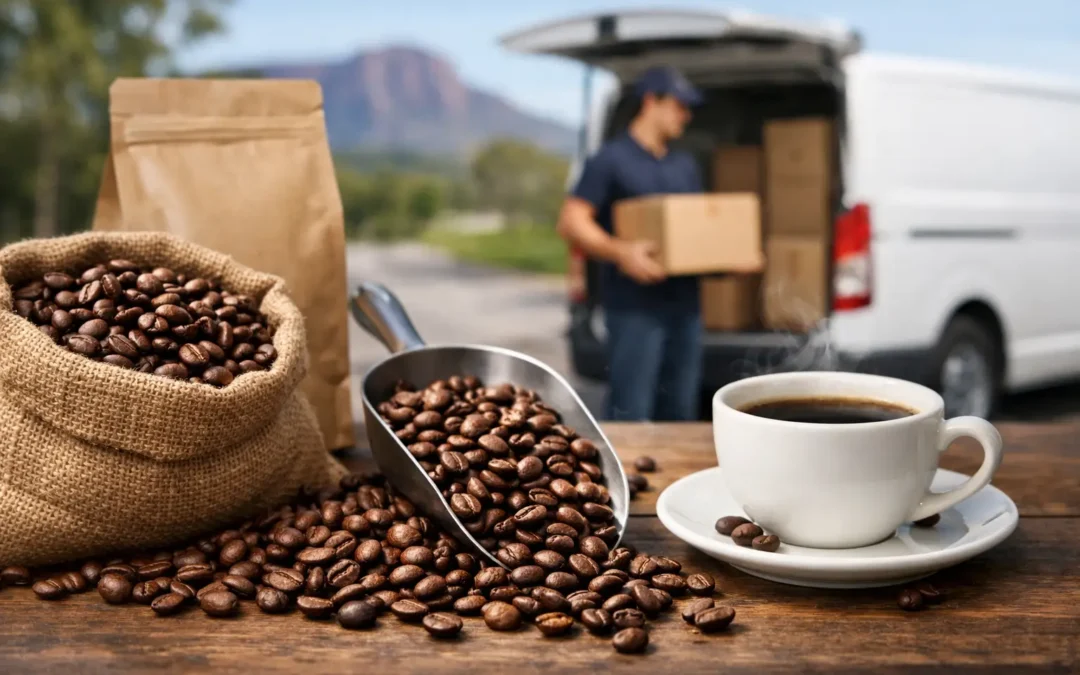
The difference between a good morning coffee and a genuinely memorable one is often hiding in the bag. With coffee bean delivery Australia-wide, it is easy to order beans from almost anywhere. The harder part is choosing coffee that arrives fresh, suits your brew method and makes every cup worth the few quiet minutes it takes to prepare.
For home brewers, busy offices and anyone tired of settling for stale supermarket coffee, delivered specialty beans make café-quality ritual far more accessible. But convenience should never mean guessing what you are buying. Here is what to look for before you fill your cart.
Why fresh coffee beans make the biggest difference
Roasting transforms a green coffee seed into the fragrant, flavour-packed bean you know and love. From that point, the clock starts ticking. Freshly roasted coffee releases carbon dioxide over the first several days, then gradually loses its aromatic complexity as oxygen, heat and moisture take their toll.
That does not mean coffee must be brewed the moment it leaves the roaster. In fact, many beans taste their best after a short resting period, particularly espresso roasts. It does mean that a roast date is more useful than a vague best-before date. A supplier that roasts in small batches and sends beans promptly gives you a much better chance of tasting the coffee as the roaster intended: lively, balanced and full of character.
Freshness shows up differently in every cup. You may notice a sweeter aroma when you open the bag, richer crema from an espresso machine, or more defined notes of chocolate, fruit, caramel or toasted nuts in a filter brew. The result is not always louder flavour. Often, it is cleaner flavour – a coffee that tastes deliberate rather than flat or dusty.
Choosing coffee bean delivery in Australia
Australia is a big place, and delivery time matters. A carefully roasted coffee still needs sensible packing and dispatch to travel well. When comparing coffee bean delivery Australia options, start with the practical details: roast dates, dispatch timing, bag size and whether the beans are supplied whole or pre-ground.
Whole beans are the strongest choice for most people. Grinding immediately before brewing preserves more aroma and gives you control over extraction. If you do need ground coffee, choose a supplier that lets you nominate your brew method. Espresso, stovetop, filter, plunger and cold brew all call for different grind sizes, and the wrong one can make excellent beans taste sour, weak or bitter.
Bag size deserves more thought than it gets. A 250 g bag is a smart place to start if you drink one or two coffees a day, enjoy trying different origins or are still fine-tuning your grinder. A 1 kg bag can offer better value for a workplace or a high-volume household, but only if it will be used within a reasonable window. Buying more coffee than you can enjoy while it is fresh is not a bargain.
Delivery frequency is equally personal. Some people prefer a regular order so the cupboard never runs dry. Others like to order when they are ready to explore a new blend. There is no single right rhythm, just a useful rule: buy enough to keep your routine flowing, without building a stockpile.
Look for clear coffee information
A good coffee description should help you picture the cup before you brew it. Tasting notes are not a promise that your coffee will taste exactly like a bowl of blueberries or a block of dark chocolate. They are useful signposts for the flavours a roaster has found in the bean.
For an easy daily espresso, a blend with chocolate, caramel and nutty notes is often a reliable choice. It tends to stay balanced through milk and gives you a comforting, full-bodied cup. For black coffee drinkers, a single origin or lighter, fruit-forward roast can be an exciting change of pace, especially through filter, AeroPress or pour-over brewing.
Also check whether the roaster explains the coffee’s intended style. Some coffees are developed for silky milk drinks, while others shine as bright, delicate black brews. Neither is better. The right choice depends on what is in your cup most mornings.
Match the bean to your daily ritual
The best delivered coffee is not necessarily the most unusual coffee. It is the one you look forward to making again tomorrow.
If your kitchen runs on flat whites, cappuccinos or long blacks from an espresso machine, choose beans with enough sweetness and body to remain present after extraction. Medium to medium-dark blends are often forgiving as you adjust your dose and grind. They can offer a plush mouthfeel, a rich finish and the dependable flavour people want before a full workday begins.
For plunger coffee, grind slightly coarser and give the brew time to settle. A balanced blend works beautifully here, but this method also brings out the round, syrupy side of many single origins. Filter brewers usually reward a lighter hand. Cleaner coffees with citrus, stone fruit or floral notes can feel especially refreshing, though they require attention to water temperature, pouring and grind consistency.
Stovetop coffee sits somewhere in between. It can produce a bold, concentrated brew, but it is easy to over-extract. A medium roast with chocolate-led notes is often a safe and satisfying starting point. Keep the heat low, remove the pot once the flow turns pale and avoid letting it sputter on the stove.
At LygonCoffee, blends such as OmniSoul are created for the kind of coffee people actually want to drink every day: expressive enough to feel special, yet balanced enough to return to cup after cup.
Keep delivered beans at their best
Once your beans arrive, storage is simple. Leave them in their resealable bag if it has a one-way valve, press excess air out after each use and keep the bag in a cool, dark cupboard. Heat, sunlight and air are the real enemies.
Avoid transferring coffee into a clear jar on the bench, no matter how good it looks. It exposes the beans to light and often more air than necessary. The fridge is not ideal either, as coffee can absorb surrounding odours and encounter moisture when moved in and out. Freezing can work for larger quantities that you will not open for some time, provided the beans are tightly sealed in small portions. For everyday use, a cupboard is the better option.
Your grinder matters too. Even great beans cannot compensate for an inconsistent grind. Burr grinders produce more even particles than blade grinders, helping water move through the coffee at a steadier rate. This gives you more sweetness and clarity, with less of the harshness that can make a cup feel disappointing.
Make your first bag count
A few small choices will help you get more from every delivery:
- Order whole beans and grind immediately before brewing where possible.
- Begin with a 250 g bag if you are testing a new roast or brew method.
- Use filtered water if your tap water has a strong mineral or chlorine taste.
- Adjust only one variable at a time – grind, dose or brew time – when dialling in your coffee.
This last point saves a lot of frustration. If you change everything at once, you will not know what improved the cup. A finer grind generally slows extraction and can add body, while a coarser grind speeds it up. If an espresso runs too quickly and tastes thin or sharp, try grinding finer. If it drips painfully slowly and tastes dry or bitter, go a little coarser.
Coffee does not have to become a science project, but a little curiosity pays off. Keep the routine enjoyable. Notice how the aroma changes when you open a fresh bag, how the crema sits on your espresso, and which flavour notes come through when you slow down long enough to taste them.
The right coffee delivery should do more than replenish your shelf. It should give your weekday mornings, office breaks and slow weekend brews a reliable source of freshness – one satisfying cup at a time.