
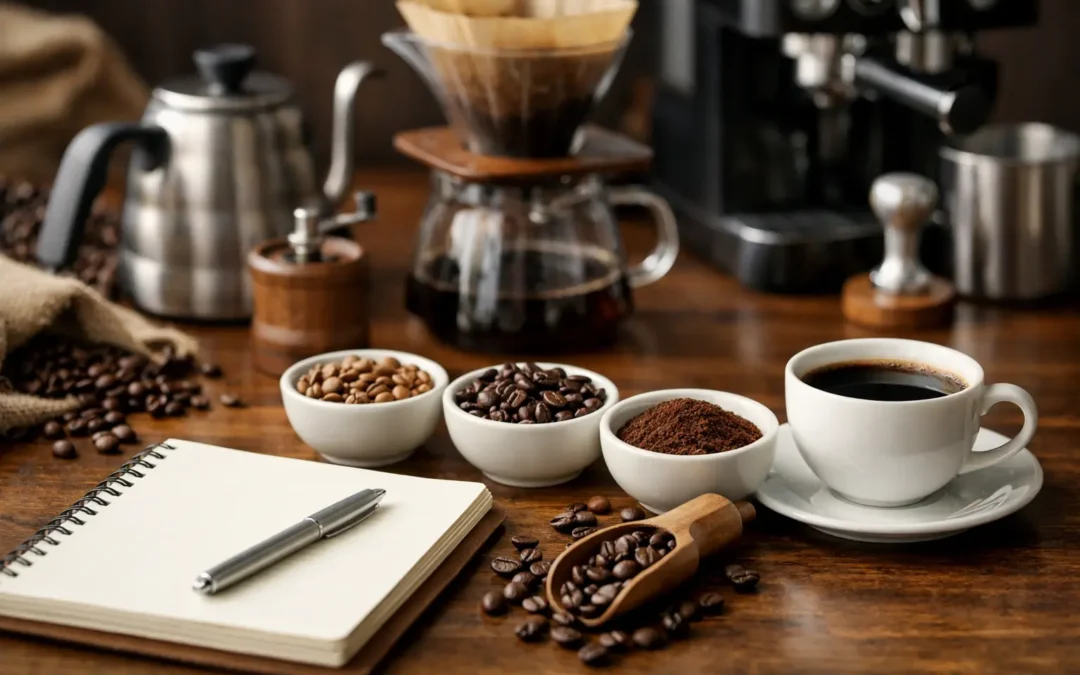
The first good coffee you make at home rarely arrives because you bought the most expensive gear. It happens when a few small choices line up: fresh beans, the right grind, clean water and a brew method you understand. That is the real purpose of coffee education for beginners – not turning your morning ritual into homework, but helping every cup taste more like the café coffee you look forward to.
Coffee can sound wonderfully complicated, with talk of processing, extraction and tasting notes. Start simpler. Learn what changes flavour most, make one adjustment at a time, and pay attention to what you enjoy. A chocolatey, full-bodied flat white is just as valid a favourite as a bright, juicy filter coffee.
Start with the bean, not the gadget
Coffee begins as the seed of a coffee cherry, usually grown in warm regions at different altitudes and in different soils. Those conditions shape the flavour before roasting even begins. After harvest, the fruit is removed, the beans are dried, shipped as green coffee and roasted into the fragrant brown beans we know.
You will often see two broad species mentioned: arabica and robusta. Arabica is widely used in specialty coffee because it can offer layered sweetness, fruit, florals and acidity. Robusta generally has more caffeine and a stronger, earthier profile. Neither label tells the whole story, but it helps explain why coffees can taste so different before milk, sugar or syrups enter the picture.
For a beginner, the useful question is not, “Which bean is objectively best?” It is, “What flavour do I want in my cup?” If you mostly drink milk coffee, look for tasting notes such as chocolate, caramel, nuts or toffee. These flavours tend to stay present through milk and create a comforting, rounded cup. If you drink black coffee, try a coffee with notes of berries, citrus, stone fruit or tea-like florals. It may taste brighter and more delicate.
Blends and single origins both deserve a place on the shelf. A blend combines coffees to create a reliable, balanced profile, often designed to perform beautifully in espresso and milk. A single origin comes from one country, region, farm or lot, and can show a more distinctive seasonal character. Choose a blend when you want consistency; choose a single origin when you feel like exploring.
Freshness is flavour in coffee education for beginners
Roasting transforms green coffee into something soluble, aromatic and ready to brew. It also starts a clock. Freshly roasted beans release carbon dioxide after roasting, particularly in the first few days, then gradually lose their vibrant aromatics over the weeks that follow.
That does not mean coffee must be used the minute it lands at your door. In fact, espresso often benefits from a short resting period after roasting. But it does mean a roast date is more helpful than a distant best-before date. Buy an amount you can comfortably finish within a few weeks, rather than a giant bag that sits open in the pantry for months.
Store beans in an airtight container, away from heat, sunlight and moisture. A cool cupboard is usually ideal. Avoid keeping your everyday coffee in the fridge, where odours and condensation can interfere with flavour. Freezing can work for longer storage when beans are well sealed in small portions, but it is not necessary for the bag you are currently enjoying.
Pre-ground coffee is convenient, but whole beans hold their character longer. Grinding just before brewing is one of the clearest upgrades a home coffee drinker can make. It is also where many frustrating cups are won or lost.
Grind size controls how your coffee tastes
Water needs time and surface area to draw flavour from coffee. A finer grind has more surface area, so it extracts more quickly. A coarser grind extracts more slowly. Match the grind to the method, then use taste as your guide.
Espresso needs a fine grind because water passes through quickly under pressure. Pour-over methods usually need a medium-fine grind. Plunger coffee works best with a coarse grind, while stovetop brewing often sits between espresso and filter. These are starting points, not fixed rules. Every grinder and coffee behaves slightly differently.
When a coffee tastes sharply sour, thin or underdeveloped, it may be under-extracted. Try grinding a little finer, increasing the brew time or using slightly hotter water. When it tastes harsh, dry, bitter or hollow, it may be over-extracted. Try a slightly coarser grind, a shorter brew or less contact time.
Only change one variable at a time. If you alter the dose, grind, water temperature and timing together, you will not know what improved the cup. Coffee rewards calm repetition more than frantic tinkering.
Pick one brew method and get comfortable
You do not need an elaborate home bar to make excellent coffee. Choose the method that suits your routine and the style you like drinking.
A plunger is forgiving, affordable and great for a fuller-bodied black coffee. Add coarsely ground coffee, pour in hot water just off the boil, stir gently, wait around four minutes, then press slowly. Decant the coffee once it is brewed so it does not continue extracting over the grounds.
A pour-over brewer gives a clean, articulate cup and makes subtle flavours easier to notice. It asks for a little more attention: wet the filter, add medium-fine grounds, bloom them with a small amount of water for about 30 seconds, then pour steadily in circles. A scale helps, but you can begin with a consistent scoop-and-water approach and refine it from there.
An espresso machine is ideal if flat whites, long blacks and cappuccinos are part of your daily ritual. It has a steeper learning curve because grind size, dose, distribution and milk texturing all matter. The reward is café-style coffee without leaving home. For many households, a quality grinder matters as much as the machine itself.
A stovetop maker produces a strong, intense coffee that works well with a dash of hot water or warm milk. Keep the heat moderate and remove it from the stove once the flow becomes pale and sputtery. High heat can push bitterness into an otherwise rich brew.
Water, ratios and temperature make a quiet difference
Coffee is mostly water, so unpleasant tap water will show up in the cup. If your water tastes heavily chlorinated or mineral-heavy, filtered water can make a noticeable improvement. You do not need laboratory-perfect water to start, just water you would happily drink on its own.
A dependable filter starting ratio is around 60 grams of coffee per litre of water. At home, that is roughly 15 grams of coffee to 250 millilitres of water. Prefer a stronger cup? Use a little more coffee before making the grind dramatically finer. For plunger coffee, a similar ratio is a sensible place to begin.
For most black coffee methods, water just off the boil works well. Very light roasts can benefit from hotter water, while darker roasts may taste smoother with water that has rested a little longer after boiling. Again, taste decides. Numbers are useful only when they help you repeat a cup you enjoyed.
Learn to taste without taking it too seriously
Tasting notes are comparisons, not added ingredients. A bag labelled with cocoa, roasted almond and brown sugar has not been flavoured like a dessert. It is describing aromas and sensations that the coffee naturally brings to mind.
Start by taking a sip before adding milk or sugar. Notice three things: sweetness, acidity and body. Sweetness can feel like caramel, ripe fruit or malt. Acidity is the lively, mouth-watering quality that can resemble citrus or berries, not necessarily unpleasant sourness. Body is the texture or weight of the drink, from light and tea-like to creamy and syrupy.
Then add milk if that is how you enjoy it. Milk changes the experience by softening acidity and emphasising chocolatey, nutty or caramel-like notes. There is no prize for drinking coffee black. The point is to understand what you are tasting, then build a ritual you genuinely want to repeat.
A simple first-month coffee routine
Keep your learning focused. Buy one freshly roasted coffee and brew it the same way for several mornings. Make a note of the dose, water amount and grind setting. If it tastes great, you have a dependable baseline. If it tastes off, adjust the grind slightly and try again the next day.
In week two, change only the ratio and compare a stronger cup with a lighter one. In week three, try the same beans with milk and black to see what changes. By week four, bring home a different roast profile or origin and compare it with your first coffee. This is how your preferences become clearer without wasting beans.
At LygonCoffee, we believe fresh roasting should make coffee feel more approachable, not more exclusive. Whether you are making a quick pre-work plunger or dialling in espresso for weekend guests, the best coffee is the cup that brings a little more care and pleasure to the moment.
Keep your equipment clean, trust your palate and stay curious. One fresh bag, one reliable method and a few thoughtful adjustments are enough to turn an everyday caffeine fix into a coffee ritual worth savouring.
Try it fresh. Our OmniSoul blend is roasted in small batches in Adelaide, with delivery included Australia-wide and 10% off when you subscribe. Visit the shop.