
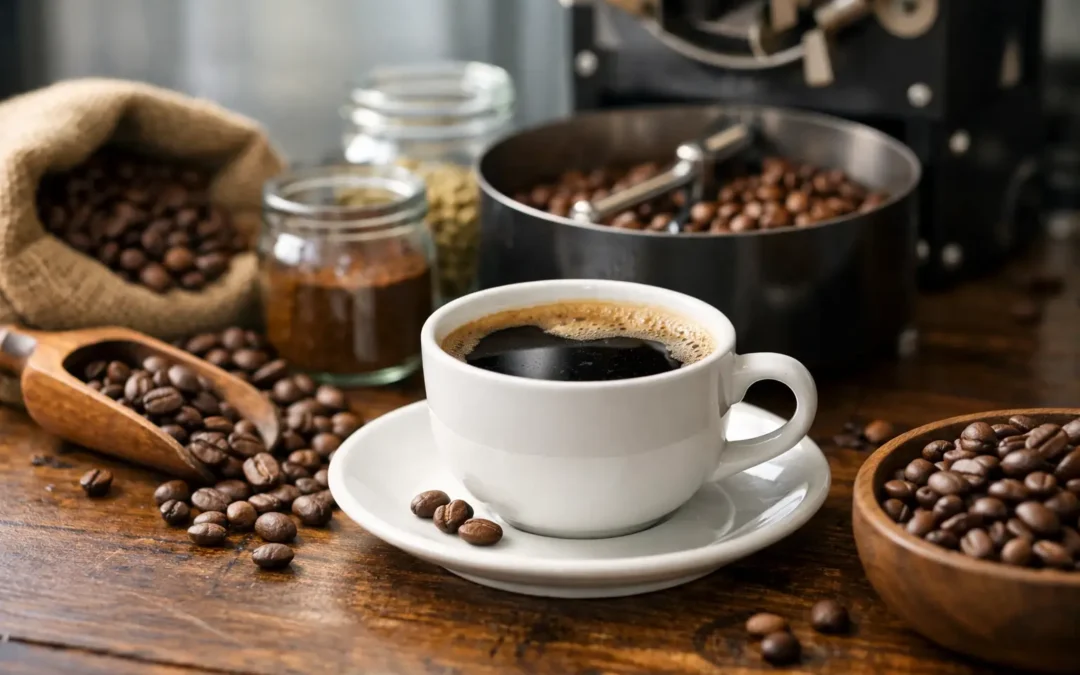
You can taste the difference before you can always explain it. The aroma is clearer, the sweetness lands first, and the finish lingers instead of falling flat. That is the appeal of small batch coffee – not as a buzzword, but as a smarter way to roast for freshness, flavour and consistency.
For anyone buying beans for home, stocking an office kitchen or planning coffee for an event, that difference matters. Great coffee is not just about origin or brew method. Roasting has a huge say in what ends up in the cup, and smaller roasting volumes give roasters more control over how each bean develops.
What small batch coffee actually means
Small batch coffee usually refers to coffee roasted in limited quantities rather than in massive industrial runs. There is no single universal number that defines it, but the principle stays the same – smaller loads allow closer attention to temperature, airflow, timing and bean behaviour throughout the roast.
That matters because coffee is not a uniform ingredient. Different origins, processing methods and bean densities respond differently to heat. A washed Ethiopian coffee will not roast the same way as a natural Brazil, and a seasonal blend needs a different touch again. When the batch is manageable, the roaster can adjust for those variables instead of forcing every coffee through the same broad profile.
The result is not automatically better just because the batch is small. Skill still matters. But when experienced roasters work in small batches, they have a better chance of bringing out sweetness, balance and clarity without scorching delicate notes or flattening the character of the bean.
Why small batch coffee gives roasters more control
Roasting is a balancing act between science and feel. The roaster tracks bean temperature, rate of rise, airflow and development time, but they also watch colour, smell the changes and listen for the first crack. In a smaller roast, those signals are easier to read and respond to.
If a coffee is taking on heat too quickly, the roaster can ease back before bitterness creeps in. If it needs a little more development to build body and caramel sweetness, they can stretch that stage with more precision. In larger production runs, adjustments can be slower and the margin for error grows with scale.
That extra control shows up in the cup. You are more likely to taste distinct fruit, chocolate, nuts or florals rather than a generic roast flavour. For milk-based coffee, that can mean a richer, cleaner espresso that still cuts through milk without tasting burnt. For black coffee, it often means more structure and a more expressive finish.
Freshness is not a marketing extra
One of the biggest advantages of small batch coffee is that it tends to move through the cycle more quickly. Roasters producing in smaller volumes are often roasting more frequently, which means beans can reach customers closer to their ideal drinking window.
Fresh coffee is not just coffee roasted yesterday. Beans need a short rest after roasting to degas, and the sweet spot depends on the style of coffee and how you brew it. But there is a world of difference between coffee roasted to order or in regular small runs and coffee that has been sitting in a warehouse for months.
As coffee ages, aromatics fade. The cup can taste dull, papery or one-dimensional. Crema becomes less lively. Filter brews lose sparkle. If you care about flavour, freshness is not negotiable, and small batch roasting supports that far better than bulk production built around long shelf life.
Small batch coffee and consistency are not opposites
Some people hear small batch and assume it means charming but unpredictable. In reality, the best small batch roasting can be incredibly consistent because every roast gets close attention.
Consistency is especially important for offices and events. If you are serving a team every morning or hundreds of guests over a few hours, you want coffee that tastes reliably excellent from one cup to the next. That does not come from cutting corners. It comes from repeatable roast profiles, careful cupping and ongoing adjustments as coffees change with season and storage.
There is a practical trade-off here. Large-scale roasting can produce consistency through sheer standardisation, but that often comes at the cost of character. Small batch roasting aims for both – dependable quality and a cup with personality. When it is done properly, you do not have to choose between them.
What to expect in the cup
The most noticeable difference with small batch coffee is usually flavour definition. Instead of tasting only roast, you start to notice layers. A blend might show cocoa, toffee and roasted almond, while a single origin could lean into stone fruit, citrus or soft florals.
Texture can improve too. Espresso often feels silkier and more balanced, with sweetness carrying through the palate rather than dropping away after the first sip. Milk coffee benefits because a well-developed roast keeps its identity in flat whites and cappuccinos without turning harsh.
That said, flavour preference is personal. Some drinkers genuinely prefer a darker, more traditional roast profile. Small batch does not mean every coffee is light and bright. It means the roast is deliberate. A darker style can still be thoughtful, balanced and fresh rather than smoky for the sake of it.
Why it matters beyond the home kitchen
For home brewers, small batch coffee means you can get more out of your gear, whether you are using an espresso machine, AeroPress, pour over or plunger. Better beans make brewing easier because they respond more predictably and reward small adjustments.
For workplaces, it lifts the daily coffee ritual. Freshly roasted beans can turn a standard office setup into something your team actually looks forward to. It is a simple upgrade that feels generous without becoming complicated.
For events, coffee quality becomes part of the guest experience. When beans are roasted with care, every cup feels considered, and people notice. It changes the role of coffee from a basic add-on to something that adds warmth, polish and a sense of occasion. That is one reason businesses like LygonCoffee pair small-batch roasting with mobile service – the quality starts with the bean and carries all the way through to the final pour.
How to choose great small batch coffee
Not every bag labelled small batch will deliver. The better question is what the roaster actually does with that smaller scale.
Look for freshness details, a clear roast date and some guidance on flavour or brew style. Pay attention to whether the coffee tastes clean and intentional rather than simply strong. Good roasters also tend to have a clear point of view. They know why a blend is built a certain way, how it performs in milk, and when a single origin is at its best.
It also helps to buy from roasters who rotate seasonally and roast regularly. That usually signals active quality control rather than set-and-forget production. If you are ordering for an office or event, reliability matters just as much as flavour, so service and consistency should be part of the equation.
The real trade-off with small batch coffee
There is one honest trade-off: small batch coffee can cost more. Smaller production runs, higher attention to detail and fresher turnover are not the cheapest way to roast. But the value is usually clear once you taste it.
You are paying for better sourcing decisions, more precise roasting and a fresher cup. You are also less likely to waste coffee that disappoints. For businesses, there is another layer to that value. Better coffee changes how people experience your workplace, activation or event. It creates a stronger impression than generic beans ever will.
The point is not that every cup needs to become a tasting exercise. It is that your everyday coffee can be far more enjoyable when the roasting is done with care.
Small batch coffee earns its place because it respects the bean and the person drinking it. You get freshness that shows up in the aroma, flavour that feels more alive, and a cup with real intention behind it. Once you get used to that standard, ordinary coffee starts to feel exactly that – ordinary.
Try it fresh. Our OmniSoul blend is roasted in small batches in Adelaide, with delivery included Australia-wide and 10% off when you subscribe. Visit the shop.