
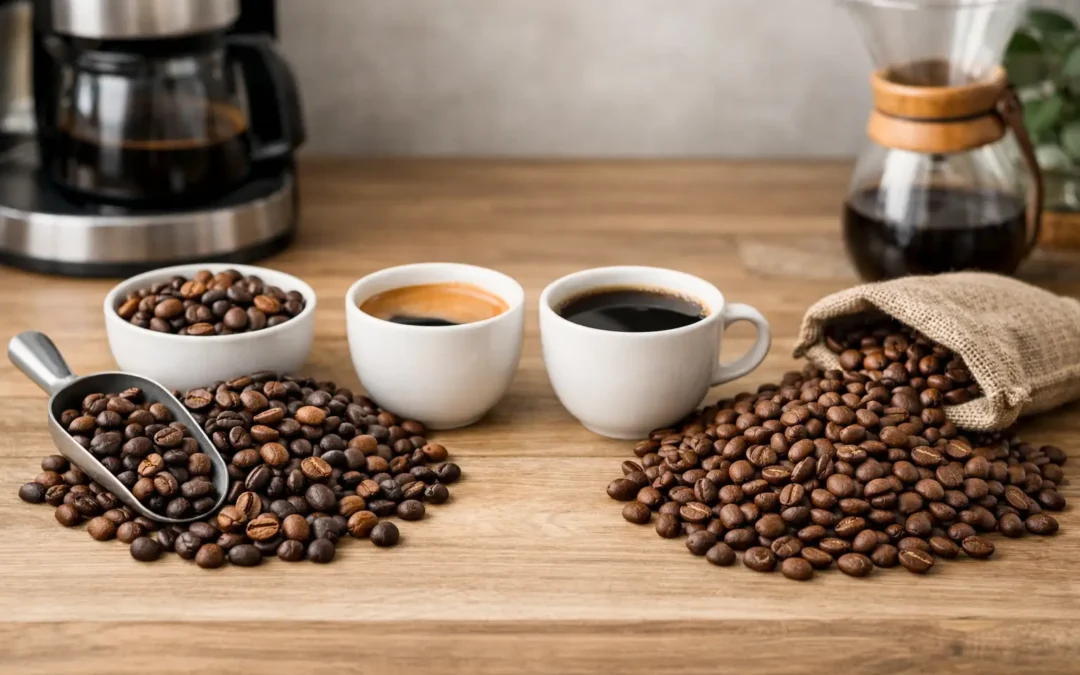
You taste it straight away when the grinder kicks on. One coffee hits with chocolate, caramel and a smooth finish that feels made for your morning flat white. Another is brighter, lighter, maybe bursting with citrus or berries, and suddenly the whole cup feels more vivid. That is the real conversation behind blends vs single origins – not which one is more premium, but which one gives you the drinking experience you actually want.
In speciality coffee, both have a place. If you buy beans for home, stock the office kitchen, or need coffee that lands well with a crowd at an event, understanding the difference helps you choose with more confidence. The best option depends on how you brew, what flavours you enjoy, and whether you value consistency, variety, or a bit of both.
Blends vs single origins: the real difference
A single origin coffee comes from one producer, farm, co-op, or region, depending on how the roaster presents it. The point is traceability and character. You are tasting something with a more specific identity – the climate, altitude, variety and processing all have a clearer voice in the cup.
A blend combines coffees from different origins to create a particular flavour profile. That profile might be rich and chocolatey, bright and lively, or designed to cut beautifully through milk. Blending is not about hiding coffee. Done well, it is a craft in itself. A roaster is building balance, texture and consistency with intention.
That distinction matters because people often assume single origins are automatically superior. They are not. They are simply different. A great single origin can be incredibly expressive. A great blend can be more complete, more versatile and, in plenty of cases, more enjoyable day after day.
Why blends are often the go-to for everyday coffee
If your daily coffee is milk-based, there is a reason blends are so popular. They are usually built to perform reliably as espresso and hold their flavour through milk. That means more body, more sweetness, and a finish that still tastes like coffee rather than disappearing into dairy or alt milk.
A well-built blend tends to be approachable. Think cocoa, roasted nuts, caramel, maybe some ripe fruit in the background. Those flavours are familiar and satisfying, which is exactly what many people want from a morning brew. For offices and events, that matters even more. When you are serving a broad mix of tastes, a blend often wins because it pleases more people more often.
Consistency is another big advantage. Coffee is seasonal, and single origins naturally change throughout the year. Blends give roasters room to maintain a stable flavour profile even as components shift. If you fall in love with a certain cup and want it to taste recognisable next month, a blend makes that easier.
That does not mean every blend tastes the same. Far from it. Some are deep and syrupy. Others are cleaner and more modern. The best ones are carefully roasted and thoughtfully composed, not generic.
What single origins do brilliantly
Single origins shine when you want to taste place. They can be layered, surprising and memorable in a way blends sometimes are not trying to be. A washed Ethiopian might bring florals and stone fruit. A Colombian lot could show red apple, panela and soft citrus. A natural from Rwanda may lean jammy and bright.
For black coffee drinkers, that clarity can be the whole appeal. Filter brewing especially tends to highlight the delicate notes that make single origins exciting. If you enjoy slowing down with a V60, batch brew or AeroPress, single origin coffees can turn a routine cup into something more like a tasting experience.
They are also ideal for people who love coffee education. If you want to understand how origin, process and variety shape flavour, single origins teach you more directly. Each bag has a stronger point of view.
The trade-off is that some single origins are less forgiving. They may taste amazing when dialled in well, but sharper or thinner if your grind, water or extraction is off. They can also be more polarising. What thrills one coffee lover might feel too bright, too floral or too unusual for someone who just wants a dependable latte.
Blends vs single origins for espresso, milk and black coffee
This is where the decision gets practical.
For espresso, both can work beautifully, but they behave differently. Blends are often developed for sweetness, crema and balance. They give you a rounder, more dependable shot, particularly if you are pulling coffee on a home machine before work and do not want a science project at 6.30 am.
Single origins as espresso can be stunning, but they are usually more expressive and less predictable. One shot might burst with mandarin and toffee. Another might lean tart if the extraction is slightly off. That is exciting for some drinkers and frustrating for others.
For milk-based drinks, blends tend to have the edge. Their body and chocolate-driven flavour profile usually stand up better in flat whites, cappuccinos and lattes. Single origins can still work in milk, but subtle fruit and floral notes often get lost or become awkward depending on the coffee.
For black coffee, single origins often come into their own. Their detail is easier to notice without milk. That said, a beautifully balanced blend can still make a superb long black or filter if it has enough complexity and sweetness.
Which one is better for home, office or events?
If you are buying for home, the right choice depends on your ritual. If you want a reliable bag that works across espresso, stovetop or milk drinks, a blend is usually the safer bet. If you enjoy experimenting and like tasting new coffees throughout the year, single origins keep things interesting.
In an office setting, blends make a lot of sense. Different people take their coffee different ways, and not everyone wants something bright or challenging. A blend gives the team a smoother, more crowd-friendly cup with less fuss.
For events, the same logic often applies. When coffee is part of the guest experience, consistency matters. You want something that tastes excellent from the first cup to the last and works across a full menu. That is one reason many hospitality-focused roasters lean on signature blends for service, while offering single origins for customers who want to explore at home.
Price, freshness and the quality question
People often ask whether single origins cost more because they are better. Sometimes they cost more because they are rarer, more labour-intensive, or sourced from small lots with standout characteristics. That can absolutely translate to quality, but price alone is not the point.
A blend can be exceptional coffee. It still relies on quality green beans, skilled roasting and thoughtful profiling. In fact, blending well is a sign of expertise. You are not just roasting one coffee nicely. You are creating harmony between multiple coffees so the final cup feels complete.
Freshness matters just as much as format. Whether you choose a blend or single origin, freshly roasted coffee will usually do more for flavour than the label on the bag. Better aroma, better sweetness, better overall life in the cup. That is what people actually notice.
How to choose without overthinking it
Start with how you drink coffee most often. If your answer is flat white, latte or cappuccino, a blend is probably where you should begin. If you drink black and enjoy noticing flavour detail, try a single origin.
Then think about what you value most. If it is consistency, versatility and easy everyday enjoyment, choose a blend. If it is discovery, seasonality and a more distinct flavour story, choose a single origin.
You do not have to pick a side forever, either. Plenty of coffee drinkers keep both on hand – a dependable blend for the weekday rush and a single origin for slower weekend brews. That is often the sweet spot.
At LygonCoffee, we see this play out all the time. Some customers want their go-to espresso to be rich, smooth and dependable every morning. Others want a rotating coffee that shows off the quirks and beauty of a specific origin. Both are good instincts. Both can lead to a genuinely great cup.
The smartest choice is the one that fits your routine and tastes so well that you look forward to making it again tomorrow.
Ready to explore? Browse LygonCoffee’s single origin coffees, roasted in small batches in Adelaide with delivery included Australia-wide.