
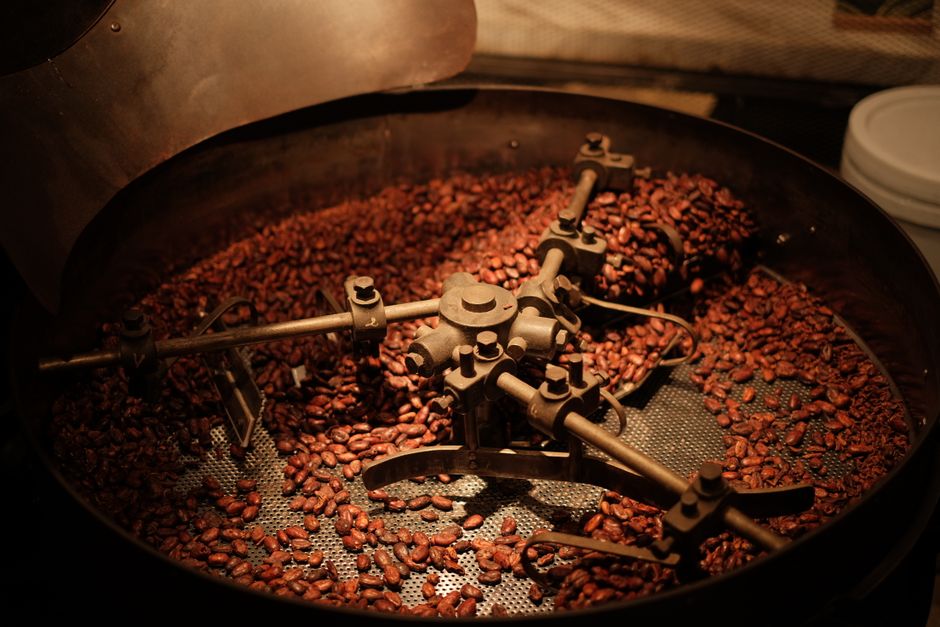
An omni roast is a single batch of coffee roasted to work across more than one brewing method. Instead of roasting one lot for espresso and a separate lot for filter, the roaster builds one profile that performs well in both, and often in cold brew too. The name comes from the Latin omni, meaning all, which is the whole idea in one word: one coffee, roasted for all purposes.
That sounds simple enough, and in many ways it is. But there is real debate among roasters about whether a single profile can genuinely be excellent everywhere, or whether it is simply good enough in a few places. Understanding where an omni roast sits, and what it is designed to do, helps you decide whether it belongs in your kitchen, your office or your café.
What an omni roast actually is
An omni roast is a roast developed to work across espresso and filter without the roaster running separate profiles for each. Rather than pushing a coffee towards the sharp, soluble extremes that suit one brew method, the roaster aims for a middle ground.
In practice, it is a profile that sits somewhere in between the filter profile and the espresso profile. The roaster is not chasing the brightest possible filter cup or the heaviest possible espresso shot. They are looking for a roast level and development curve that lets the same beans taste balanced whether you pull them through a machine or steep them in a paper filter.
It is still one roast. That point matters, because you will sometimes hear the word used for a blend of two different roast levels rather than a single middle of the road profile.
Where the name comes from
The name simply means all. It is a roast designed for all purposes, or at least for as many brewing methods as one bag can reasonably cover.
That is a useful way to think about it. A filter roast is built for filter. An espresso roast is built for espresso. An omni roast is built for the person who owns one grinder, keeps one bag on the bench, and wants a decent cup whether they feel like a flat white or a pour over that morning.

Where it sits on the roast spectrum
Roast profiles sit on a spectrum from light to dark, and an omni roast usually lands somewhere in the middle of it. Lighter roasts tend to hold more of the coffee’s origin character, acidity and fruit. Darker roasts tend to move towards chocolate, caramel and roast driven sweetness, with less acidity.
Because an omni roast has to serve two very different brew methods, it generally avoids the far ends of that spectrum. Push too light and the espresso shot can taste thin and sharp. Push too dark and the filter brew can taste flat and ashy. The middle ground gives the roaster room to satisfy both.
That does not mean every omni roast tastes the same. A roaster can build one lighter or darker depending on the beans and the audience. A medium omni roast is the most common approach because it is the easiest to make work in both directions.
Why roasters build a single omni profile
The appeal is largely practical, and it applies to almost everyone in the chain from roaster to drinker.
- A café can keep one hopper loaded for espresso and still offer the same coffee as a batch brew or filter option.
- A home drinker with one grinder does not need to buy two bags to enjoy two brew methods.
- Subscriptions and gifting become simpler, because one bag covers whatever equipment the recipient owns.
- Offices and workplaces can serve espresso drinks and filter coffee from the same beans, which keeps ordering and storage straightforward.
- Mobile coffee setups and events can carry less stock without narrowing the menu.
There is also a quality argument. Roasting one profile well, consistently, is easier to control than running two separate profiles across the same green coffee. Fewer variables usually means more repeatable results.
The trade-offs: is an omni roast a compromise?
This is where opinions split. The case against an omni roast is that a dedicated profile will always beat a shared one. If you roast specifically for espresso, you can tune development for pressure and resistance. If you roast specifically for filter, you can tune for clarity and extraction in a gentler brew. A single profile cannot optimise for both at once, so it makes a compromise somewhere in the middle.
The argument goes further for some coffee drinkers, who insist a true omni roast is not a single middle profile at all, but a blend of a lighter roast and a darker one. Others disagree entirely and treat the single profile as the whole point of the style.
What both sides agree on is that an omni roast asks you to accept very good in two places rather than best in one. For plenty of drinkers that trade is worth making. For someone chasing the peak expression of a single origin in a pour over, it may not be.
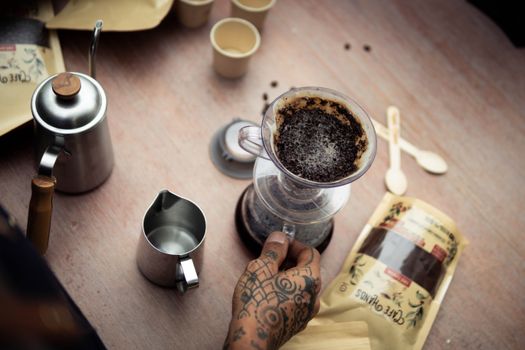
How to brew an omni roast well
Because the roast is designed to bend in both directions, the brewing side does a lot of the work. A few adjustments get you much closer to a cup you are happy with.
- Dial in your espresso first. Change the grind before you change anything else, then adjust dose and yield to balance sweetness against acidity.
- For filter, expect to adjust your ratio and grind slightly compared with a dedicated filter roast. A little coarser or finer often settles the cup.
- For cold brew, use the same beans and let the longer, cooler extraction pull out the chocolate and nutty notes that sit in the middle of the roast.
- Keep notes. If you drink the same omni roast for a few weeks, a simple record of what you changed saves you repeating the same experiments.
The upside is that you only need to learn one coffee. The trade-off is that you may need to work a little harder on each method to get the best from it.
Who an omni roast suits best
An omni roast makes the most sense for anyone who wants variety without buying two bags. That includes home espresso owners with a single grinder, households where one person drinks long blacks and another drinks filter, workplaces that serve a mix of drinks, and event or mobile setups where bench space and stock are limited.
It also suits anyone new to specialty coffee. Learning one coffee across two brew methods teaches you far more about grind, ratio and extraction than jumping between bags you do not know yet.
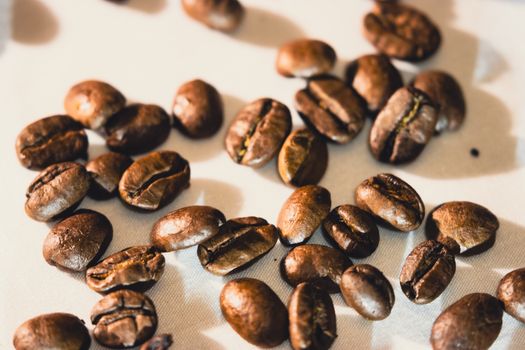
Omni roast coffee from LygonCoffee
LygonCoffee roasts its own OmniSoul signature blend in Adelaide. It combines beans from Brazil and Colombia in a medium omni roast, with chocolate and nutty notes and one roast built to work across espresso, filter and cold brew. If you are curious about how an omni roast performs in your own setup, it is a straightforward place to start. Delivery is free Australia-wide on orders over $78, and Subscribe & Save takes 10 per cent off.
The same roasting approach sits behind the other things we do. Cafés, hotels and coffee van operators can talk to us about wholesale beans and custom blends, while offices wanting fresh beans delivered alongside a machine can set up an office coffee option. If you are still choosing equipment, our home espresso machines and grinders page covers home setups.
Ready to try one coffee for espresso, filter and cold brew? Order the OmniSoul blend and see for yourself.
Frequently Asked Questions
Is an omni roast the same as a medium roast?
Not exactly. Medium describes a roast level, while omni describes the job the roast is meant to do. Most omni roasts land in the medium range, though a roaster could go lighter or darker if the beans suited it.
Can you use an omni roast for cold brew?
Yes. Cold brew is a natural fit, and you avoid buying a separate bag just for summer.
Why do some people say to avoid an omni roast?
The criticism is that a single profile cannot be the absolute best at both espresso and filter. That is a fair point if you brew only one way, but it matters far less if you want one bag to cover several methods.
Do you need different grind settings for an omni roast?
Yes, always. Espresso and filter need different grind sizes regardless of the roast, so you will still dial in separately for each method. The omni roast simply means the same beans can be used for both, and your adjustments tend to be smaller than they would be with a roast pushed hard towards one end of the spectrum.
Is an omni roast a good choice for a café or office?
It often is. One coffee that works as espresso and as batch brew or filter keeps hoppers, stock and staff training simple. Cafés that want something tailored can also look at wholesale beans and custom blends.
The short version is that an omni roast is a practical answer to a common problem: too many brew methods and not enough bench space. It will not win every argument against a dedicated espresso or filter profile, but for most homes, offices and events it delivers a balanced, versatile cup from a single bag of beans, which is exactly what the name promises.