
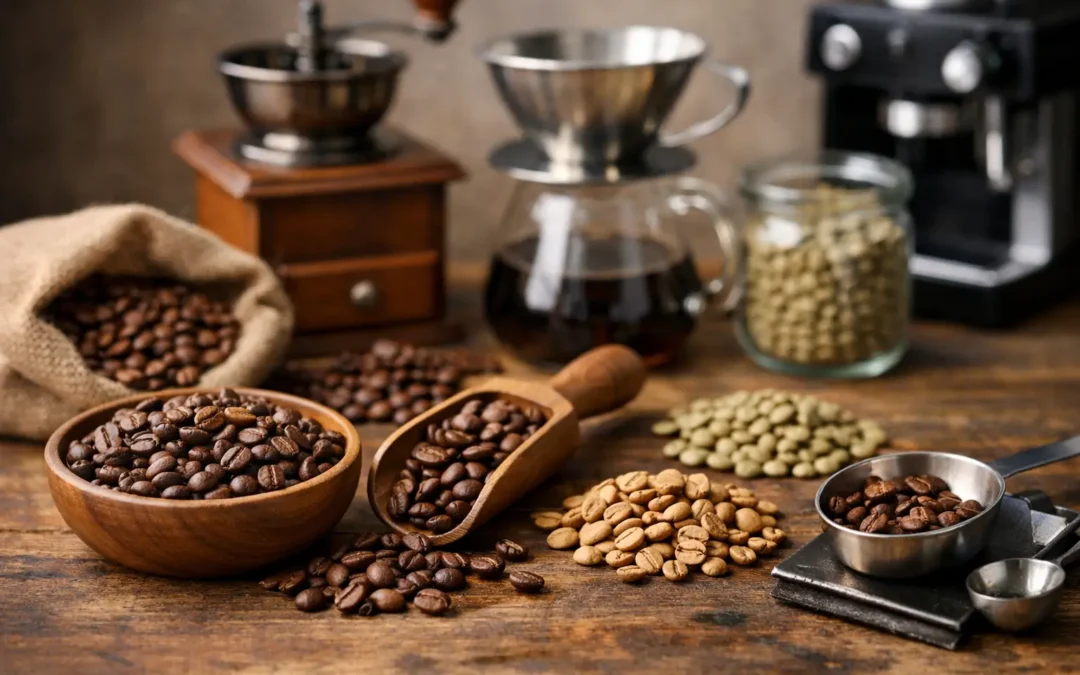
A great bag of coffee can make a weekday morning feel considered rather than rushed. But with tasting notes, processing methods, roast labels and origin stories competing for attention, choosing beans can become harder than making the coffee itself. This speciality coffee bean buying guide cuts through the noise, so you can buy with confidence and enjoy every cup more.
Start with the way you actually make coffee
The best bean is not the one with the most elaborate flavour description. It is the one that tastes brilliant through the equipment you use, at the time you drink it, made in a way you can repeat without fuss.
For espresso machines, look for coffees with enough sweetness and body to stay balanced when brewed under pressure. A well-developed medium roast is often a dependable place to start, especially if you enjoy milk-based coffee. Think chocolate, caramel, roasted nuts or ripe stone fruit rather than flavours that disappear behind milk.
For filter, pour-over, plunger or batch brew, you have more room to explore lighter and more delicate profiles. Beans described with citrus, florals, berries, tea-like texture or tropical fruit can be spectacular here. These methods allow clarity to shine, but they also reveal uneven grinding, stale coffee and sloppy brewing more quickly.
Stovetop coffee sits somewhere in between. It often suits a coffee with sweetness, moderate acidity and enough body to feel satisfying without becoming harsh. If you are using a pod machine or an automatic office machine, a more forgiving medium roast will generally deliver a better result than an ultra-light, highly complex coffee.
There is no rule saying espresso beans cannot be used for filter, or vice versa. The label is a useful starting point, not a boundary. Your taste and brewing habits matter more.
Make freshness your first non-negotiable
Coffee is an agricultural product, not a pantry item built to last forever. Roasting unlocks the fragrant oils and flavours we love, but it also starts the clock. A clear roast date tells you a roaster is focused on freshness rather than vague best-before messaging.
For most home brewers, coffee often tastes its best from around one to two weeks after roasting and remains enjoyable for several weeks after that. Espresso can benefit from a little extra resting time because freshly roasted beans release more gas, which can make shots difficult to dial in. Filter coffee may be ready slightly sooner, depending on the roast and processing method.
That does not mean you need to panic-buy tiny bags every few days. Buy an amount you can comfortably finish within three to five weeks of opening. For many households, a 250 g bag is ideal for trying something new; a 500 g or 1 kg bag makes sense once you know it suits your daily cup.
Store beans in their sealed valve bag or an airtight container, away from heat, direct light and moisture. The cupboard is better than the bench next to the kettle. Avoid the fridge, where coffee can absorb odours and encounter condensation. Freezing can work for larger unopened portions, but only if they are well sealed and allowed to return to room temperature before opening.
Read tasting notes as a flavour direction
Tasting notes are one of the joys of speciality coffee, but they are often misunderstood. If a bag says blueberry, mandarin or brown sugar, the coffee has not been flavoured. Those words describe natural sensory impressions created by variety, growing conditions, processing, roasting and brewing.
Use the notes as a guide to the experience you may enjoy. If you love classic café-style coffee, choose descriptions such as cocoa, toffee, hazelnut, nougat and dried fruit. If you want brightness without too much intensity, look for red apple, stone fruit, honey or milk chocolate. If your taste leans adventurous, consider beans with berry, pineapple, jasmine, fermented fruit or sparkling acidity in the description.
Acidity deserves a better reputation than it sometimes gets. In good coffee, acidity is not sourness. It is the lively quality that makes a washed Ethiopian coffee feel like citrus tea or gives a carefully roasted Colombian coffee a juicy apple-like lift. Sourness, by contrast, can point to under-extraction, underdevelopment during roasting, or a coffee profile that simply does not suit your palate.
Body is equally personal. Some drinkers want a syrupy, weighty espresso that holds its own in a flat white. Others prefer a clean, delicate cup that feels light and layered. Neither is more sophisticated. They are different kinds of pleasure.
Choose roast level with a little caution
Roast labels are useful but inconsistent between roasters. One brand’s medium roast can taste darker than another’s dark roast, so use the roast level alongside the flavour description and intended brewing method.
Lighter roasts tend to preserve more origin character. They can be vibrant, aromatic and complex, though they often need careful grinding and extraction to avoid tasting sharp. Medium roasts offer a balance of origin character and developed sweetness, making them a strong all-round option for homes and workplaces with varied preferences.
Darker roasts lean towards deeper caramelisation, lower perceived acidity and heavier body. They can be delicious in milk drinks or stovetop brews, but roasting too far can obscure the character of the bean with bitterness and smoky flavours. Dark is not automatically stronger, either. Caffeine differences are minor by weight. What feels strong is usually a combination of roast flavour, concentration and how much coffee is used.
When buying for a shared office kitchen, a versatile medium roast blend is often the smart move. It is approachable for regular long blacks, works beautifully with milk, and is less likely to divide the room than an intensely floral single origin.
Blends and single origins have different jobs
A single-origin coffee comes from one country, region, farm or cooperative, depending on the level of detail provided. These coffees can offer a distinct seasonal character and are a wonderful way to taste how place shapes flavour. They are ideal when you want to experiment, brew filter coffee, or turn your morning ritual into a small moment of discovery.
Blends combine coffees selected to create a consistent, balanced flavour profile. They are not a lesser option. A thoughtful blend can bring together body, sweetness and brightness in a way that performs reliably every day, particularly for espresso and milk-based drinks.
If consistency matters most, choose a blend. If variety is part of the fun, add a single origin to your order. Many keen home brewers keep both: a familiar house coffee for busy mornings and something more expressive for a slower weekend brew.
Look beyond the label for signs of care
Speciality coffee is about more than attractive packaging. Look for practical information that helps you understand what is in the bag: roast date, origin, processing method, flavour profile and a brewing recommendation. The more clearly a roaster communicates, the easier it is to choose well and adjust your brew when needed.
Processing method can offer useful clues. Washed coffees are often clean, crisp and transparent, with a clear expression of origin. Natural or dry-processed coffees can be fruit-forward, rich and sometimes wine-like. Honey-processed coffees often sit in the middle, pairing sweetness and texture with a lively finish. These are tendencies, not guarantees, but they can help you find patterns in what you enjoy.
It is also worth buying from a roaster that treats quality as an ongoing practice. Fresh small-batch roasting, careful sourcing and a willingness to explain the coffee all make a difference. At LygonCoffee, the aim is simple: bring café-quality beans into the daily ritual, whether that is a considered home espresso or a much-needed first cup at work.
Buy whole beans, then improve the grind
If you can, buy whole beans and grind just before brewing. Grinding dramatically increases the coffee’s surface area, allowing aromas to escape quickly. Pre-ground coffee is convenient, and it may be the right call for a hectic office or holiday house, but whole beans will give you more flavour and control.
Your grinder matters more than most people expect. A burr grinder produces more even particles than a blade grinder, which means a more balanced extraction and less bitterness or sourness in the cup. You do not need the most expensive machine on the market, but a consistent grinder is one of the most worthwhile upgrades a coffee lover can make.
Match the grind to your method. Espresso needs a fine grind, filter usually needs medium-fine, plunger needs coarse, and stovetop sits between espresso and filter. Change one thing at a time when adjusting. If your coffee tastes thin or sour, grind finer or extend the brew slightly. If it tastes dry, bitter or harsh, grind coarser or shorten the brew.
Give yourself permission to learn by drinking
The most useful buying habit is keeping track of what you genuinely enjoyed. Notice whether you preferred the chocolatey blend in your morning flat white, the bright washed coffee as a long black, or the jammy natural process brewed over ice. A quick note on your mobile is enough.
Coffee preferences change with the season, your brewing equipment and even what you have eaten. Start with fresh beans suited to your favourite brew method, then let curiosity do the rest. The next bag is not a test of your coffee knowledge. It is another chance to find a cup you look forward to making.
Try it fresh. Our OmniSoul blend is roasted in small batches in Adelaide, with delivery included Australia-wide and 10% off when you subscribe. Visit the shop.