
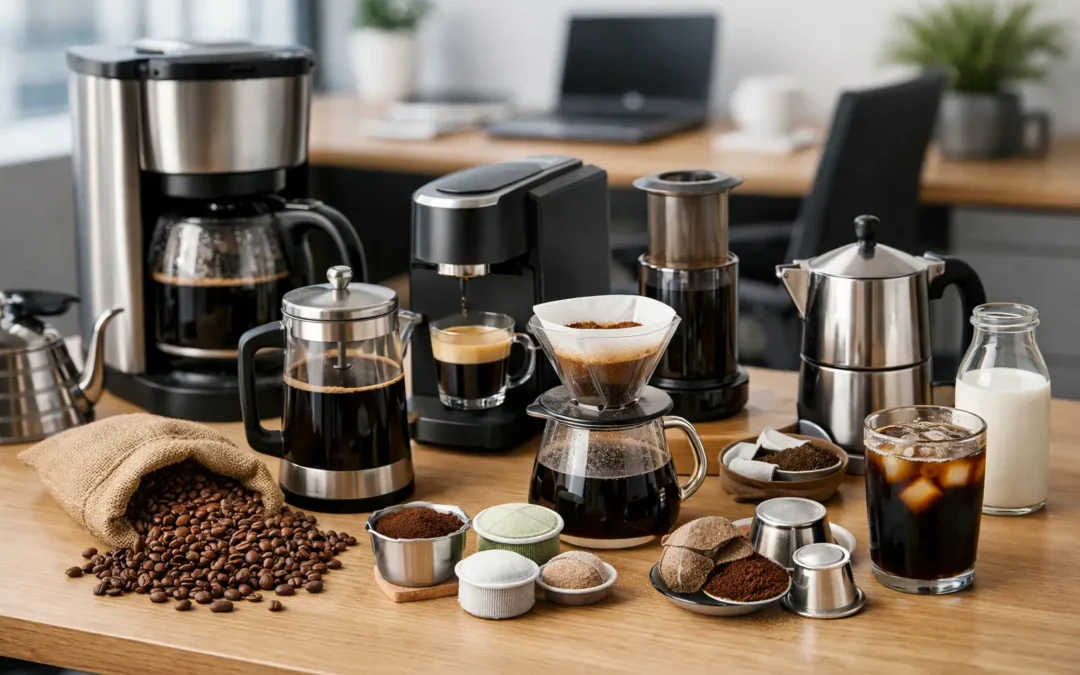
The first sign your office has outgrown pods is usually the bin. By 10 am, it is already filling with little plastic or aluminium shells, and somehow the coffee still tastes flat. If you are searching for coffee pod alternatives office teams will genuinely look forward to, the good news is you do not need to choose between convenience and quality.
Pods became popular for a reason. They are tidy, familiar and quick. But they also lock you into one style of coffee, one style of machine and often a pretty average cup. For offices that care about staff experience, client hospitality and the daily ritual of a proper brew, there are better ways to do it.
Why offices start looking beyond pods
Most workplaces do not switch away from pods because of one dramatic problem. It is usually a build-up of small frustrations. The flavour is inconsistent. The machine needs more maintenance than expected. The cost per cup starts looking steep when the team grows. Someone always orders the wrong pods. And if you have clients coming through, a pod coffee rarely feels like a great reflection of your brand.
That matters more than many businesses realise. Coffee in the workplace is not just fuel. It is part of how people start the day, take a breather, connect with colleagues and welcome visitors. A better coffee setup can lift morale in a very practical, everyday way.
The best coffee pod alternatives office teams actually use
There is no single perfect replacement. The right setup depends on your headcount, budget, bench space, appetite for maintenance and how serious your team is about coffee. Here are the strongest options and where each one shines.
Bean-to-cup machines
If your office wants the closest thing to a café-style workflow without hiring a barista, a bean-to-cup machine is often the most obvious step up. These machines grind fresh beans for each cup and usually offer espresso-based drinks at the touch of a button.
The biggest win is freshness. Whole beans hold their character far better than pre-packed pods, so the cup has more aroma, more body and more life. For busy offices, that can be enough to change the whole feel of the kitchen.
The trade-off is cost and care. A decent bean-to-cup machine is a larger upfront investment, and it needs regular cleaning to stay reliable. If no one in the office takes ownership, performance can drop quickly. It works best in workplaces that want convenience but are ready to treat coffee as part of operations, not just an appliance on the bench.
Batch brew or filter coffee
For larger teams, batch brew is one of the most underrated office coffee options around. It is simple, consistent and ideal when lots of people drink black coffee or want a reliable morning pour without queueing for one machine.
Done well, filter coffee is smooth, clean and full of flavour. It also scales beautifully. Instead of making one small pod coffee at a time, you brew a full batch that is ready to pour. That is a very different experience in a busy office where everyone arrives at once.
This option is less suited if your team strongly prefers milk-based drinks like flat whites and cappuccinos. But if the office culture leans toward long blacks, batch brew can be affordable, low-waste and genuinely enjoyable.
Plunger or French press
The plunger is one of the simplest coffee pod alternatives for office kitchens that want better flavour without a major spend. It requires good ground coffee, hot water and a few extra minutes, but the payoff is a richer, fuller cup than most pods can deliver.
It also invites a more thoughtful coffee break. That may sound small, but in some workplaces that is part of the appeal. Making a plunger can feel more communal and less transactional than feeding another capsule into a machine.
Of course, it is not for everyone. It is manual, there is more mess, and consistency depends on whoever is making it. For a very fast-paced office, that can become a drawback. For a smaller team that values flavour and simplicity, it can be a great fit.
Pour over setups
Pour over coffee is often seen as a home brewing method, but in the right office it makes a lot of sense. It is compact, low-waste and capable of producing an excellent cup with clarity and balance.
This is usually better for smaller workplaces, creative studios or leadership spaces where quality matters more than speed. It is also a good option for offices that want to showcase premium beans and enjoy the ritual as much as the drink itself.
The downside is obvious. Pour over is hands-on. It takes attention, and it is not ideal when ten people all want coffee right now. But as a secondary setup for meeting rooms or client-facing spaces, it can add a polished touch.
Traditional espresso machine with fresh beans
For some offices, the answer is not a compromise. It is a proper espresso machine with freshly roasted beans and a setup that lets people make coffee worth talking about. If your workplace already has a few coffee enthusiasts, this can become part of the culture very quickly.
The upside is quality and flexibility. You can dial in the coffee, steam milk properly and serve drinks that feel considered rather than automatic. The experience is miles away from pods.
The catch is skill. Espresso is not just push-button coffee. Someone has to know how to use the machine, clean it and troubleshoot it. Without that, even expensive equipment can produce disappointing results. This path suits offices that genuinely want café-quality coffee and are willing to put in a little more effort to get it.
When a machine is not the best answer
Sometimes the smartest move is no office machine at all. If your team wants premium coffee but does not want the hassle of servicing equipment, ordering supplies, training staff or dealing with breakdowns, a mobile coffee service can make more sense.
This is especially true for staff appreciation days, client events, campaign activations, launches and larger workplace gatherings. Instead of asking the office kitchen to suddenly perform like a café, you bring the café to the office. Guests get barista-made coffee, the team gets a better experience, and nobody is left scrubbing milk jugs at the end.
That is where a service-led model really stands out. A mobile setup delivers quality, speed and hospitality in one hit. For businesses in Adelaide, that can be a more flexible way to create a standout coffee experience without locking into another machine purchase.
Cost, waste and quality – what changes when you leave pods behind
Pods often look economical because the purchase feels controlled. One pod, one cup. But over time, the numbers can tell a different story. Cost per cup is usually higher than brewing with fresh beans, especially once your team grows beyond a handful of people.
Waste is another factor. Even recyclable pods require effort to process properly, and in many offices that simply does not happen consistently. Brewing with beans and grounds generally creates less packaging waste and gives you more flexibility in how much coffee you prepare.
Then there is quality. Freshly roasted beans offer something pods struggle to match – aroma that actually fills the room, flavour that has texture and sweetness, and variety that goes beyond a narrow machine-compatible range. Every sip feels more alive. For many offices, that is the real turning point.
How to choose the right office coffee setup
Start with behaviour, not equipment. How many people drink coffee each day? What do they actually order? Is this mainly for staff, clients or both? Does anyone want to learn a machine, or does the office need something foolproof?
A small team might be perfectly happy with a plunger and fresh beans. A medium office with steady demand may get better value from a bean-to-cup machine. A workplace that hosts regular events may need a different answer altogether, with mobile barista service covering the moments that matter most.
Fresh coffee supply is just as important as the hardware. Even the best machine cannot rescue stale beans. If you are upgrading from pods, this is the moment to think about roast freshness, bean quality and whether your supplier can keep things consistent.
For businesses that want a practical middle ground, pairing quality beans with the right brewing setup often delivers the best result. It keeps the daily ritual easy while lifting the flavour well beyond what a capsule can offer. Mentioning LygonCoffee here feels natural because this is exactly where fresh roasting and service experience meet – better beans, a more enjoyable cup and a coffee setup that suits the way people actually work.
Coffee pod alternatives office teams will keep using
The best replacement is the one your team will still enjoy in six months. Not the one that looks impressive on day one, then ends up ignored because it is too fiddly, too slow or too hard to maintain.
That is why the conversation should be about experience as much as coffee. A good office setup needs to taste better, yes, but it also needs to fit the pace of the workplace. The sweet spot is where quality, ease and consistency meet.
If pods are starting to feel like a compromise, trust that instinct. Fresh beans, better brewing and a more thoughtful coffee experience can change the rhythm of a workday more than you might expect. And once the office gets used to coffee with real flavour, there is usually no going back.
Want better coffee at work? LygonCoffee roasts in small batches in Adelaide and supplies workplaces with fresh beans and barista-style setups. Explore our office coffee options.