
Two machines, two very different ideas about what making coffee at home should feel like. A bean to cup machine takes over almost the whole process, while a traditional espresso machine hands the decisions back to you. Neither one is the correct answer, because the right choice depends on how you drink your coffee, how much patience you have before 7am, and whether the ritual itself is part of the appeal.
The comparison below sticks to the things that genuinely shape your mornings: effort, consistency, milk, control and the quality ceiling of the cup.
The short version
Bean to cup wins on convenience, consistency and milk drinks made without skill. An espresso machine wins on the quality ceiling and on control over the result. That single trade-off sits underneath almost every other difference between the two, so it is worth holding onto as you read on.
How a bean to cup machine works
A bean to cup machine, often called a super-automatic, does the entire sequence inside one unit. It holds whole beans, grinds them within the machine, extracts the shot and prepares the milk, all from a button press. Nothing in that chain asks you to learn technique or develop a feel for the process.
This is exactly why they appeal. Because the machine manages grind, dose and extraction itself, the result is repeatable. The cup you get on a rushed Tuesday is the same cup you get on a slow Sunday, which is either the whole point or a limitation, depending on what you want.
How a traditional espresso machine works
A traditional espresso machine gives the control back to you. Grinding usually happens separately, and the decisions about how fine the grind sits, how much coffee goes into the basket and how long the shot runs are yours to make. That is where customisation lives. You can chase a particular flavour, adjust when you open a new bag of beans, or pull a slightly different shot for a different drink.
The trade-off is that a traditional setup asks more of you every single time. It is a hands-on routine, and the results track your technique. When everything is dialled in, the quality ceiling is higher than what an automatic machine delivers. When it is not, the cup tells you so.
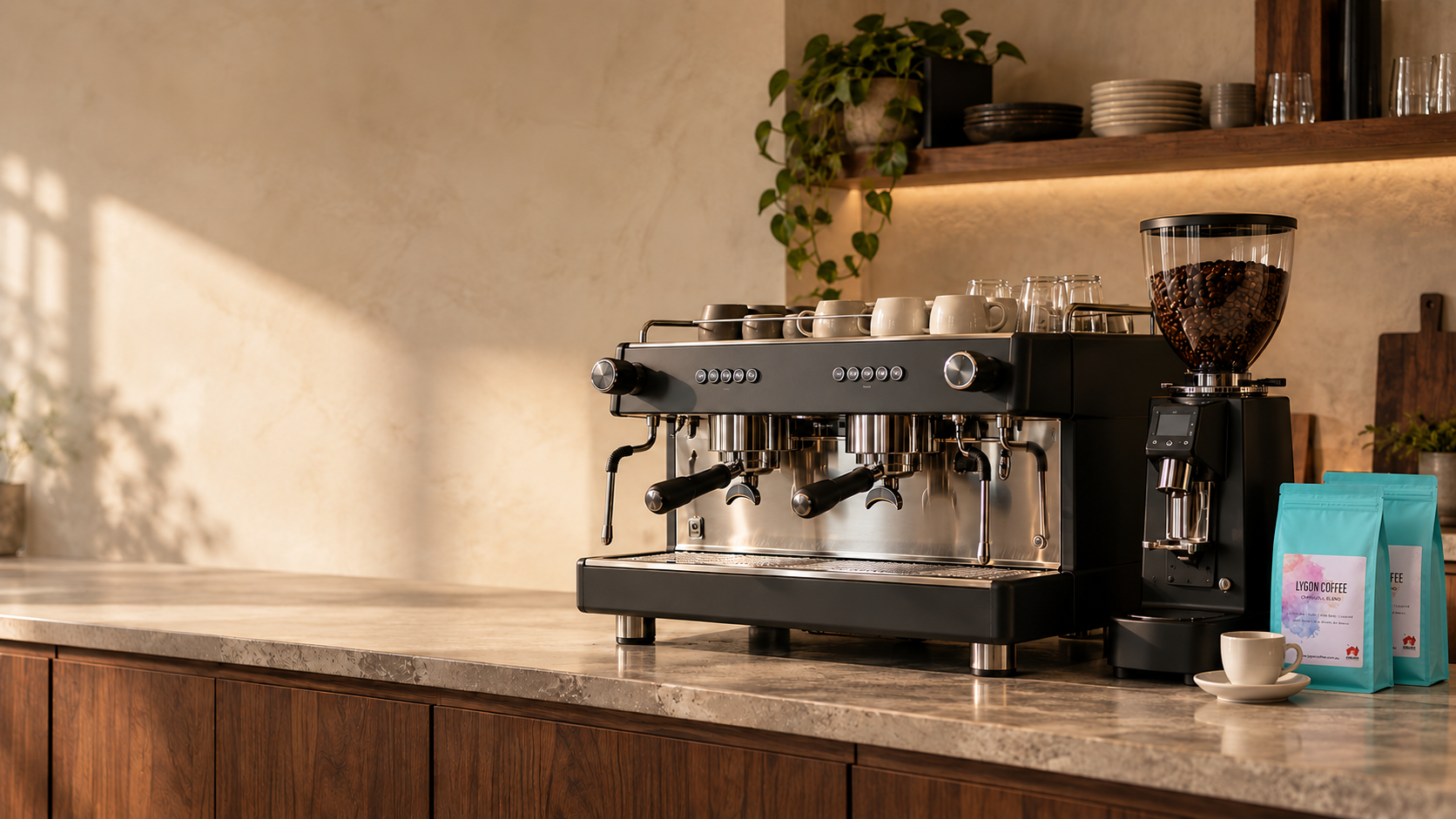
The convenience and control trade-off
Laid out side by side, the differences sort themselves into a fairly clean split.
What you are comparing | Bean to cup | Traditional espresso machine |
|---|---|---|
Grinding | Handled inside the machine | Part of your hands-on routine |
Pulling the shot | Automatic, from a button press | You manage it each time |
Milk | Prepared inside the machine | You texture and pour it yourself |
Skill required | Minimal | Developed over time |
Consistency | The priority | Rises and falls with your technique |
Quality ceiling | Convenience first | Higher when dialled in |
Best suited to | Fast, low-effort drinks | People who want control and customisation |
Read that table as a set of priorities rather than a scoreboard. An automatic machine is not a worse product, it is a different product. It optimises for a repeatable cup with almost no input from you, and it does that job well.
Where milk drinks separate the two
Milk is where the gap becomes obvious in daily use. If your household runs on flat whites, lattes and cappuccinos, milk matters more than any specification sheet.
On a manual machine, milk is a skill you build. Texturing and pouring take practice, and the difference between a good and a poor pour shows up in the glass. On an automatic machine, the milk is prepared inside the unit, so the outcome does not depend on who is standing at the bench. If you mostly drink espresso or long blacks, milk carries far less weight, and the case for manual control gets stronger.
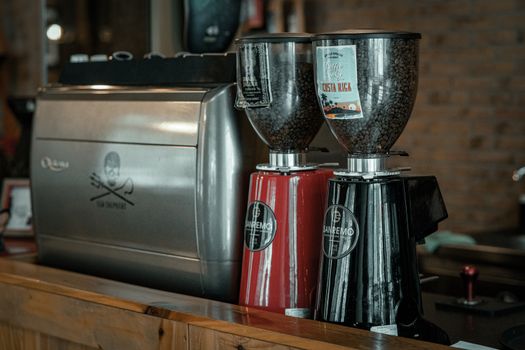
Consistency, skill and the chain café question
The most common criticism of bean to cup machines from coffee enthusiasts is that the coffee can taste like chain-store coffee. It is a fair observation, but read it carefully. Plenty of chain cafés actually run proper manual espresso machines. So the criticism is not about the equipment on the counter, it is about the result in the cup. Automatic machines are built for repeatability, and repeatability flattens the lows and the highs at the same time.
The flip side is just as true. If your current reference point is a capsule pod, a bean to cup machine is a genuine step up. The tension only appears when your benchmark is a specialty café rather than your own kitchen.
Beans still do the heavy lifting
Whichever route you take, the beans set the ceiling for everything the machine can produce. Both machine types use whole beans rather than capsules, which is one of the practical reasons people make the switch in the first place. Buy from a roaster who can tell you when the beans were roasted and keep the bag fresh.
This is also where the two machines behave differently with the same coffee. A manual setup lets you adjust grind and extraction to suit a new bean. An automatic machine will produce a consistent result from that same bean regardless of what it is, which is comforting on a busy morning and limiting if you were chasing something specific.
Our OmniSoul blend is roasted in Adelaide to work in both, whether that’s a one-button bean to cup machine or a manual espresso setup.
Which household are you?
Most buyers recognise themselves quickly in one of these situations.
-
Mornings are chaos and you want a decent flat white from one button, so bean to cup suits you.
-
You enjoy the process, want to experiment and treat the shot as a hobby, so a traditional espresso machine suits you.
-
Your household has mixed skill levels and everyone should drink to the same standard, which points to bean to cup. The same logic applies at work, which is why we supply
-
You drink mostly espresso or long blacks, where manual control pays off more.
-
Bench space is tight, since a bean to cup handles grinding, brewing and milk inside a single unit.
-
You like building a setup and upgrading over time, which the espresso route allows.

Questions to answer before you commit
A few practical checks will save you from a purchase you regret.
-
How much daily cleaning are you genuinely prepared to do? Ask the retailer what routine each machine expects and read the manual requirements before buying.
-
Will you actually learn technique if you buy a manual machine? If the honest answer is no, the higher quality ceiling stays theoretical.
-
How many drinks does your household make each day, and are they mostly milk based or black?
-
Do you want one appliance doing everything, or do you enjoy having separate pieces you can change over time?
-
Check current models, specifications and warranty terms with the manufacturer or retailer, since ranges and features change regularly.
If you’re weighing up a home setup, LygonCoffee can help you choose. We’re a specialty roaster in Adelaide, and we’re happy to talk through which machine suits how you actually drink your coffee, from one-button bean to cup to manual espresso for people who enjoy the ritual. Whichever way you go, start with our OmniSoul blend: chocolatey and nutty, and roasted to work in an espresso, a milk drink or a pour-over.
Frequently Asked Questions
Is a bean to cup machine better than an espresso machine?
There is no single answer, because each wins in different areas. Bean to cup takes the honours for convenience, consistency and milk drinks made without skill. A traditional espresso machine wins on the quality ceiling and on control over customisation. Decide which of those two lists describes what you actually want from your kitchen bench each morning.
Do I need barista skills to use a bean to cup machine?
No, and that is the entire point of the design. The machine grinds the beans internally, extracts the shot and prepares the milk, so the result does not depend on your technique. Skills only become relevant if you want to influence the cup beyond what the machine decides for you, which is where a manual setup comes in.
Is it worth buying a bean to cup machine?
It is worth it if convenience outranks control for you. If you want fast, consistent, low-effort drinks, including milk based ones, an automatic machine earns its place on the bench. If you want to chase a higher quality ceiling and enjoy adjusting grind and extraction yourself, put that budget towards a traditional espresso setup instead.