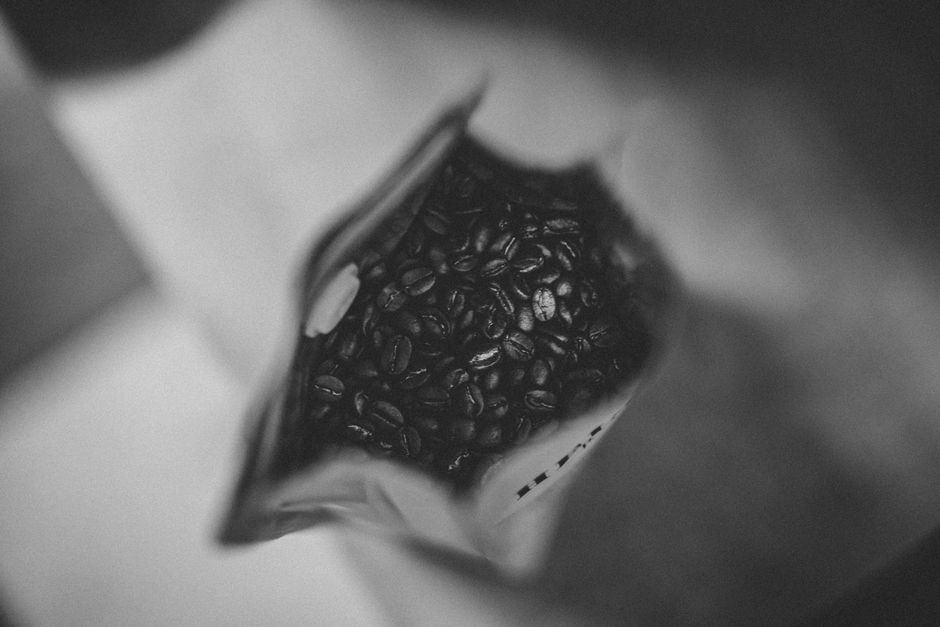
You have a name, a room full of people who want coffee, and a decision to make about where the beans come from. Wholesale beans and private label coffee both put a working espresso setup behind your counter, but they place you in very different seats. One keeps your supplier's name on the bag. The other puts yours there. The choice shapes your margins, your minimum orders, and how much of your own brand walks out the door with every takeaway cup.
This is a practical comparison of the two paths, written from the roaster's side of the relationship, so you can see what each one asks of you before you sign anything.
Wholesale beans: someone else's coffee, your service
With wholesale, you buy roasted coffee from a roastery under their brand and serve it in your venue. The roaster owns the blend, the packaging, the origin story and the pricing structure. You own the hospitality: the greeting, the milk texture, the speed at the register and the reason people come back.
That arrangement suits a lot of businesses. You get a coffee that is already roasted, already tested and already familiar to customers who have seen the bag elsewhere. You spend nothing on development, you can usually scale up or down with your order volume, and when something tastes off you have a supplier to call.
What you give up is control and ownership. Your regulars associate the coffee with another business. If you ever want to change the roast profile, add a seasonal blend or print your own name on retail bags, that is a conversation with your supplier rather than a decision of your own.
Private label coffee: your name on the bag
Private label coffee is coffee produced by one company and sold under another company's brand. Instead of sourcing green coffee, buying equipment and working out roast profiles yourself, you partner with a roastery that roasts, packs and delivers the coffee under your label. Your logo goes on the bag and the roaster handles everything inside it, from tailored roast profiles through to the support that keeps every cup tasting as it should.
In Australia, the terms private label and white label are used interchangeably, which causes a fair amount of confusion. Both describe coffee roasted by one business and sold under another's brand. The useful distinction is about how much customisation sits behind your name, and how that affects your order commitment.
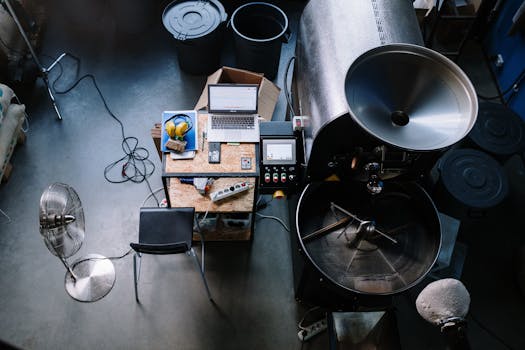
White label and private label: what actually differs
White label is the faster, more flexible option. You take a finished coffee the roastery already produces, apply your branding, and get to market quickly. Private label sits closer to a custom order. There is more input from you, more control over the result, and usually a higher minimum order and a higher price to match.
Both give you the chance to serve coffee under your own brand, but they suit different business goals. If your priority is speed and a light commitment, white label fits. If you want a blend built around your menu, your milk and your customer base, private label is the closer match. For tangible goods like coffee, private label also tends to carry more brand recognition than the white label framing, which is more often associated with software and technology.
A side-by-side look at the two paths
| Question | Wholesale beans | Private label |
|---|---|---|
| Whose name is on the bag | The roastery's | Yours |
| Say over the roast profile | Limited to what the roastery offers | More input and more control |
| Minimum order commitment | Generally lower and easier to adjust | Usually higher |
| Cost per kilogram | Generally lower | Usually higher, reflecting the custom work |
| Speed to first pour | Fast, because the coffee already exists | Slower, because the coffee is built for you |
| Brand value created | Builds the roastery's brand alongside yours | Builds an asset you own |
| Best suited to | Venues, offices and events that want proven coffee with light commitment | Retail, hospitality groups, vans and brands with ambitions beyond the cup |
Treat the cost and minimum order rows as directional rather than fixed. Rates and minimums vary by roastery and by the coffee you choose, so ask for current terms in writing before you plan your numbers around them.
When wholesale is the better fit
Wholesale tends to win in a few common situations.
- You are opening a venue and need coffee solved, not invented. A proven blend removes one variable from a long list.
- Coffee supports your business rather than defining it. A restaurant, bakery or hotel can lean on a roastery's reputation and get on with the food.
- You want to test demand before committing capital to packaging, branding and a larger order.
- You value having a supplier relationship to lean on for training, advice and consistency when staff turn over.
- Your customers already know and like the coffee on your shelf, which saves you the work of teaching them something new.
There is no shame in any of these. Plenty of excellent cafés serve another business's beans and compete brilliantly on service, food and atmosphere.

When private label earns its higher commitment
Private label starts to make sense when your name is doing commercial work beyond the cup. If you sell retail bags, run more than one site, operate a coffee van at markets and events, or send coffee out as gifts and subscriptions, a bag with your name on it keeps working after the customer leaves. Every bag becomes a small piece of marketing that belongs to you rather than your supplier.
It also helps when your menu has particular demands. A tailored roast profile can be built around the way you serve coffee, whether that is espresso with milk, filter, cold brew or all three. That degree of fit is difficult to achieve by choosing from a standard range.
What private label asks in return is commitment. Higher minimums mean you need reliable volume or a plan to move retail stock. You also take on the brand work: packaging decisions, consistency checks and the responsibility for what your name promises. A roastery can handle the roasting and the support, but the reputation is yours to protect.
Questions to put to any roaster before you decide
Whether you lean wholesale or private label, a few direct questions will save you months of guesswork.
- What are your current minimum order quantities, and how often do you expect me to order?
- Can I taste the coffee, and how many rounds of adjustment are included if we develop a profile?
- Who owns the blend and the packaging artwork if we part ways?
- How consistent is supply across the year, and what happens when a single origin runs short?
- What support comes with the relationship, such as setup advice, training or equipment help?
- What are the real landed costs, including delivery, once the coffee reaches my door?
Get the answers in writing. Verbal assurances about consistency and price tend to look different eleven months into a supply relationship.

How Lygon Coffee approaches both paths
We roast in South Australia and work with cafés, hotels, coffee vans and offices on wholesale beans and custom blends, where you choose from our range or have something built to suit your menu. Our contract roasting and private label service is the other path, with your logo on the bag and our team handling the roast profiles and the support behind them.
If you are still deciding which relationship fits, start with the volume you can honestly commit to and the role your brand plays in the sale. A business that sells coffee by the cup has different needs from one that sells bags to take home. You can read more about wholesale coffee and custom blends, explore private label and contract roasting, or see the wider picture in our business coffee solutions hub.
Frequently Asked Questions
Is private label coffee the same as white label?
In Australia the two terms are used interchangeably. Both describe coffee roasted by a roastery and sold under your brand. Where people draw a distinction, white label usually means a finished coffee with your branding applied, while private label means a more customised roast with more input from you, a higher minimum order and a higher price.
Do I need my own roastery to sell coffee under my brand?
No. Private label and contract roasting exist precisely so you can launch or scale a coffee brand without running a roastery. The roastery sources, roasts, packs and delivers the coffee, and you focus on selling it and building the brand around it.
Is private label coffee more expensive than wholesale?
Usually, yes. Private label sits closer to a custom order, so it typically involves more work, a higher minimum order and a higher price than buying a roastery's standard wholesale range. The trade-off is control and brand ownership. Ask each roastery for current pricing and minimums, because these vary widely.
Can I start with wholesale and move to private label later?
That is a common and sensible sequence. Wholesale lets you test volumes and learn what your customers actually drink before you commit to packaging and larger orders. Once you have steady numbers and a clear idea of the profile you want, a private label conversation is much easier to have with useful information behind it.
What are the downsides of private label?
The main ones are commitment and responsibility. Higher minimums mean you need reliable volume, and the brand on the bag is yours to protect, so consistency and packaging decisions sit with you. You also need a roastery you trust to keep the coffee tasting the same from one batch to the next.