
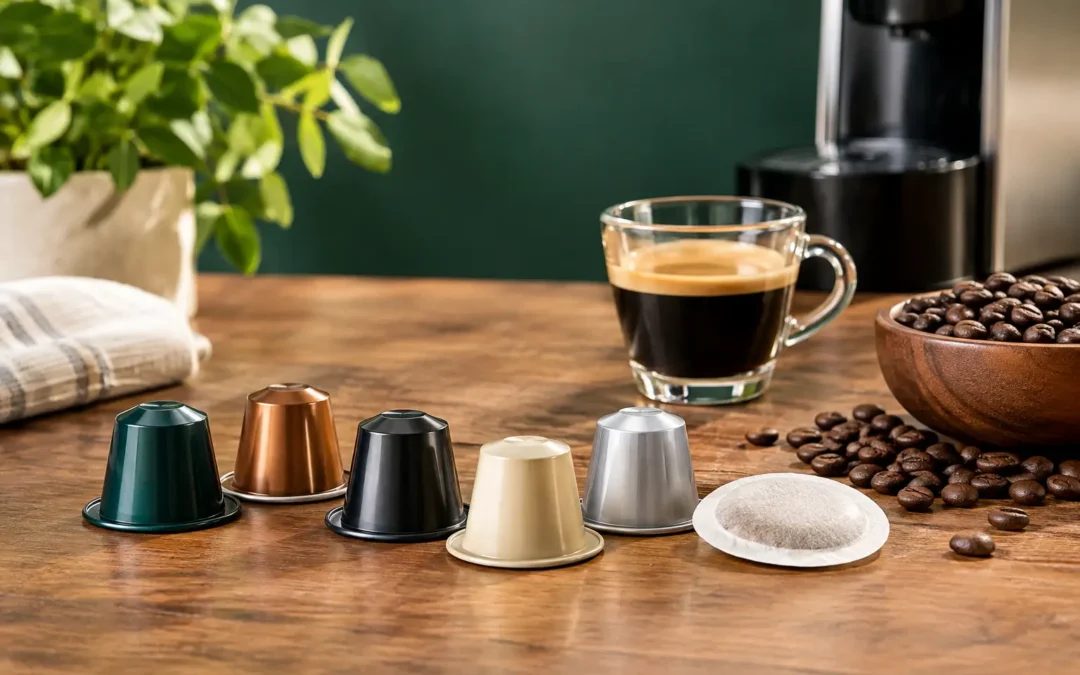
A coffee capsule comparison can look simple until you make one every morning. The machine is quick, the button is familiar, and the coffee is there before the toast pops. But capsule systems differ in more than intensity numbers and box colours. Flavour, freshness, machine choice, ongoing cost and what goes in the bin all shape whether they suit your kitchen.
For some households, capsules are the right answer. For others, a small espresso machine and freshly roasted beans bring a noticeably better cup with more control. The useful question is not which option wins for everyone. It is which one fits how you actually drink coffee.
Coffee capsule comparison: start with the cup
A capsule machine is built for repeatability. Each capsule holds a measured dose of pre-ground coffee, and the machine uses a programmed flow of water to make a short coffee. That can be handy when different people in the house want a cup without learning a grinder or changing a recipe.
The trade-off is that pre-ground coffee has less room to shine. Coffee begins losing its brightest aromas after grinding because more of its surface is exposed to air. A well-packed capsule slows that process, but it cannot recreate the fragrance of beans ground moments before brewing. You may notice this most in black coffee, where there is nowhere for the roast character to hide.
Capsules can still deliver a pleasant, consistent drink, especially with milk. If you mostly make a flat white-style coffee at speed, that consistency may matter more than picking out fruit, chocolate or caramel notes. If you enjoy espresso or long black coffee, fresh beans usually offer a fuller aroma, more texture and a cleaner finish.
Roast and origin make a difference
Many capsule ranges lean towards darker roasts. Darker roasting can create body and familiar cocoa-like bitterness, and it tends to remain recognisable through milk. It is a sensible approach for a product designed to taste consistent over time.
The limitation is choice. With whole beans, you can move between a dependable blend and coffees with a clearer sense of place. A Brazilian and Colombian blend might bring chocolate, nuts and soft sweetness. An Ethiopian coffee may feel more floral and lively. A decaf can still taste rich and balanced when it is roasted with care. Those differences are easier to taste when coffee is freshly ground and the brew recipe can be adjusted.
Freshness is the quiet deciding factor
Capsules are usually sealed to protect the coffee from oxygen. That gives them a long shelf life and makes pantry storage easy. It also means the packaging date can be more useful than the roast date when you are trying to judge what is inside.
Freshly roasted whole beans work differently. They are at their best after a short resting period, then gradually change over the following weeks. Buying in smaller amounts more often is a practical way to keep the cup tasting lively. For many homes, a 250 g bag is a good rhythm: enough coffee to enjoy without leaving beans sitting around for months.
Freshness does ask a little more of you. Beans need a grinder, and the grind needs to suit the brewer. That is not a drawback for every coffee drinker. A grinder gives you the ability to make small adjustments when a shot runs too fast, tastes sharp or comes out heavy and bitter. It turns coffee from a fixed result into something you can make your own.
Convenience: capsules versus beans
Capsules are hard to beat for a fast, low-mess routine. There is no weighing, grinding or knocking out a coffee puck. That suits busy weekday mornings, a holiday house, or a home where coffee is more of a practical pick-me-up than a hobby.
Bean coffee takes a little longer, but it need not become complicated. A quality home espresso machine and grinder can make a consistent coffee in a few minutes once the setup is dialled in. A filter brewer can be even calmer: weigh the coffee, add water, and let the brew do its work while you get on with the morning.
Think about who will use the machine. Capsules are forgiving for guests and teenagers learning their first coffee routine. An espresso machine rewards a bit of practice, but the skill is manageable. Most people get comfortable with a simple dose, grind and timing routine sooner than they expect.
Milk is another factor. Capsule machines that rely on separate milk devices can be convenient, though the texture is often different from freshly steamed milk. If your favourite coffee is a silky flat white or cappuccino, a steam wand gives you more control over temperature and foam. It also lets you use the milk you prefer, whether that is dairy, oat or another alternative.
Cost is more than the box price
Capsule coffee can appear straightforward because each serve is individually priced. That clarity is useful, but the cost per cup is often higher than making coffee from beans. The difference can become meaningful in a household with two or three daily coffee drinkers.
A bean setup has a higher starting point because it requires a grinder and brewing equipment. Whether it makes financial sense depends on how often you use it and how long you keep it. A well-chosen machine can serve a home for years when it is cleaned and maintained properly.
There is also less flexibility with capsule systems. Your machine may only accept a specific capsule shape or format, which ties future coffee choices to that system. With beans, you can buy from different roasters, try seasonal lots, choose decaf when you need it, and switch between espresso and filter brewing without replacing the machine.
Waste deserves an honest look
Single-serve coffee creates single-serve packaging. Some capsules are aluminium, some are plastic, and some are compostable. Each option has a different disposal story, and the label alone does not settle it.
Aluminium can be recycled, but usually only if the capsule is emptied and accepted by the recycling pathway available in your area. Plastic capsules can face similar limitations. Compostable capsules need the right conditions and may not break down in a home compost bin or standard council collection. Before choosing a capsule system on environmental grounds, check what your local service actually accepts.
Whole-bean coffee produces less packaging per cup, particularly when you buy a larger bag at a sensible pace. Used grounds can go into a home compost system or garden where appropriate. They are still organic material, not magic fertiliser, but they are simpler to manage than a pile of individual pods.
Which option suits your home?
Choose capsules if speed, simple operation and predictable results matter most. They can be a sensible fit for occasional coffee drinkers, shared kitchens where no one wants to learn equipment, or homes short on bench space.
Choose freshly roasted beans if the cup itself is part of the pleasure. Beans suit people who want better aroma, more choice and the satisfaction of finding a coffee that tastes right for them. They also make sense for households brewing several coffees a day and for anyone who wants to reduce reliance on single-use capsules.
There is a middle ground, too. Keep a capsule machine for the quickest weekday cup, then use a filter brewer or espresso setup when there is time to slow down. Coffee does not have to be all-or-nothing. The best routine is the one you will enjoy using.
If you are moving from capsules to beans, begin with a forgiving blend rather than chasing complexity. Look for a coffee with sweetness, chocolate notes and enough body to work with milk as well as black coffee. Use a simple grinder, buy only what you will drink while it is fresh, and make one adjustment at a time. Small changes teach you far more than an expensive setup with no routine behind it.
Good coffee is not about making mornings harder. It is about choosing the level of care that suits the moment, then enjoying the cup with good people. When you are ready to explore freshly roasted beans, shop LygonCoffee whole beans in a size and style that fits your daily routine.