
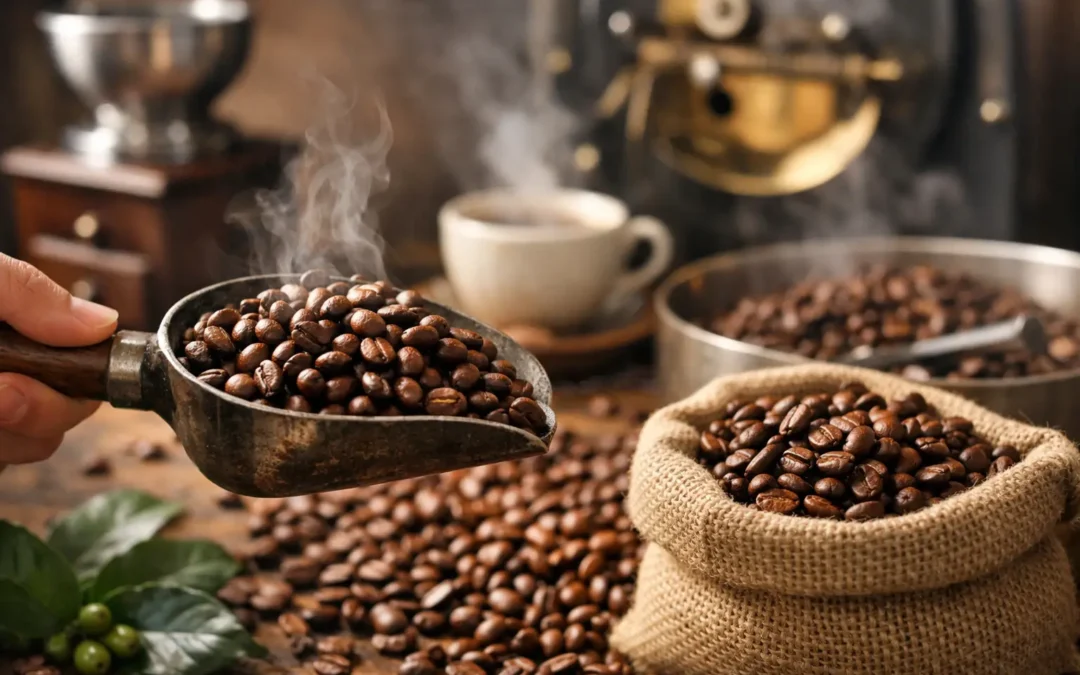
That first grind in the morning tells you a lot. If the aroma lifts straight out of the hopper and fills the kitchen, you already know the cup is heading somewhere good. That is exactly why choosing freshly roasted coffee is more than a coffee-snob question – it is the difference between a flat, forgettable brew and one that feels lively, sweet and worth slowing down for.
Fresh coffee is not about hype. It is about timing, flavour and getting the best from the bean before those beautiful aromatics fade. Whether you are brewing at home, stocking the office, or planning an event where every detail matters, freshness has a direct impact on taste, consistency and the overall experience in the cup.
Why choose freshly roasted coffee for flavour?
Roasting sets the flavour potential of a coffee in motion, but it does not pause it. From the moment beans are roasted, they begin changing. Gases release, aromatics shift, and the vivid notes that make specialty coffee exciting gradually soften. That means the window after roasting is where the bean has the most to offer.
When coffee is fresh, flavours tend to feel clearer and more distinct. You can pick up caramel sweetness, chocolate depth, citrus brightness or stone-fruit notes with more definition. A blend built for milk drinks tastes richer and more balanced. A single origin brewed black can show more nuance and structure. Freshly roasted coffee gives you the version the roaster actually intended you to taste.
By contrast, older coffee often loses its top notes first. It might still make a decent cup, but it can taste dull, woody or tired. Milk can hide some of that, but not all of it. If you have ever wondered why one flat white tastes round and creamy while another seems oddly hollow, freshness is often part of the answer.
Aroma is not a bonus – it is part of the taste
A big part of flavour happens through smell. That is why opening a fresh bag can feel so different from opening one that has been sitting around too long. The fragrance is more intense, more layered and more inviting.
This matters in everyday settings, but it matters even more when coffee is part of a broader experience. In a workplace, a proper coffee break can shift the mood of the day. At an activation or private event, the smell of beans being ground and espresso being poured adds atmosphere before the first sip is even served. Freshly roasted coffee does not just taste better – it creates a stronger coffee moment.
That sensory pull is one reason people keep coming back to specialty coffee. It feels more considered, more crafted and far more satisfying than drinking something out of habit.
Freshness helps with consistency too
People often talk about flavour first, but consistency is just as important. Freshly roasted coffee, handled well, gives baristas and home brewers a better chance of producing reliable results. The extraction is more predictable, the crema is healthier in espresso, and the cup profile is easier to dial in.
That is especially useful in environments where coffee needs to perform day after day. Offices want coffee that keeps staff happy without endless fiddling. Events need drinks that taste polished from the first order to the last. If the beans are stale, even good equipment and capable hands are working uphill.
There is a balance here, though. Coffee roasted yesterday is not always better than coffee roasted a little earlier. Many beans need a short resting period after roasting to settle and degas, especially for espresso. The sweet spot depends on the coffee, the roast style and your brew method. Freshly roasted does not mean rushed. It means the coffee is supplied within the right window to taste its best.
Why choose freshly roasted coffee over supermarket coffee?
Convenience is the main argument for supermarket coffee, and fair enough – it is easy to grab while doing the weekly shop. The trade-off is that you often do not know when it was roasted, how long it has been on the shelf, or how much flavour has already disappeared before it reaches your cupboard.
Freshly roasted coffee gives you more transparency and usually a lot more character. Small-batch roasters pay close attention to sourcing, roast development and batch control. That care shows up in the cup. You are not just buying beans. You are buying a fresher product with a clearer flavour profile and a better chance of tasting coffee at its full potential.
For businesses, the difference can be even more obvious. Offering quality coffee says something about how you look after staff, clients and guests. It signals that details matter. Nobody expects a memorable coffee from a stale, generic bean. People do notice when the coffee is fresh, balanced and genuinely enjoyable.
Better beans deserve better timing
Specialty coffee starts long before roasting. Variety, altitude, processing and harvest conditions all shape what ends up in the cup. If a bean has been carefully grown and sourced for flavour, letting it sit around too long wastes much of that work.
Fresh roasting respects the value of the bean. It preserves more of what made that coffee worth selecting in the first place. That could be a syrupy body suited to milk, a clean cocoa finish, or a bright fruit note that gives the cup a lift. Freshness is not a marketing extra tacked onto specialty coffee. It is part of delivering on the promise of quality.
This is one reason direct-to-consumer bean buying has grown so quickly. People want coffee that has been roasted with intention and delivered while it is still in great condition, not coffee that has spent months travelling through warehouses and shelves.
Freshly roasted coffee at home, at work and at events
The best thing about fresh coffee is that it improves ordinary routines as much as special occasions. At home, it turns the morning brew into something to look forward to instead of something you power through. You get more flavour from the same equipment, whether that is a plunger, pour over, AeroPress or espresso machine.
At work, fresh beans can lift the standard of coffee without making things complicated. Staff notice when the brew is better. Clients notice too. A decent coffee setup with freshly roasted beans can make the office feel more thoughtful and welcoming.
At events, freshness becomes part of the service quality. When coffee is brewed on site using beans roasted for flavour and consistency, guests get a café-quality experience rather than an afterthought. That matters for corporate functions, community gatherings, launches and weddings alike. Coffee is often one of the last things people mention in planning and one of the first things they remember if it is done well.
For businesses and organisers who want that mix of quality and ease, working with a roaster that also understands service can make all the difference. That is where a brand like LygonCoffee fits naturally – not just as a bean supplier, but as a team that sees coffee as both craft and hospitality.
Freshness is important, but storage still matters
Buying freshly roasted coffee is only half the job. Once the bag is opened, air, light, heat and moisture all start working against it. If you want the beans to stay lively for longer, store them in an airtight container, away from direct sun and well clear of the fridge.
Grinding just before brewing also makes a major difference. Pre-ground coffee loses aroma much faster than whole beans. If you care about flavour, a grinder is one of the best upgrades you can make. It does not need to be fancy, but it should be consistent enough to suit your brew method.
And yes, there is a practical trade-off. Fresh coffee can cost more than bulk commercial blends. But if the cup tastes better, the experience improves, and fewer coffees end up half-finished or forgotten, the value starts to look pretty strong.
The real reason freshness keeps winning
Coffee is a daily ritual for most people, which means small improvements add up quickly. A better cup each morning changes how the day starts. Better coffee in the office makes the break feel more rewarding. Better coffee at an event makes the whole setup feel more polished.
So why choose freshly roasted coffee? Because it gives you more of what coffee is meant to offer – richer aroma, clearer flavour, better balance and a cup that feels alive rather than stale. Once you get used to that difference, it is very hard to go back.
If you are already making time for coffee, you may as well make it good.
Try it fresh. Our OmniSoul blend is roasted in small batches in Adelaide, with delivery included Australia-wide and 10% off when you subscribe. Visit the shop.