
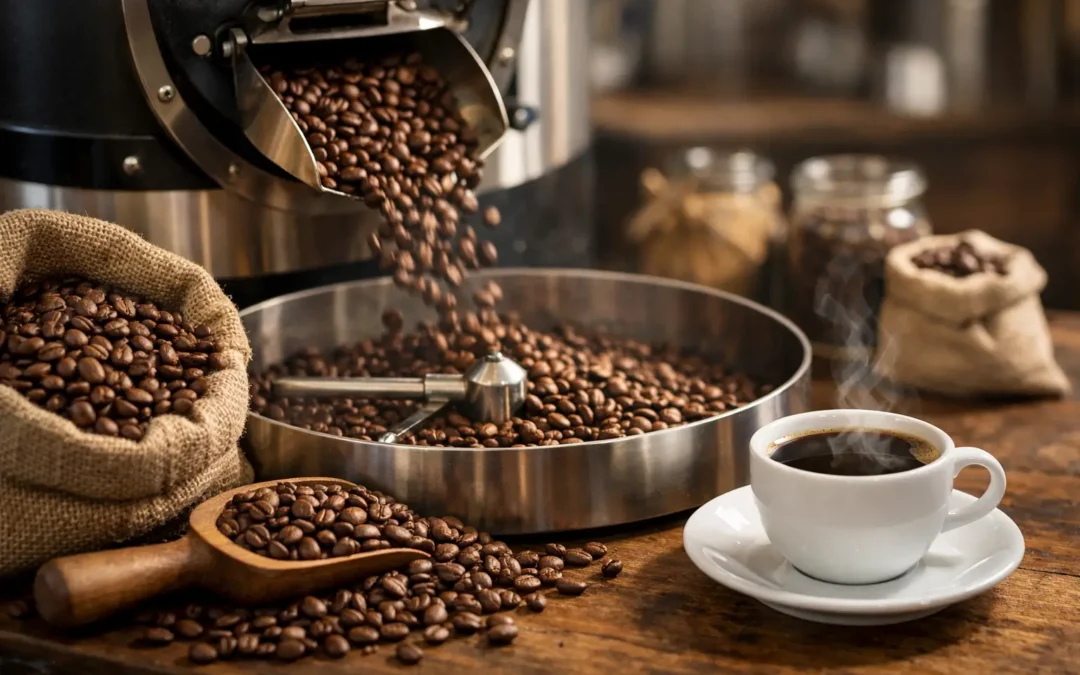
A coffee blend should not feel like a compromise. The best small batch roasted blends are built to give you a cup that is delicious, familiar and full of character, whether you are pulling an espresso before work or sharing a long black with guests. They bring together coffees with different strengths, then roast them with care so the final cup tastes intentional rather than merely consistent.
For home brewers, offices and events, that reliability matters. Nobody wants to adjust their grinder wildly from one bag to the next, yet nobody wants a flat, forgettable coffee either. A well-made blend offers a dependable starting point, with enough detail in the flavour to make the daily ritual worth slowing down for.
What Makes a Blend More Than a Mix of Beans?
Blending is often misunderstood as simply combining several coffees. In reality, it is a careful exercise in balance. One origin might contribute caramel sweetness and weight through milk. Another may lift the cup with stone fruit, citrus or a clean finish. A third can add structure, body and the cocoa-like depth that makes an espresso feel complete.
The goal is not to hide a coffee’s personality. It is to create a flavour profile that works as a whole. A blend designed for milk-based drinks, for example, needs enough richness to stay present beneath steamed milk. A blend intended for black coffee can make more room for clarity, sweetness and a lingering finish.
That is why the recipe matters as much as the roast. Great blending begins with tasting coffees individually, understanding how they behave, and choosing components that add something distinct. When those coffees come together, the result should feel rounded, not muddled.
Why Small Batch Roasted Blends Make a Difference
Roasting in smaller quantities gives the roaster closer control over the coffee in front of them. Coffee changes as it develops in the roaster, and small variations in bean density, moisture and processing can affect how heat moves through the batch. A hands-on approach makes it easier to respond to those changes and protect the flavours that made each coffee worth selecting.
Freshness is another practical advantage. Coffee is at its most expressive after it has had time to rest following roasting, but it will not stay there forever. Buying freshly roasted beans means you have a better chance of enjoying lively aromatics, rich sweetness and a cleaner finish rather than coffee that has sat on a shelf long past its best.
Small batches also allow for thoughtful adjustment. Seasonal coffees change, availability shifts and a roaster may refine a blend to keep its intended profile on track. That does not mean your favourite blend should taste different every week. It means the people behind it are paying attention, making measured decisions to maintain the experience you came back for.
There is a trade-off, of course. Smaller-scale roasting can cost more than high-volume production, and freshness asks a little more of the customer too. It is worth storing beans properly and buying an amount you can use within a sensible period. In return, you get coffee treated as a fresh food product, not a pantry item designed to last indefinitely.
Consistency Still Has a Place
Specialty coffee does not need to be unpredictable to be interesting. For a busy workplace, a café-style event or a household with a favourite morning order, consistency is a form of hospitality. It means the flat white tastes balanced on Monday and Friday, and the espresso has the same satisfying sweetness guests enjoyed at the last function.
The difference is how that consistency is achieved. Mass-market coffee can rely on roasting darker to smooth over variation, which may produce a heavy, smoky or overly bitter cup. A carefully developed blend aims for balance without losing sweetness or origin character. You should be able to taste chocolate, nuts, toffee or fruit notes because they belong there, not because the coffee has been pushed until every bean tastes the same.
Choosing a Blend for Your Usual Brew
Start with the way you actually drink coffee, not the tasting notes you think you should enjoy. If your regular order is a latte, cappuccino or oat milk flat white, look for a blend with body, sweetness and enough depth to carry through milk. Notes such as chocolate, caramel, roasted hazelnut and brown sugar often make for an easy, comforting match.
If espresso, long blacks or filter coffee are your preference, you may enjoy a blend with brighter fruit notes and a lighter, cleaner texture. That does not automatically mean it will taste sharp. Well-developed acidity can feel like ripe fruit or juicy sweetness, adding life to the cup without making it sour.
Your brewing equipment matters as well. Espresso machines tend to reward blends with a stable, syrupy base, especially when several people use the same grinder. Plungers and batch brewers are often more forgiving, while filter methods can reveal finer flavour details. There is no single best option, only the coffee that makes your preferred brew taste its best.
Let Your Grinder Do Some of the Work
Even exceptional beans can disappoint if the grind is off. If espresso runs too quickly and tastes thin or sour, a finer grind may help. If it drips slowly and tastes harsh or dry, go slightly coarser. Change one small step at a time, then taste before adjusting again.
For home brewers, a quality burr grinder is one of the most useful upgrades you can make. Grinding just before brewing preserves the aromatic oils and delicate flavours that pre-ground coffee loses quickly. For an office, a reliable grinder and a simple brew guide can transform a good bean into a consistently good cup without adding much fuss to the morning routine.
Fresh Beans Need Thoughtful Storage
Keep your beans in an airtight container, away from heat, direct sunlight and strong odours. A cool cupboard is generally better than the bench beside a sunny window or a hot appliance. The original bag can work well if it has a proper resealable closure and valve, though a dedicated airtight container is a worthwhile option for frequent coffee drinkers.
Avoid storing coffee in the fridge. Condensation and kitchen smells are not kind to roasted beans. Freezing can suit larger unopened portions if you are buying ahead, but it is usually unnecessary for a bag you plan to open and enjoy over the next few weeks.
The simplest habit is to buy a quantity that suits your household, team or event schedule. A smaller bag used steadily will often deliver a better experience than a giant bag stretched across several months. Fresh coffee is there to be enjoyed generously, not saved for a special occasion that never arrives.
A Better Coffee Moment, Wherever It Happens
The appeal of a great blend reaches beyond the kitchen bench. It is the ease of serving coffee that feels considered at a client meeting, the lift it brings to a team morning, or the way a well-poured flat white makes an event feel looked after. For larger gatherings, a mobile café service removes the equipment headache while keeping the standard high: freshly ground coffee, skilled baristas and drinks made to order.
At Lygon Coffee, that same care for flavour carries from freshly roasted beans to the coffees served at workplaces and Adelaide events. The aim is simple: make quality coffee easy to enjoy, wherever people come together.
When choosing your next bag, trust your own routine. Pick a blend suited to the drinks you love, give it fresh water and a considered grind, and take a moment to notice what is in the cup. The richest coffee rituals are rarely complicated. They begin with beans that have been roasted with purpose and brewed while their flavour still has plenty to say.