
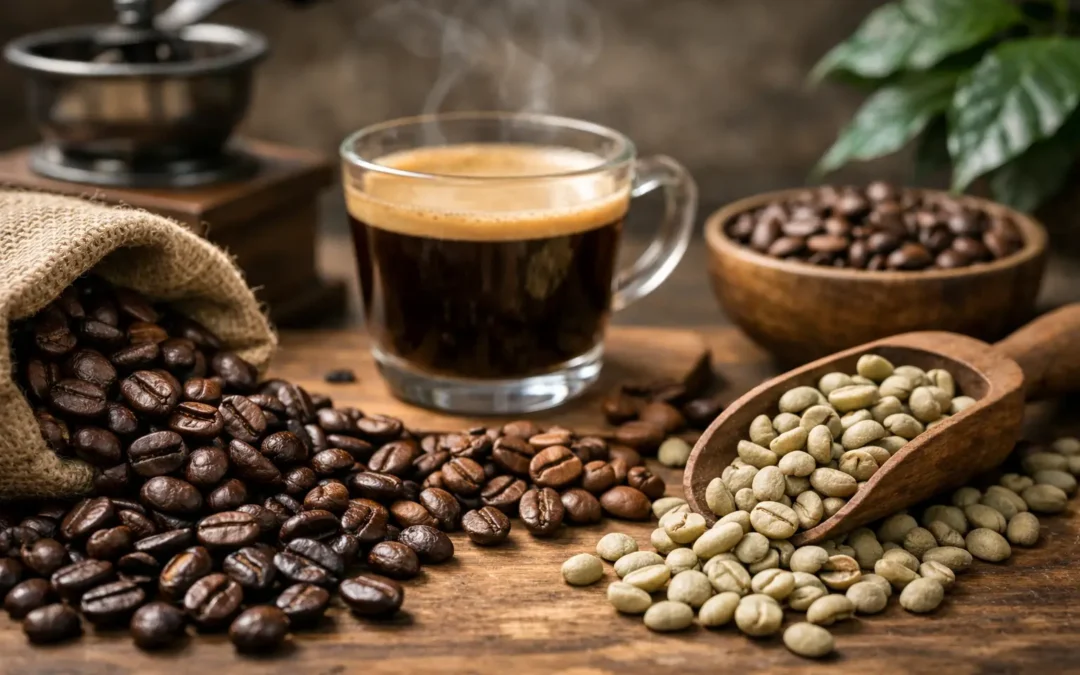
That flat, papery cup that tastes a bit lifeless by Monday morning usually is not your machine playing up. More often, it comes down to freshness. Bean freshness explained in simple terms means understanding when coffee tastes at its best, what changes after roasting, and how your storage habits either protect or dull the flavour you paid for.
Freshness gets thrown around a lot in coffee, and not always accurately. Plenty of bags say fresh, but freshness is not just about how recently the beans were roasted. It is about timing, gas release, oxygen exposure, moisture, heat and when the coffee is ground. If you want richer flavours, better crema and a cup that actually tastes like the notes on the bag, freshness matters more than most people realise.
Bean freshness explained: what fresh coffee actually means
Freshly roasted coffee is alive. In the days after roasting, beans release carbon dioxide in a natural process called degassing. That gas affects extraction, aroma and crema, especially for espresso. Too fresh, and the coffee can be hard to dial in. Too old, and the cup loses sparkle, sweetness and complexity.
For most specialty coffee, there is a sweet spot rather than a single perfect day. Espresso often shines after a short rest, usually several days post-roast. Filter coffee can be beautiful a little earlier or later depending on the bean and roast profile. The key point is this – fresh coffee is not raw coffee straight out of the roaster, and it is definitely not a bag that has been sitting in the cupboard for three months.
A good roaster will roast in small batches and mark the bag with a roast date, not just a best-before date. That gives you a real sense of where the coffee is in its flavour window.
Why coffee changes after roasting
Roasting transforms a dense green seed into a fragrant, brittle coffee bean packed with aromatic compounds. It also starts the clock. From that point on, oxygen, light, temperature and humidity begin to change the bean.
The biggest shifts are easy to taste. Bright fruit notes soften. Chocolate and caramel flavours can become flatter. The aroma that fills the room when you open a fresh bag fades. Crema becomes thinner and less lively. None of this means the coffee becomes unsafe or unusable overnight. It just means the flavour moves away from its best expression.
This is where expectations matter. If you are making milk-based coffees at home or in the office, older beans may still produce a drinkable cup for a while. But if you want definition, sweetness and that clean finish that makes another sip irresistible, freshness has a huge say.
The roast date matters more than the best-before date
Best-before dates are useful for retail compliance, but they are not the best guide for quality. A bag can be well within its shelf life and still taste tired. Roast date is the more honest marker because it tells you when flavour development started.
As a general guide, many specialty beans drink well from around a few days after roasting up to four or six weeks, depending on how they are stored and how you brew them. Some coffees hold beautifully for longer. Others peak earlier. Darker roasts can lose nuance faster, while some lighter roasts continue to settle and open up over a longer period.
That is why buying smaller amounts more often usually gives a better result than stocking up on a big discount haul. It is the same logic as good bread. You can freeze some if needed, but the everyday experience is better when the product is closer to its best.
Grinding is where freshness disappears fastest
If there is one habit that lifts coffee quality quickly, it is grinding just before brewing. Whole beans have a natural layer of protection. Once ground, the surface area increases dramatically and the coffee is exposed to oxygen almost all at once.
That is when aroma escapes fast. Flavour becomes duller. Extraction becomes less predictable. Pre-ground coffee is convenient, and sometimes convenience is exactly what a workplace or busy household needs. But there is always a trade-off. You gain speed and lose some clarity, fragrance and depth.
If you do need pre-ground coffee, buy it in smaller quantities and keep it sealed tightly. If you can grind fresh, even with a modest grinder, you will notice the difference in the cup almost immediately.
Bean freshness explained through storage
Storage is where good beans either stay vibrant or go stale ahead of schedule. Coffee does not like air, light, heat or moisture. The four biggest enemies of freshness are sitting on most kitchen benches right now.
The best place for beans is in an airtight container, stored in a cool, dry cupboard away from the oven, direct sun and steam. The original bag can work well if it has a quality zip seal and one-way valve. That valve lets gases out without letting oxygen flood in.
What about the fridge? Usually not worth it. Fridges introduce moisture and odours, and coffee is excellent at absorbing surrounding smells. No one wants beans with a faint note of last night’s leftovers. Freezing can work if you portion coffee carefully into sealed amounts you will use in one go, but repeated thawing and refreezing is a quick path to compromised flavour.
How to tell if your beans are past their best
Your palate is the best tool here. Fresh coffee smells vivid and distinct when you open the bag. The dry fragrance should feel inviting rather than faint or cardboard-like. During brewing, you want aroma, body and a finish that lingers pleasantly.
Older beans tend to taste flatter and less expressive. Espresso may pour faster than expected and produce less crema. Milk drinks can taste more generic, as though the coffee note is there but not doing much. Black coffee can lose sweetness and feel woody, dusty or hollow.
There is a practical side to this too. If you are running coffee service for clients, staff or event guests, freshness directly shapes the impression your coffee leaves. People may not talk about degassing or oxidation, but they will notice whether the cup tastes polished and café-quality or just passable.
Different brewing methods, different freshness windows
Not every brew method responds to freshness in the same way. Espresso is usually the most sensitive because it relies on pressure, fine grind size and precise extraction. Beans that are too fresh can be gassy and uneven. Beans that are too old often lose crema and taste thinner.
Filter brewing is a little more forgiving. You can still make lovely coffee from beans that have moved beyond their espresso peak, especially if they were stored well. Plunger, pour over and batch brew each reveal staleness differently, but all benefit from whole beans and sensible storage.
This is where it depends really matters. A busy office making milk coffees all morning may value consistency and ease above chasing the exact peak day of a single origin. A home enthusiast dialing in espresso on weekends may care deeply about a narrower freshness window. Both are valid. The right freshness strategy is the one that fits how you actually drink coffee.
Buying smarter, not just fresher
The best approach is not obsessing over bean age by the hour. It is building a routine that keeps coffee in its ideal zone. Buy from a roaster who shares roast dates openly. Choose quantities that match how much you drink in one to three weeks. Keep beans sealed and dry. Grind to order if possible.
For households, that might mean a smaller regular bean delivery instead of bulk buying. For workplaces, it might mean setting up a simple rotation so bags are opened in the right order and not left half-used in the kitchenette. For events, it means sourcing beans roasted with enough lead time to settle properly, then serving them while flavour is still bright and full.
That is one reason specialty roasting and service work so well together. When the people roasting the beans also care about how the final cup tastes in real settings, freshness becomes practical rather than abstract. Lygon Coffee builds that into the everyday ritual, whether the beans are headed to a home setup, a shared office bench or a mobile coffee service pouring for a crowd.
Freshness is not coffee snobbery. It is the difference between a cup that simply does the job and one that makes the morning feel properly sorted. When you treat beans like a fresh food product instead of a pantry afterthought, the reward shows up in every sip.