
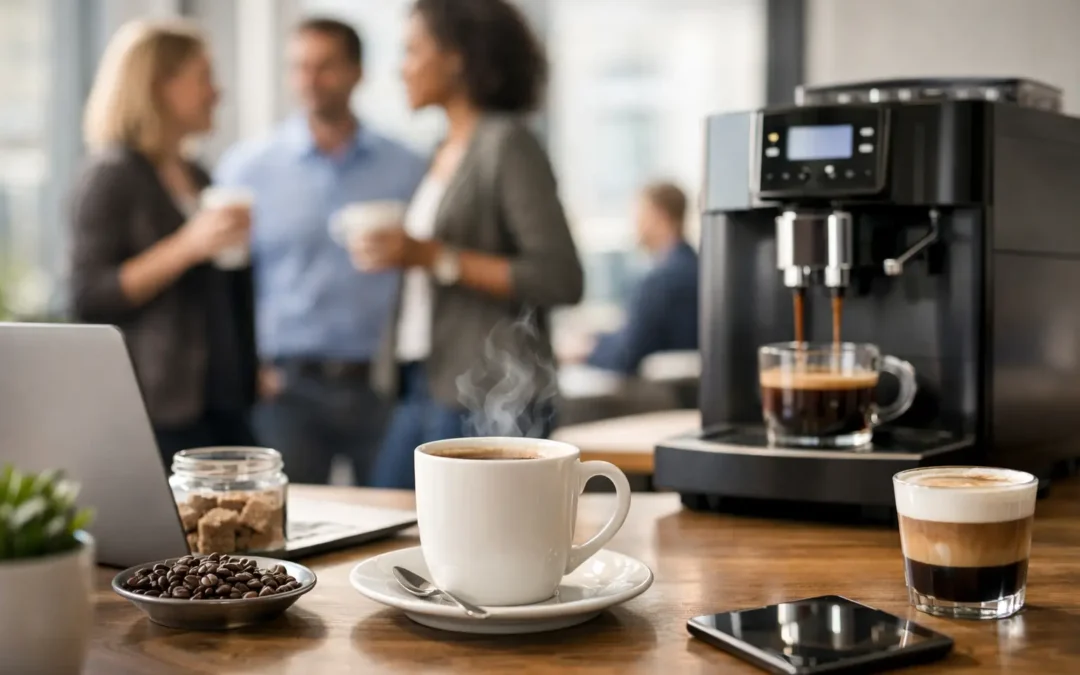
The office coffee station used to be an afterthought: instant coffee, long-life milk and a kettle that had seen better days. Workplace coffee culture trends are changing that picture fast. For many teams, a genuinely good cup is no longer a perk reserved for client meetings. It is part of how people start the day, step away from a demanding task and reconnect with the people around them.
For employers, this shift is less about installing the flashiest machine in the kitchen and more about creating a workplace people enjoy returning to. Freshly brewed coffee brings a little care to ordinary moments. Done well, it can turn a mid-morning lull into a proper pause and make an office feel more human.
Workplace coffee culture trends are becoming people-first
The strongest trend is simple: coffee is being treated as an experience, not just a caffeine delivery system. Employees know the difference between coffee that is technically available and coffee that is a pleasure to drink. They are used to quality from local cafés, and those expectations naturally follow them into the workplace.
That does not mean every business needs a full café fit-out. It means considering what suits the team, the space and the rhythm of the working week. A small studio with ten people may get more value from a regular delivery of freshly roasted beans and a reliable brewer. A larger office may prefer barista service on key collaboration days, all-hands meetings or staff celebrations.
The return to the office has sharpened this thinking. When people can work elsewhere, the office needs to offer more than a desk and Wi-Fi. Thoughtful hospitality, including great coffee, gives people a reason to gather. It creates the kind of informal conversations that rarely happen in a calendar invite.
Better beans, fewer compromises
Specialty coffee is moving beyond the café counter. Teams are asking where their beans come from, when they were roasted and whether the flavour suits how they drink coffee. Freshness matters. Beans roasted in small batches retain more of the aromatics and character that make a flat white, long black or batch brew feel satisfying rather than merely functional.
There is also growing interest in choice. One office may favour a rich, chocolatey blend that works beautifully with milk. Another may have filter coffee drinkers looking for brighter fruit notes and a cleaner finish. Offering a considered house blend alongside a rotating option can keep the coffee program approachable without making it fussy.
Pods still have a place in some workplaces, particularly where space, budgets or staffing are tight. They are quick and predictable. The trade-off is that they can create unnecessary waste and rarely deliver the flavour or ritual of freshly ground coffee. A bean-based setup needs some care, from grinder adjustment to cleaning, but the reward is visible in every cup.
The coffee break is being reclaimed
A good workplace coffee culture does not encourage people to rush back to their screen with a takeaway cup. It makes room for a genuine break. Two people waiting for the grinder to finish often end up discussing a project, sharing an idea or simply checking in with each other. Those small interactions build trust over time.
This is especially valuable for teams split between home and office. On shared office days, coffee can become a natural anchor point. Rather than scheduling another forced social activity, businesses can create an easy moment for connection before a workshop, after a team briefing or during a busy campaign launch.
Leaders set the tone here. If managers model taking a short break, asking someone how their morning is going and enjoying a coffee away from their desk, the team is more likely to see breaks as part of healthy work, not a guilty distraction from it.
Barista carts bring the café to the occasion
Mobile coffee catering is one of the most practical workplace coffee culture trends for businesses that want impact without permanent equipment. A barista cart or coffee van can arrive for an early team meeting, a conference, a staff appreciation morning or a client event, serving café-quality drinks where they are needed.
The appeal goes beyond convenience. The sound of milk being textured, the aroma of freshly ground beans and the chance to order a favourite coffee create energy in a way that trays of lukewarm coffee never will. For event organisers, it also removes a common headache: no stocking milk, no troubleshooting machines and no asking a staff member to play barista between their actual duties.
In Adelaide, a mobile coffee service can be particularly useful for workplaces with outdoor spaces, warehouses, showrooms or event venues without an established café nearby. The best setup depends on guest numbers, timing and access, so it is worth planning coffee service as part of the event flow rather than adding it at the end.
Sustainability is moving from promise to practice
People increasingly notice the waste created by workplace refreshments. Disposable cups, single-use pods and neglected supplies can undermine an otherwise thoughtful staff initiative. The answer is not perfection. It is making practical choices that fit the way the office operates.
Reusable mugs are an easy starting point, especially when they are kept visible and clean. Composting coffee grounds may be possible for some workplaces, while others can reduce waste by ordering beans in sizes that match consumption rather than letting coffee sit stale in the cupboard. Milk preferences matter too. Offering dairy and plant-based options helps more people feel included, but it is sensible to monitor what is actually used before over-ordering.
Ethical sourcing is another part of the conversation. Businesses do not need to turn every coffee break into a lecture, yet choosing a roaster that takes quality and sourcing seriously gives the daily ritual more substance. Great coffee should taste good first. Knowing it has been selected with care is a welcome extra.
How to build a coffee culture people actually use
Start by listening. Ask your team what they drink, when the office is busiest and what frustrates them about the current arrangement. You may find the issue is not a lack of coffee but an unreliable grinder, empty milk fridge or no decent option for visitors.
Then choose a level of service that can be maintained. A high-end machine without a cleaning routine soon becomes disappointing. Fresh beans without the right grinder will not show their best. A simpler setup that is consistently stocked, clean and easy to use will beat an ambitious arrangement that falls apart after a month.
It also helps to separate everyday coffee from special occasions. Everyday coffee should be dependable and welcoming. For moments that deserve more theatre – a project milestone, staff breakfast, product launch or client day – bringing in experienced baristas can make the gesture feel generous without creating ongoing operational work. Lygon Coffee brings freshly roasted beans and café-quality service to those moments, whether the gathering is polished, practical or somewhere in between.
Measure the feeling, not just the cups
Usage figures can be useful, but they are not the whole story. If a coffee station becomes the spot where new starters meet colleagues, visitors feel welcomed and teams pause together, it is doing more than serving drinks. Ask for informal feedback, notice whether supplies are being enjoyed and adjust as the team changes.
The goal is not to make every workplace look like a trendy café. It is to offer a daily ritual with a little more care behind it. Put fresh coffee within reach, create space for people to enjoy it together, and let the next great conversation begin while the milk is steaming.