
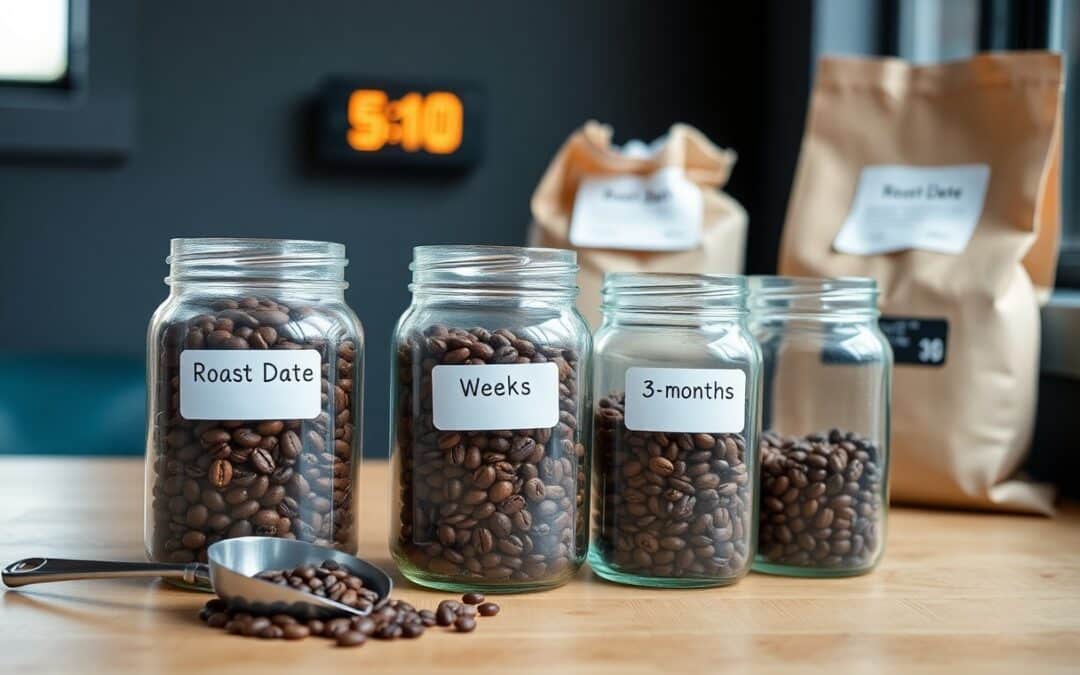
There’s a predictable decline in roasted coffee beans’ flavor: you experience peak freshness about 3-14 days after roasting, acceptable quality for several weeks when stored airtight and cool, and measurable staleness after months.
Key Takeaways:
- Whole beans peak 2-4 weeks after roast as oils and aromatics are freshest; flavor declines steadily after that due to degassing and oxidation.
- Ground coffee loses aroma and taste much faster-best used within minutes to a few days of grinding for optimal flavor.
- Storage matters: keep beans in an opaque, airtight container at room temperature; freeze only well-sealed excess for long-term storage and avoid refrigerating beans.
The Biological and Chemical Aging Process
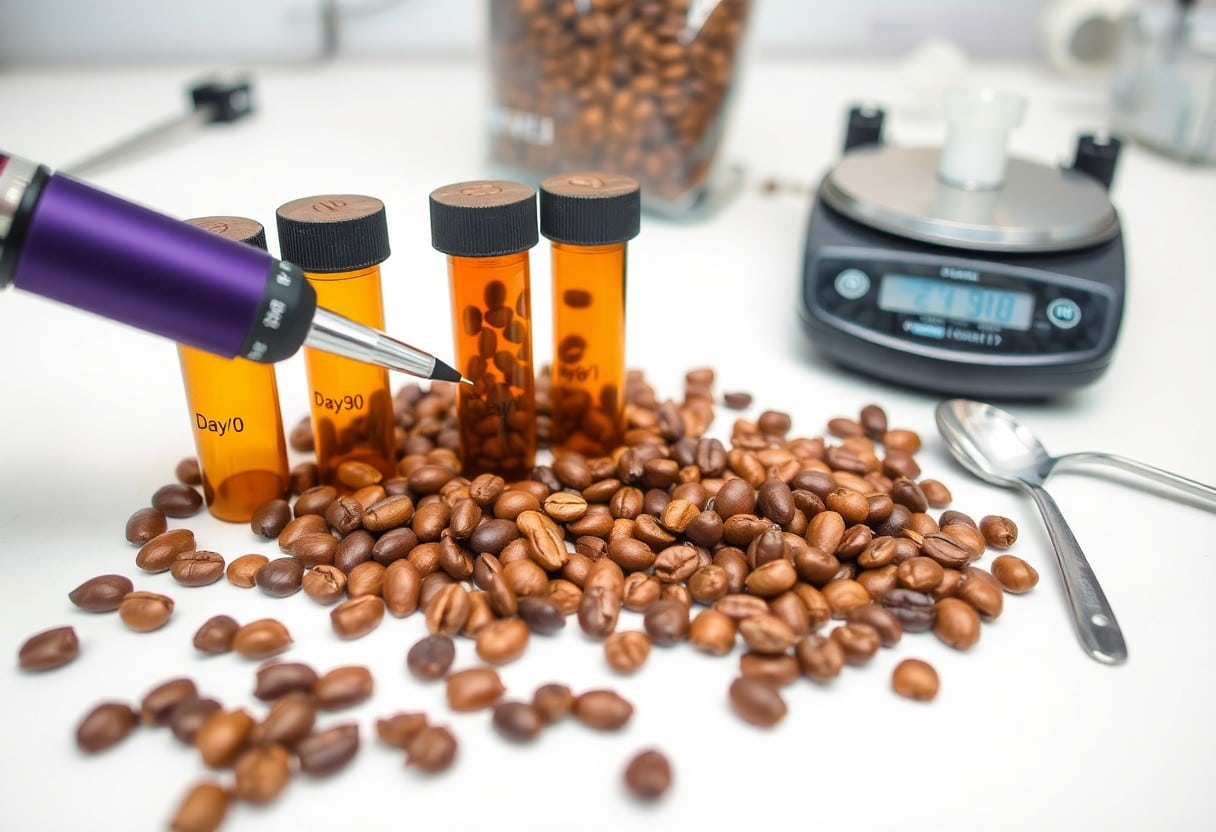
Roasting creates internal chemical shifts that continue after the roast, and you’ll notice beans stabilizing as gases form and aromatics evolve in the days that follow.
Moisture loss and residual enzymes keep altering cell structure, so you should store beans airtight and cool to slow biological activity that dulls flavor.
Carbon Dioxide Release and Degassing
Degassing is the rapid release of carbon dioxide after roasting, peaking in the first 48-72 hours, so you’ll see changes in crema and extraction and may prefer to wait before brewing espresso.
Oxidation and the Breakdown of Volatile Aromatics
Oxygen reacts with lipids and volatile aromatics, causing bright top notes to fade and you to perceive a flatter, less complex cup within weeks of exposure.
Freshness loss from oxidation speeds after grinding because you increase surface area, so you should grind just before brewing to preserve delicate aromatics.
Defining the Peak Freshness Window
Peak freshness for roasted beans typically falls between 4 and 14 days after roast, when volatile aromatics settle but haven’t oxidized, and you’ll notice the fullest flavor.
After about three weeks the rate of aromatic loss increases and you should expect flatter, less nuanced cups as oils oxidize and CO2 levels drop.
Optimal Consumption Timeline for Whole Beans
Within the first two weeks you’ll experience the brightest, most complex notes; many prefer two to four weeks for a balanced body and crema, depending on roast level and brew method.
The Accelerated Degradation of Pre-Ground Coffee
Grinding dramatically increases surface area, so you lose volatile aromatics within minutes to hours and must brew pre-ground coffee quickly to avoid stale, flat flavors.
Because oxygen, moisture, heat and light act faster on grounds, you will see slower degradation only if the grounds are vacuum-sealed and refrigerated, yet they still won’t match whole-bean freshness.
Exposure to air after opening causes the steepest decline in aroma; you can limit loss by dividing grounds into small airtight containers and keeping them cool and dark, but the best cup comes from grinding immediately before brewing.
Environmental Catalysts of Staleness
Airborne exposure, humidity and light combine to sap beans of their peak flavors, so you’ll notice diminished aroma and mouthfeel faster if storage is lax. Treat storage as intentional: sealed, cool, and dark keeps peak flavor longer.
The Impact of Oxygen and Moisture
Oxygen oxidizes oils and volatiles, causing stale, cardboard-like notes once the bag is opened; you should reseal or transfer beans to an airtight container immediately. Moisture disrupts roast chemistry and can promote off-flavors or spoilage, so keep beans dry and low-humidity.
Thermal Fluctuations and UV Light Exposure
Temperature swings force beans to expand and contract, pushing oils outward and accelerating rancidity if you store them near heat sources; you’ll want a stable, cool spot away from appliances. Sudden heat spikes are worse than steady cool warmth.
Sunlight and UV specifically bleach aromatic compounds and speed chemical breakdown, so transparent packaging in bright areas rapidly dulls flavor; you should choose opaque, UV-blocking containers and avoid windowsills. For long-term freshness, keep beans in small, single-use portions and replenish from a larger, sealed reserve.
Deciphering Packaging and Roast Dates
Packaging often shows a “roasted on” date that tells you when beans left the roaster; you’ll find “use by” or “best by” elsewhere as a retailer guideline. Check roast dates and storage guidance via Storage and shelf life – NCA to compare claims and set realistic expectations for peak flavor.
The Significance of “Roasted On” vs. “Use By” Labels
Labels like “roasted on” let you judge how close beans are to peak development, while “use by” reflects a vendor’s suggested window for quality. You should prioritize roast date when buying; use-by dates are conservative and can vary by packaging, roast level, and bean type.
Functionality of One-Way Degassing Valves
Valves let CO2 escape after roasting without letting oxygen in, so you can keep beans sealed while off-gassing. You can rely on valves to reduce bag bloating and limit oxidation early on, but they don’t stop aroma loss once the bag is opened.
One-way valve performance depends on roast age and bean type; you should store opened bags in airtight containers away from heat and light to preserve freshness once degassing subsides.
Sensory Methods to Identify Stale Beans
Sensory inspection helps you detect stale beans before brewing. You can use focused sniffing, quick tastings, and visual checks during extraction to judge whether beans will yield vibrant flavors or flat, lifeless coffee.
Use a consistent routine-sniff, grind, and pull a small shot-to compare batches; stale beans often smell muted and produce dulled acidity with a flat, lingering finish.
Olfactory Cues and Flavor Profile Changes
When you inhale the aroma of fresh beans you’ll notice distinct floral, fruity, or nutty notes; stale beans shift toward cardboard, mustiness, or an overly roasted, one-dimensional scent. You’ll also taste changes: diminished brightness, muted sweetness, and emerging bitterness or weird off-notes that signal age-related degradation.
Visual Indicators During the Brewing Bloom
Observe the bloom as you wet the grounds: fresh beans release a vigorous, even foam from CO2, while stale beans show a weak, delayed, or patchy rise that foreshadows uneven extraction. You can use this quick visual test to decide whether to proceed or switch beans.
Watch for crema and oil behavior during extraction; you’ll see a glossy, persistent crema with fresher beans, whereas pale, thin crema and rapid collapse usually indicate lost volatiles and degraded oils, translating to flatter cup quality.
Professional Storage Standards
Storage of roasted beans at stable, cool temperatures and low humidity preserves the volatile compounds you want to keep. You should keep whole beans and grind only when needed to maintain peak flavor for the first two to four weeks after roast under proper conditions.
Aim to rotate stock using first-in, first-out practices so you use fresher batches and avoid older, stale lots. You should note roast dates, order smaller quantities, and position containers away from heat and direct sunlight.
Selecting Airtight and Opaque Containers
Choose opaque, airtight containers-stainless, ceramic, or dark glass with tight seals-to block light and limit oxygen exposure. You can leave beans in their one-way valve bag and place that bag inside a secondary opaque canister for added protection.
The Efficacy of Freezing and Long-Term Preservation
Freezing properly sealed portions can slow staling reactions and extend usable life for months, but you should portion before freezing to avoid repeated thaw cycles. You must remove as much air as possible and use heavy-duty, air-tight packaging to prevent freezer burn.
When you thaw a frozen portion, leave it sealed at room temperature until condensation clears, then use it within a few days and never refreeze; you will notice some loss of brightness compared with fresh roasts, so reserve freezing for long-term reserves rather than daily supply.

Summing up
Upon reflecting you understand that bean freshness hinges on roast date and storage: whole beans deliver peak flavor roughly 2-4 weeks after roasting, while ground coffee loses aromas within days. You can preserve quality by buying smaller quantities, storing beans in an opaque, airtight container away from heat, light, and moisture, and freezing only surplus for long-term storage. You will brew better cups when you focus on fresh roast dates and consistent storage practices.

FAQ
Q: What does “freshness” mean for coffee beans?
A: Freshness describes the presence of volatile oils and aromatic compounds produced during roasting, along with the beans’ ability to release CO2 (degassing). Fresh beans have a lively aroma, pronounced flavor clarity, and stable crema for espresso. Staleness appears as muted aroma, flat taste, and off-notes from oxidation or rancidity.
Q: How long do whole roasted beans really stay fresh?
A: Whole beans reach peak flavor typically between 3 and 14 days after roast, depending on roast level and brew method. When stored in an airtight, opaque container at room temperature, most whole beans remain good for 2-4 weeks after opening for optimal taste. Unopened, vacuum-sealed or one-way-valve bags can hold acceptable quality for 1-3 months at pantry conditions; freezing in portioned airtight bags can extend usability to 6-12 months with careful handling.
Q: How long does ground coffee stay fresh compared with whole beans?
A: Ground coffee loses volatile aromas much faster than whole beans because of increased surface area. Noticeable aroma loss can occur within hours; meaningful flavor degradation shows within a few days. For best results, grind immediately before brewing. If preground must be stored, keep it in an airtight container and expect decent flavor for 1-2 weeks, with quality falling off after that.
Q: Does freezing coffee preserve freshness, and how should it be done?
A: Freezing can preserve roasted beans longer when performed correctly: divide beans into small, airtight, moisture-proof portions and freeze once. Keep portions sealed until use and thaw sealed at room temperature to avoid condensation. Avoid repeated refreezing. Freezing grounds increases risk of moisture pickup and aroma loss, so freezing whole beans is preferred.
Q: Which is more useful on a bag: roast date or best-by date?
A: Roast date provides the most accurate indicator of when beans began to age and lets you track peak windows for your brewing style. Best-by dates are often set by retailers and may be conservative; those dates indicate shelf stability rather than peak flavor. Choose beans with a clear roast date for consistent timing of peak freshness.
Q: How can I tell if coffee beans are stale or rancid?
A: Stale beans smell flat, papery, or muted and taste dull with missing acidity and sweetness. Rancid beans emit an unpleasant oily or paint-like smell and produce sour or bitter off-flavors. Visible mold, a wet smell, or an odd chemical odor indicates spoilage and those beans should be discarded.
Q: What are the best home storage practices to keep beans fresh longer?
A: Store beans in their original one-way valve bag while unopened, then transfer to an opaque, airtight container once opened and use within 2-4 weeks. Keep containers in a cool, dark, dry place away from heat, sunlight, and strong odors. Grind only what you need before brewing and portion for freezing if you plan long-term storage, avoiding the refrigerator.