
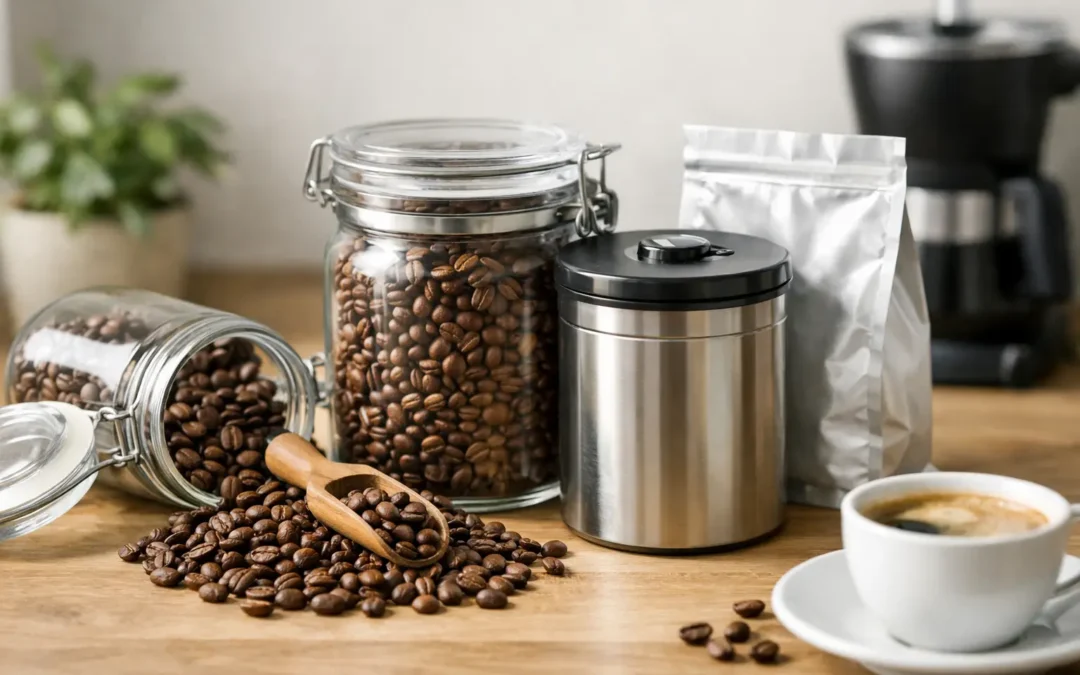
That bright, chocolatey aroma that fills the kitchen when you open a new bag of coffee is not just a nice extra. It is a sign that your beans are carrying the volatile oils and gases that give a coffee its sweetness, body and personality. Learning how to keep beans fresh means protecting those qualities long enough for every morning brew to taste as intentional as the roast.
The good news is that fresh coffee storage is simple. The less helpful news is that many common habits – leaving beans in a hopper, topping up an old container or storing a bag beside the kettle – quietly flatten flavour. A few small changes can make your home or workplace coffee noticeably richer.
Freshness starts before storage
Coffee beans begin changing the moment they leave the roaster. During roasting, the beans develop hundreds of aromatic compounds and release carbon dioxide. In the first few days after roasting, they are still settling and degassing. After that, they generally enter a delicious brewing window where the flavours become more balanced, expressive and easy to extract.
There is no single perfect day for every coffee or brew method. Espresso often benefits from a little more rest than filter coffee, while a lighter roast may open up more gradually than a darker one. As a useful rule, enjoy whole beans within roughly four to six weeks of their roast date for their most vivid character. They will not suddenly become bad after that point, but the fruit notes, caramel sweetness and aromatic lift can fade.
This is why buying freshly roasted coffee in amounts you can actually use matters more than finding a miracle storage container. For most households, a bag that lasts two to three weeks is a comfortable rhythm. For a busy office, work out how many cups are brewed each week and order to suit that pace rather than stockpiling months of beans.
The four things that dull coffee
Coffee has four main enemies: oxygen, heat, light and moisture. Each can strip away something you want in the cup.
Oxygen gradually oxidises the oils in roasted coffee, reducing aroma and leaving flavours muted or papery. Heat speeds up that process, which is why the cupboard above the oven is a poor home for your beans. Light, particularly direct sunlight, can also degrade flavour over time. Moisture is the troublemaker that can cause clumping, stale smells and, in extreme cases, mould.
Ground coffee is even more vulnerable. Grinding creates far more surface area, so oxygen can get to work quickly. If you love a fragrant, full-bodied flat white or a clean, lively filter brew, buy whole beans and grind only what you need immediately before brewing.
How to keep beans fresh at home
Start with the bag. Quality coffee bags are designed for the job: they are opaque, resealable and often fitted with a one-way valve. That valve lets carbon dioxide escape without letting much oxygen in. If the bag seals properly and is stored in a cool, dark cupboard, it is often all you need.
If you prefer a canister, choose one that is airtight, opaque and appropriately sized. The key is not simply transferring beans into a beautiful container. Every time you open a large canister, fresh air replaces the air around the beans. A container that holds a fortnight or so of coffee is usually more practical than one enormous jar that is opened daily for months.
Keep the beans away from the bench if it catches afternoon sun, and away from the dishwasher, cooktop and kettle. A pantry or closed cupboard at room temperature is ideal. Coffee does not need special treatment, but it does need a stable environment.
It is also worth resisting the urge to pour new beans over the last handful of old ones. Empty the container, wipe it clean and dry, then add the new coffee. Old oils can cling to the inside and lend a stale edge to a fresh roast. This small reset is especially useful for office coffee stations and frequently used home grinders.
Leave the beans whole until brew time
A grinder is one of the biggest upgrades available to a coffee routine, because it gives you control over freshness as well as grind size. Dose the amount you need, grind it, then brew straight away. For espresso, that may mean weighing a dose for each shot. For a plunger or batch brew, grind only enough for that pot.
Pre-ground coffee still makes sense where speed, accessibility or limited equipment is the priority. If that is your setup, buy smaller packs and keep them tightly sealed. Expect a shorter flavour window, and avoid decanting it into a clear jar on the bench.
Should you freeze coffee beans?
Freezing can work well, particularly when you have bought several bags of a coffee you genuinely want to preserve. It is not necessary for the bag you are opening this week, but it is a practical option for protecting unopened or portioned beans from long-term flavour loss.
The important detail is portioning. Divide beans into airtight, freezer-safe bags or containers in amounts you will use over a few days. Remove as much air as possible, label the coffee and date, then freeze. When you are ready, take out one portion and let it come to room temperature before opening it. That helps prevent condensation from forming on the beans.
Do not repeatedly open one large frozen bag, scoop out a dose and put it back. Temperature changes and moisture are exactly what you are trying to avoid. For most coffee drinkers, the pantry is best for the current bag and the freezer is a useful backup for unopened extras.
Avoid these well-meaning storage mistakes
The fridge is not the answer. Refrigerators are humid, full of odours and subject to regular temperature changes. Coffee is porous enough to pick up unwanted aromas, and no one wants their carefully roasted beans tasting faintly of last night’s leftovers.
Clear glass jars look great, but they need to live inside a dark cupboard. On a sunny bench, they expose beans to light and warmth every day. Similarly, a grinder hopper is convenient for a café-style setup, yet it is not a long-term storage solution. Keep only a day or two of beans in the hopper, especially if it sits near a window.
Buying in bulk can save time and delivery costs, but only if you can store the extra coffee properly. A better approach is to buy several smaller sealed bags, keep one in the cupboard and freeze the rest in portions. You get convenience without sacrificing the expressive flavours that made you choose specialty coffee in the first place.
Match your coffee routine to your storage routine
Freshness should feel easy, not fussy. A household making two coffees a day may be happiest with a 250 g bag, stored in its original bag inside a cupboard and finished within a couple of weeks. A workplace that puts through several kilograms each month may benefit from smaller containers at the brew station, with reserve stock sealed and stored away from heat.
For event organisers and office managers, this matters more than it might seem. Great beans can only deliver their best when the final brew is treated with the same care as the roasting. If coffee is supplied for staff, guests or a special activation, plan quantities around realistic consumption and keep reserve bags sealed until needed. That way the first cup and the last cup have the same welcoming aroma.
At Lygon Coffee, freshness is part of the experience from roast to pour. But the final piece happens in your kitchen, office or event space: store your beans well, grind with purpose and give each brew the chance to tell the story it was roasted to tell.
Tomorrow morning, take a look at where your coffee lives. A cool cupboard, a properly sealed bag and a fresh grind may be all that stands between an ordinary cup and the kind of coffee ritual you look forward to.