
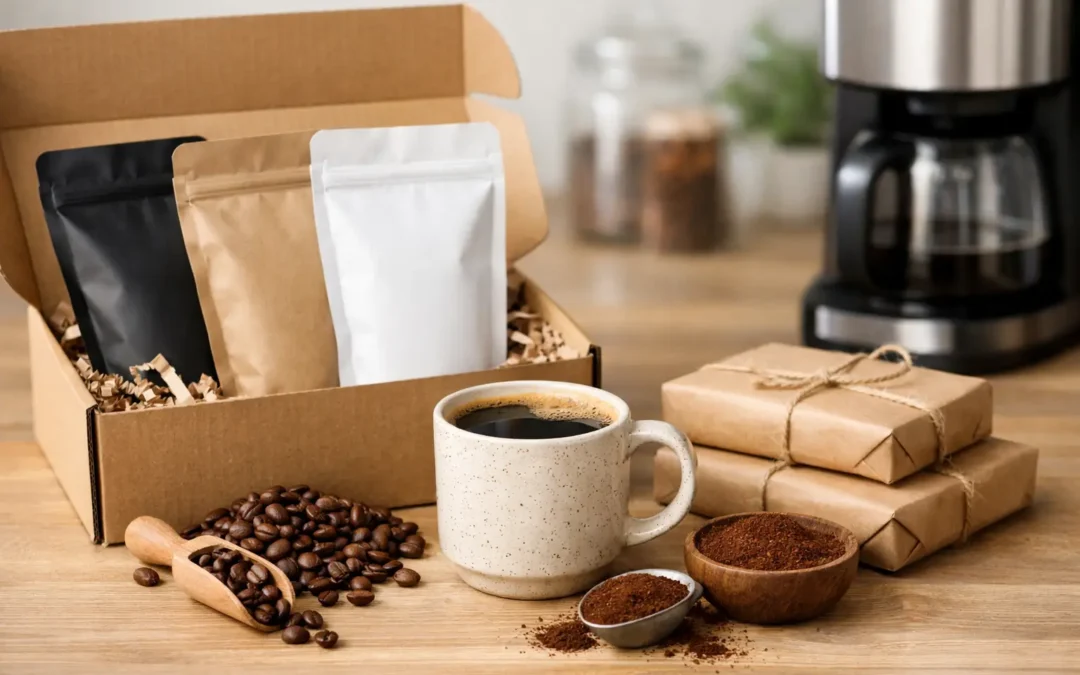
If you have ever opened a bag of beans and realised they went stale before you got through half of it, you have already bumped into the real question behind are coffee subscriptions worth it. It is not just about convenience. It is about whether fresh, well-roasted coffee can land at your door at the right pace, for the right price, and actually suit the way you drink it.
For some people, a subscription is one of the easiest upgrades they can make to their daily ritual. For others, it becomes another recurring charge and a cupboard full of coffee they are trying to catch up on. The difference usually comes down to freshness, flexibility and how predictable your coffee habits really are.
Are coffee subscriptions worth it for everyday drinkers?
If you make coffee at home most mornings, there is a strong case for it. Specialty coffee is at its best when it is fresh, and a subscription can take the guesswork out of remembering to reorder. Instead of grabbing whatever is left on a supermarket shelf, you are getting beans roasted with flavour in mind and delivered while they are still lively, aromatic and full of character.
That freshness matters more than most people think. Coffee is an agricultural product, and once it is roasted, the clock starts moving. A great subscription helps close the gap between roast day and brew day. That can mean brighter fruit notes in a filter coffee, deeper chocolate and caramel in espresso, and a more consistent cup overall.
There is also the practical side. If you are busy, running a household, managing an office, or just trying to avoid a last-minute bean emergency on Sunday morning, a subscription adds a level of reliability that one-off ordering does not always offer. Good coffee simply turns up, and your routine keeps moving.
Where the value really comes from
People often look at subscriptions through one lens only – price. Fair enough. But value is usually a mix of cost, quality and convenience.
If a subscription gives you fresher beans than you would otherwise buy, that is part of the value. If it saves you repeated ordering time, that counts too. If it helps you brew café-quality coffee at home or in the workplace without relying on stale beans or pod machines, that is where the maths starts to look more interesting.
For regular coffee drinkers, making better coffee at home can also shift spending away from daily café visits. That does not mean replacing every coffee run – plenty of us still love the full café experience – but it can make your weekday routine feel a lot more satisfying. A well-pulled shot from fresh beans at home is not just cheaper per cup. It is often a better cup than people expect.
That said, not every subscription is automatically good value. Some are built around novelty, some around convenience, and some around genuinely excellent coffee. The best ones balance all three without locking you into a setup that feels rigid.
When a coffee subscription makes perfect sense
Subscriptions tend to work best for people with fairly steady habits. If you know you go through a bag every couple of weeks, or your office kitchen burns through beans on a reliable schedule, a recurring delivery fits neatly into that rhythm.
They also suit people who care about freshness but do not want the admin. You want premium beans on hand, not a reminder in your calendar to reorder. That is especially useful for workplaces trying to lift their coffee standard without making someone chase supplies every month.
Another sweet spot is coffee drinkers who want to explore without getting overwhelmed. A good subscription can introduce new blends or seasonal coffees at a pace that feels enjoyable rather than random. You still get variety, but with curation behind it.
For a local roaster, subscriptions can also mean a closer connection between customer and coffee. You are not pulling a dusty bag from a warehouse shelf. You are getting something chosen, roasted and sent with a bit more care. That difference shows up in the cup.
When are coffee subscriptions worth it less often?
There are plenty of cases where the answer is no, or at least not right now.
If you drink coffee sporadically, a subscription can quickly outpace your actual use. The same applies if your household switches between beans, pods, instant and café coffees depending on the week. You may love the idea of a subscription but end up with too much stock and not enough consistency to justify it.
It can also be a poor fit if the service is inflexible. If you cannot skip, pause or change your frequency easily, what should feel convenient starts feeling like clutter. Fresh coffee is only valuable if you can use it while it still tastes its best.
Then there is preference. Some coffee drinkers simply enjoy choosing each bag as they go. They like reading tasting notes, trying something different every month, or buying beans around a particular brewing mood. For them, the freedom of ad hoc ordering is part of the fun.
The hidden trade-off: convenience versus control
This is the part many articles gloss over. The appeal of subscriptions is that they reduce friction. The risk is that they also reduce attention.
If your tastes are changing, or your brewing method shifts from espresso to filter, your regular delivery may no longer be the best fit. A blend that was perfect in winter milk coffees might not be what you want for brighter black brews in summer. Convenience works beautifully when your preferences stay stable. When they do not, flexibility becomes the whole game.
That is why the strongest subscriptions are not just recurring deliveries. They give you control over grind, frequency, quantity and coffee style. Ideally, they also make it easy to pause if you are travelling or still working through your last bag.
What to look for before signing up
The first thing is roast freshness. If a subscription does not clearly care about fresh roasting, it misses the point. You want coffee that arrives with life in it, not coffee that has spent ages sitting around before dispatch.
The second is flexibility. Can you adjust the timing? Swap coffees? Skip a shipment? These are not bonus features. They are what make a subscription useful in real life.
The third is whether the coffee itself suits your palate. Some people want a dependable blend that performs beautifully every morning. Others want rotating single origins and a bit more adventure in the cup. Neither is better. What matters is whether the service matches how you actually drink coffee.
Price matters too, but compare like for like. Cheap coffee is not cheap if it tastes flat and ends up half-used in the pantry. A slightly higher spend on fresh, small-batch beans can deliver far better value if the quality is there and the quantity is right.
Home, office and gifting – different use cases, different answers
At home, subscriptions are usually about ritual. You want great beans ready for the morning, without a scramble to restock. In an office, the calculation is more operational. Reliable deliveries, consistent quality and less equipment compromise can noticeably improve the workday.
For gifting, subscriptions can be excellent when the recipient already loves brewing coffee. They offer a steady stream of enjoyment rather than a one-off novelty. But if you are not sure how often someone drinks coffee, a single bag or shorter plan can be the safer move.
For businesses and households alike, the best subscription is one that fits consumption honestly. Aspirational ordering sounds good until the third unopened bag is staring at you from the shelf.
So, are coffee subscriptions worth it?
Often, yes – if you drink coffee regularly, care about freshness and want one less thing to think about. They are especially worthwhile when the service is flexible and the coffee is genuinely good, not just conveniently packaged.
But they are not magic. If your habits are unpredictable, your tastes change constantly, or you simply enjoy choosing beans as you go, a subscription may be more commitment than benefit. The smartest approach is not asking whether subscriptions are universally worth it. It is asking whether they suit your pace, your palate and your daily routine.
Coffee should feel like a pleasure, not a backlog. If a subscription helps every cup arrive fresher, easier and more enjoyable, it is doing exactly what it should.