

It’s easy to overlook how oxygen strips aroma and oils from roasted beans, so you should control exposure and storage to preserve flavor and freshness.
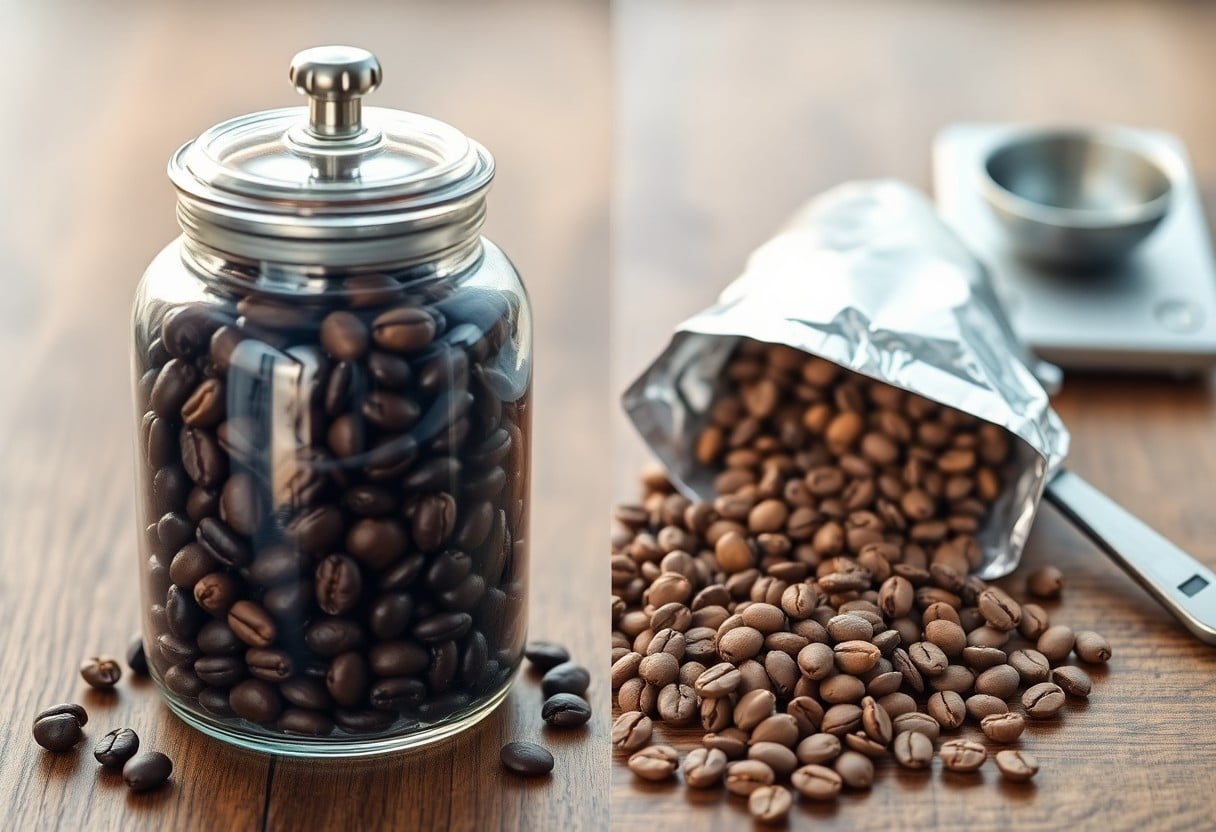
Key Takeaways:
- Oxidation breaks down coffee oils and aromatic compounds, producing aroma loss and stale or rancid flavors.
- Exposure to oxygen, light, heat, and moisture speeds deterioration; airtight, opaque packaging and nitrogen flushing with a one-way valve slow the process.
- Roast level and grind size influence oxidation rates: darker roasts and finer grinds age faster, so store whole beans in a cool, dry, dark place to preserve freshness.
Identifying the Warning Signs of Stale Beans
Signs of oxidation include muted aromatics, a dusty or papery smell, and a flat finish, and you will notice less distinction between the tasting notes you once recognized.
Watch for oily surfaces on darker roasts, uneven coloration, and puffed packaging; you should check roast dates and storage conditions before assuming extraction technique is the issue.
The Absence of the Extraction Bloom
Lack of a lively bloom during pour-over or espresso pre-infusion means CO2 has dissipated, so you may get weak crema, slower degassing, and poorer extraction control that flattens the cup.
Shifts in Acidity and Flavor Clarity
Acidity will often flatten as oxidation progresses, leaving you with muddled flavors where bright fruit or floral notes once provided clarity and lift.
Mouthfeel and aftertaste can turn heavy or dulled, so you might detect sugary or fermented notes replacing crispness; consider freshness as the likely cause before changing dose or grind.
Environmental Factors Accelerating Decay
Moisture and ambient oxygen work together to speed chemical breakdown in your stored beans, dulling aroma and accelerating oil oxidation.
- High temperatures increase reaction rates
- Excess humidity promotes hydrolysis and mold
- Air exposure enables rancidity
This means you should keep beans cool, dry, and sealed to slow flavor loss and preserve bean vitality.
Heat and Humidity as Chemical Catalysts
Heat raises reaction kinetics, so your beans’ lipids oxidize faster while humidity enables hydrolytic reactions that blunt sweetness and mouthfeel.
The Destructive Impact of UV Exposure
Sunlight exposes your beans to UV photons that trigger photochemical breakdown of aromatics, leaving you with flatter, harsher cups.
Ultraviolet radiation depletes natural antioxidants in the beans, so you encounter accelerated aroma loss and increased off-notes when storage is light-exposed.
Shielding beans with opaque, light-blocking containers and storing them away from windows helps you retain fragile aromatic compounds and extend freshness.
The Ground Coffee Vulnerability
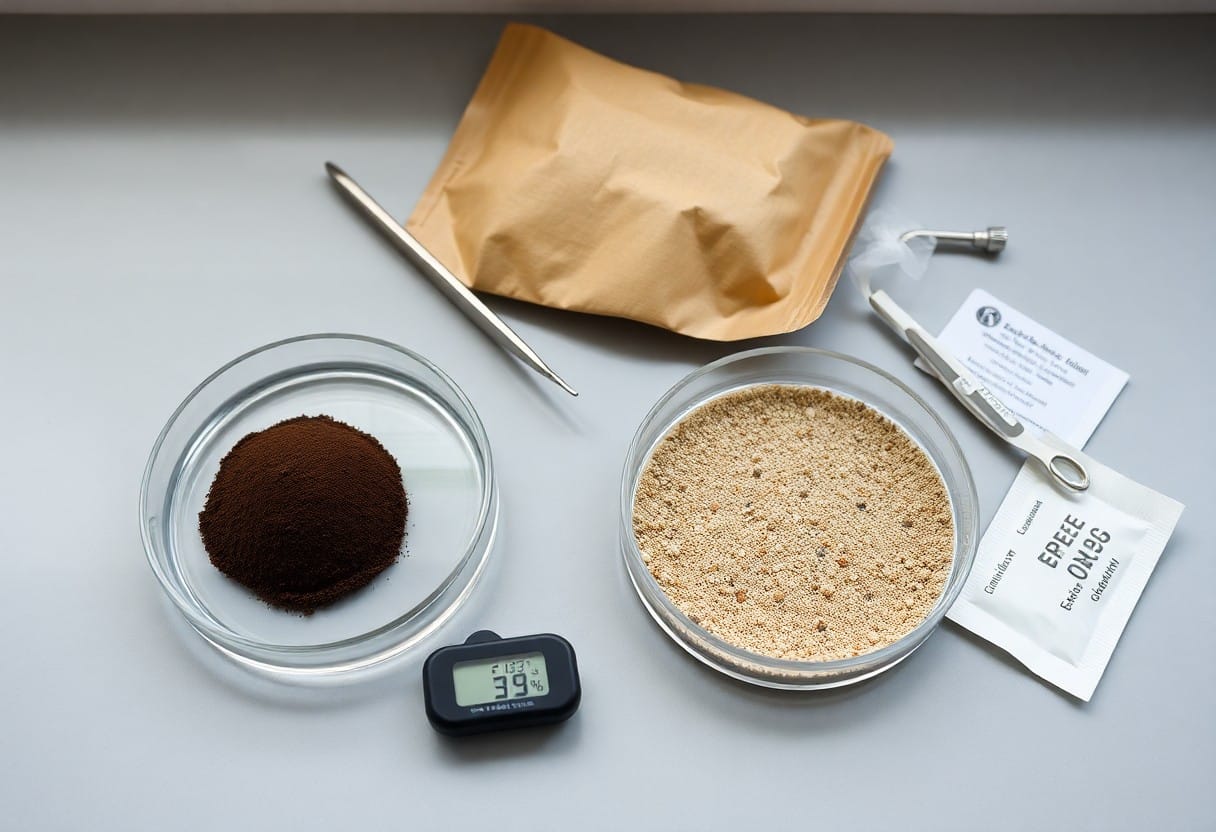
Ground coffee exposes oils and aromatic compounds to oxygen, so you notice flavor and aroma decline within minutes after grinding.
Oxygen reacts with lipids and aromatics, meaning you lose bright acidity and floral notes while stale off-flavors develop even if beans were fresh.
Surface Area and Rapid Gas Exchange
Surface area multiplies when beans are ground, increasing gas exchange so you accelerate loss of volatiles and speed staling as more molecules escape or oxidize.
Advantages of On-Demand Grinding
Grinding on-demand minimizes the time oils and aromatics sit exposed, so you extract fuller, truer flavors when you brew immediately.
You can match grind size to your method and avoid the flatness of pre-ground coffee, which preserves nuanced sweetness, clarity, and aroma in each cup.
Strategies for Preserving Bean Integrity
Storage choices determine how quickly your beans oxidize; you should use opaque, airtight containers that block light and limit oxygen contact, and portion beans so you only open small amounts at a time.
Vacuum Sealing and Airtight Solutions
Vacuum sealing removes air to slow oxidation, so you can retain aromatic oils longer; you should favor bags or canisters with one-way valves and avoid compressing beans, which can bruise the roast.
Proper Placement and Climate Control
Placement away from heat, sunlight, and moisture helps you prevent rapid flavor loss, so store containers in a cool, dark cabinet rather than near ovens or windows.
Maintain stable conditions-roughly 15-20°C and under 50% relative humidity-so you reduce staling; if your environment is humid, use desiccant packs designed for food storage.
The Lifecycle of Coffee Freshness
Roasting forces CO2 and volatile aromatics from beans, and you should track roast date while planning grind and brew timing to capture that narrow window before oxidation dulls nuance.
Storage choices – sealed bags, one-way valves, cool dark spots – determine how quickly oxygen and moisture sap oils and aromatics, so you pick packaging and portioning to slow flavor loss.
Post-Roast Degassing Timeframes
Post-roast degassing varies by roast level and bean density, and you typically see peak CO2 release in 24-72 hours with lighter roasts off-gassing longer.
Timing influences extraction outcomes: you risk underdeveloped acidity if you brew too soon and muted sweetness if you wait too long, so you test within a 3-14 day window for your preferred method.
Testing for Residual CO2 Retention
Testing residual CO2 helps you predict bloom and crema; simple jar-shake checks or handheld analyzers show how much gas remains and whether beans are brew-ready.
Measure gas release by sealing a sample and monitoring pressure change or weight loss over hours, and you correlate those readings with sensory notes to refine rest periods.
Consider logging results across batches and origins so you learn degassing patterns and adjust rest times to produce consistent cup profiles for your brewing styles.
Conclusion
You must monitor oxidation to preserve bean freshness; exposure alters oils and aromatic compounds, reducing flavor and crema. You can minimize damage by controlling storage-use airtight containers, limit oxygen, and roast-to-serve timing-to maintain aroma and soluble quality. You will notice brighter cups when oxidation is controlled, showing that vigilant handling protects coffee bean longevity and sensory impact.
FAQ
Q: What is oxidation and how does it affect coffee beans?
A: Oxidation is a chemical reaction between coffee compounds and oxygen that alters flavor and aroma. Oils and volatile aromatics break down, causing loss of brightness, muted acidity, and the development of stale or rancid notes. Color and crema can change as oils polymerize and degrade.
Q: How quickly do roasted beans oxidize?
A: Oxidation begins immediately after roasting as beans release carbon dioxide and expose fresh surfaces. Ground coffee shows measurable aroma loss within minutes to hours and often tastes noticeably stale within a day. Whole beans stored properly can retain peak flavor for about one to two weeks, with gradual decline over several weeks.
Q: What sensory signs indicate oxidation has sabotaged my coffee?
A: Loss of aroma, a flat or dull taste, muted acidity, and increased bitterness signal oxidation. Oily or cardboard-like off-odors and a thin or lifeless mouthfeel also appear as oxidation progresses. Reduced crema on espresso is another common sign.
Q: Do whole beans resist oxidation better than ground coffee?
A: Whole beans resist oxidation better because they present less surface area to oxygen. Grinding exposes interior oils and aromatics, accelerating volatile loss and rancidity. Brewing from freshly ground whole beans preserves far more of the original profile.
Q: Which storage methods slow oxidation most effectively?
A: Airtight, opaque containers stored in a cool, dry place slow oxidation by limiting oxygen, light, and heat exposure. Packaging flushed with nitrogen, vacuum sealing, or using oxygen-absorbing packets further reduces oxygen contact. Avoid clear containers, frequent opening, and refrigeration that introduces moisture and odors.
Q: Can oxidation damage be reversed once beans taste stale?
A: Most oxidation-driven flavor loss is irreversible because volatile compounds and oils have chemically changed. Minor freshness can be masked by stronger roast levels or blending with fresher beans, but the original aromatic complexity cannot be fully restored. Re-roasting usually worsens off-flavors rather than fixing them.
Q: Do any treatments or additives prevent oxidation without harming flavor?
A: Industry-standard approaches such as nitrogen flushing, vacuum packaging, and using one-way valves prevent oxidation without altering flavor. Natural antioxidants in green beans decline during roasting, so adding external antioxidants is uncommon and risks changing taste. Proper packaging and fast consumption remain the most reliable protection.