
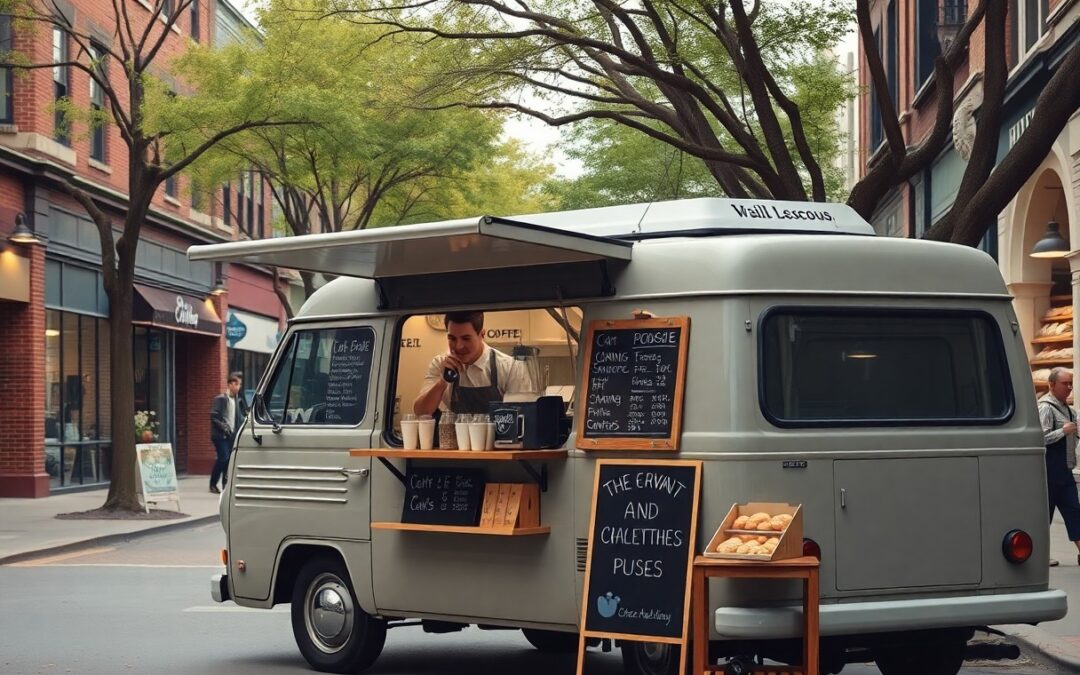
Many aspiring operators overlook startup costs; you should plan budgets, choose a high-traffic spot, craft a focused menu, obtain permits, and run targeted local marketing to convert customers and grow a profitable coffee van or boutique café in your hometown.
Key Takeaways:
- Confirm local demand and define your customer: survey neighbors, map peak foot-traffic spots and events, and identify competitor gaps to decide between a mobile van or a small café location.
- Build a concise business plan with startup and operating costs (vehicle or lease, equipment, permits, staff), pricing that covers margins, and a break-even timeline with a contingency fund for repairs and slow weeks.
- Design a focused menu with a few high-margin favorites, streamline prep and ordering, train staff for consistent quality, and market through local partnerships, event pop-ups, social media, and a simple loyalty program.
Conducting Local Market Research and Feasibility Studies
Survey local foot traffic, event schedules and daily routines so you can identify high-opportunity streets, office clusters and weekend markets for a van or boutique café. You should run brief surveys, test price sensitivity, and confirm zoning and permit requirements to validate feasibility before committing funds.
Identifying your target demographic and competitor landscape
Map your ideal customers by age, income and routines to determine peak hours and product preferences. You should visit nearby cafés and vans, note menus, price points, service times and gaps you can fill with a unique offer.
Evaluating financial factors for initial startup costs
Check all startup cost categories including equipment, fit-out or van conversion, permits, initial inventory and marketing so you can build a realistic budget. You should model monthly overheads-rent or parking fees, wages, utilities and supplies-and calculate daily sales needed to reach break-even.
- Estimate one-time purchases: espresso machine, grinder, van fit-out or café build-out.
- Project recurring costs: inventory, wages, insurance, permits and vehicle maintenance.
- After you set assumptions, run conservative, moderate and optimistic sales scenarios to find payback timelines.
Estimate a cash buffer to cover at least three months of negative cash flow and create sensitivity scenarios for slow and peak seasons. You should compare financing options-loans, leasing, or partner capital-and define a clear timeline to profitability.
- Set a reserve equal to 10-30% of startup cost for unexpected expenses.
- Compare loan rates, grant opportunities and supplier credit terms to reduce upfront strain.
- After choosing a funding mix, schedule monthly checkpoints to track burn rate and adjust pricing or hours.
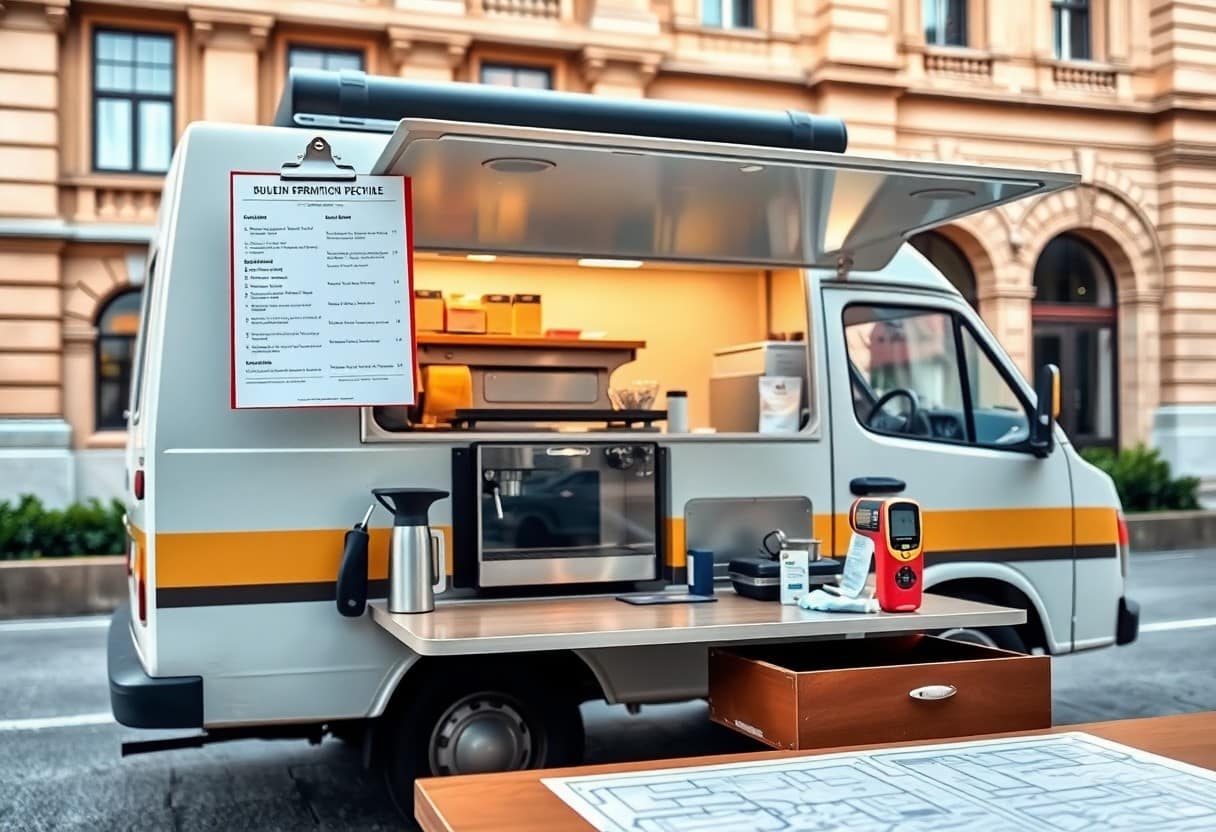
Navigating Legal Requirements and Health Regulations
Local regulations vary by county and city, so you must check zoning, mobile vending rules and building codes before signing a lease or converting a van.
Plan to register your business, obtain an EIN, secure liability and product insurance, and create a calendar for permit renewals and inspections to avoid fines or closures.
How-to secure necessary business licenses and permits
You should contact your city clerk or county business office to list required licenses for a coffee van or boutique café, complete applications promptly, and budget for permit fees and inspection windows.
Maintaining strict compliance with local food safety standards
Follow your health department’s temperature, storage and sanitation rules, display required permits visibly, and schedule pre-opening inspections to address any corrective actions early.
Train staff in handwashing, allergen handling and safe beverage preparation, and keep written records of temperature logs, cleaning checklists and training certificates to present during inspections.
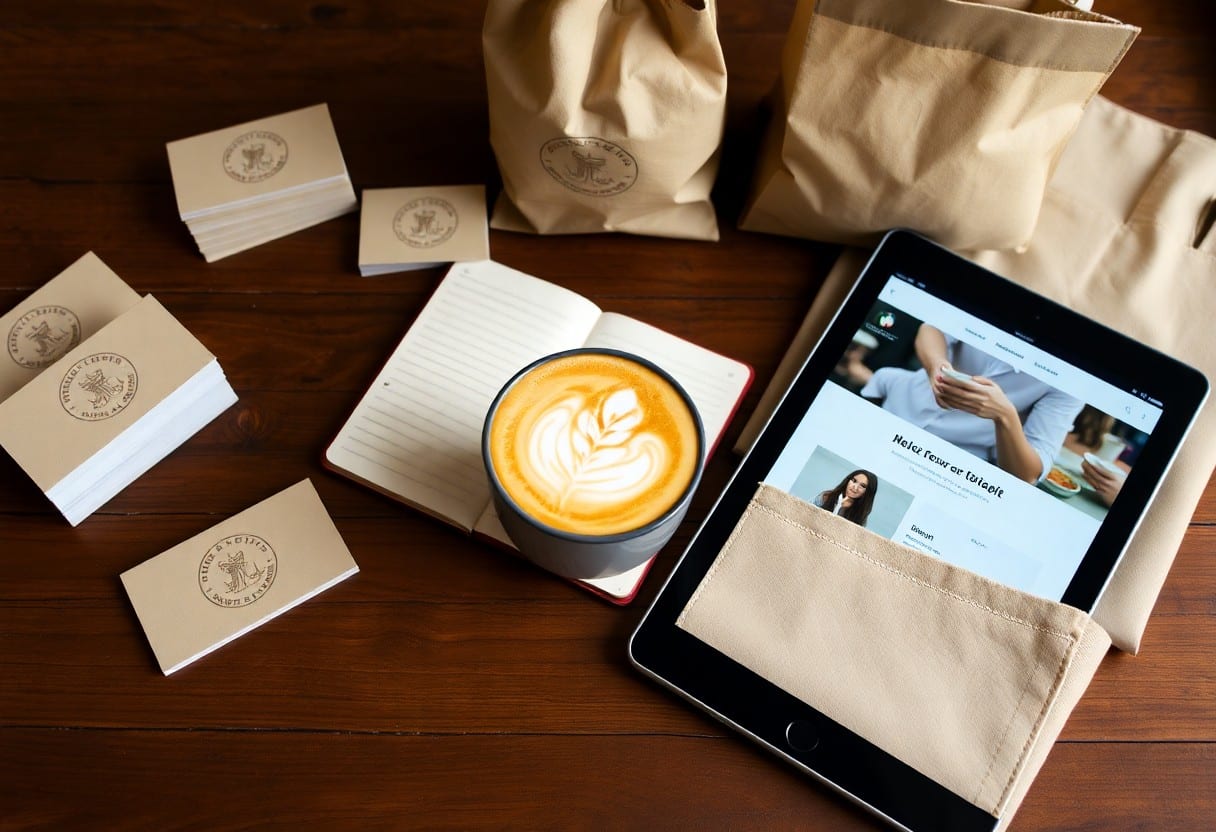
Developing a Unique Brand Identity and Signature Menu
Branding should reflect your community and tell a simple story that customers recognize at a glance; a clear logo, color palette, and tone make your van or café unforgettable while guiding every menu decision you make.
Define a signature drink and one or two house snacks that share ingredients to cut waste and improve margins, then align packaging and staff language so every interaction reinforces that identity.
How-to design a menu that balances classics with local favorites
Craft a base menu of reliable classics people expect-espresso, cappuccino, and a quality drip-then rotate regional twists that use local flavors or suppliers to draw in curious regulars and visitors alike.
Test portion sizes and price points during soft openings and track sales closely; remove low sellers and keep a concise seasonal section to celebrate local produce without overwhelming operations.
Creating a cohesive aesthetic to attract your specific niche
Design your interior and van exterior around a core mood-minimal, cozy, or vintage-and make sure signage, menu fonts, and staff uniforms match so you present a unified image that appeals directly to your target customers.
Curate playlist, lighting, and tableware to support the mood you want people to associate with your brand, and use consistent photography and copy on social channels to extend that aesthetic online.
Refine eye-level details like cup sleeves, window decals, and staff interactions to turn first-time visitors into repeat customers by reinforcing the same visual and experiential cues every visit.
To wrap up
Summing up you should validate local demand, test a clear concept, and set realistic financial targets. You will prioritize quality coffee, efficient operations, and either prime van routes or high-footfall café placement. Secure required permits, price for margin, and build repeat business through strong service and simple marketing. Track metrics, tweak offerings, and scale when cash flow proves consistent.
FAQ
Q: Which is better for my hometown: a coffee van or a boutique café?
A: A coffee van requires lower startup capital, lower fixed rent, and offers mobility to reach events, office parks, and peak spots. A boutique café provides seating, longer customer dwell time, and greater opportunities for food sales and event bookings. Consider local foot traffic patterns, weather, parking and permit availability, and your desired daily hours. Choose a van if you need flexibility and lower overhead; choose a café if you want a stable location and to build a neighborhood brand with higher lifetime customer value.
Q: How much will it cost to start and when can I expect breakeven?
A: Estimate all startup costs: vehicle or lease, espresso machine and grinder, refrigeration, fit-out, plumbing/electrical, permits, initial inventory, POS, insurance, and 3-6 months operating cash. Typical ranges: coffee van $20,000-$80,000; boutique café $80,000-$300,000 depending on rent and fit-out. Calculate monthly fixed costs (rent/loan, wages, utilities, insurance) and variable costs (COGS, disposables, hourly labor). Target gross margins around 65-75% on drinks and 60-70% on food to support overhead. Divide fixed monthly costs by average contribution per sale to estimate daily sales needed for breakeven; plan conservative sales and a cash buffer for slow months.
Q: What permits, licenses, and insurance will I need?
A: Register the food business with the local health authority and complete required food safety training. For a van, obtain mobile trading permits, street trading licenses, vehicle roadworthiness certificates, and any council-specific permissions for trading sites. For a café, obtain building, fire safety, and occupancy approvals plus health inspections and waste disposal arrangements. Purchase public liability, product liability, employer liability, and, for vans, commercial vehicle insurance. Allow several weeks for approvals and budget for inspection and permit fees.
Q: How should I design the menu and set prices to stay profitable?
A: Start with a focused menu of 6-10 core drinks, a house espresso, a filter option, and one or two seasonal specials; add 4-6 simple, high-margin food items like pastries and a couple of grab-and-go sandwiches. Price using a cost-plus calculation that includes ingredient cost, direct labor per item, and allocated overhead to meet your margin targets. Use a premium or specialty item as a price anchor and offer combos to increase average sale. Reduce SKU count to limit waste and simplify training, and review item-level sales weekly to drop slow movers.
Q: How do I choose the best locations and schedule for a van or a café site?
A: For a van, map high-footfall opportunities: morning commuter hubs, lunchtime office districts, markets, and weekend events; rotate locations on a predictable schedule and post daily whereabouts on social media. For a café, prioritize visible street-fronts near offices, schools, transit stops, or shopping corridors and verify pedestrian counts at different times and days. Negotiate flexible lease terms such as a short break clause or stepped rent to reduce early risk. Test the site with pop-ups or a soft opening before committing to major fit-out expenses.
Q: What local marketing tactics build regulars quickly?
A: Focus on consistent product quality and strong visual branding on cups and signage. Implement a simple loyalty system (digital stamp or app) and collect customer contacts at point of sale for weekly offers and opening updates. Use targeted social posts and stories to announce daily van locations or café specials, and post early-morning content when people plan their coffee runs. Partner with nearby businesses for cross-promotions, supply coffee to local offices, and host occasional community events or tastings to turn first-timers into repeat customers.
Q: How should I hire staff, choose suppliers, and run daily operations?
A: Hire baristas with customer-service experience and train them on your recipes, speed targets, and upsell scripts. Build supplier relationships with one primary roaster and one backup for beans, plus reliable vendors for milk, bakery items, and disposables; negotiate payment terms to help cash flow. Create standard operating procedures: recipes, opening/closing checklists, cleaning schedules, and a simple inventory system to control waste. Track sales by item daily, schedule staff for peak hours, and plan regular maintenance for equipment to avoid downtime.