
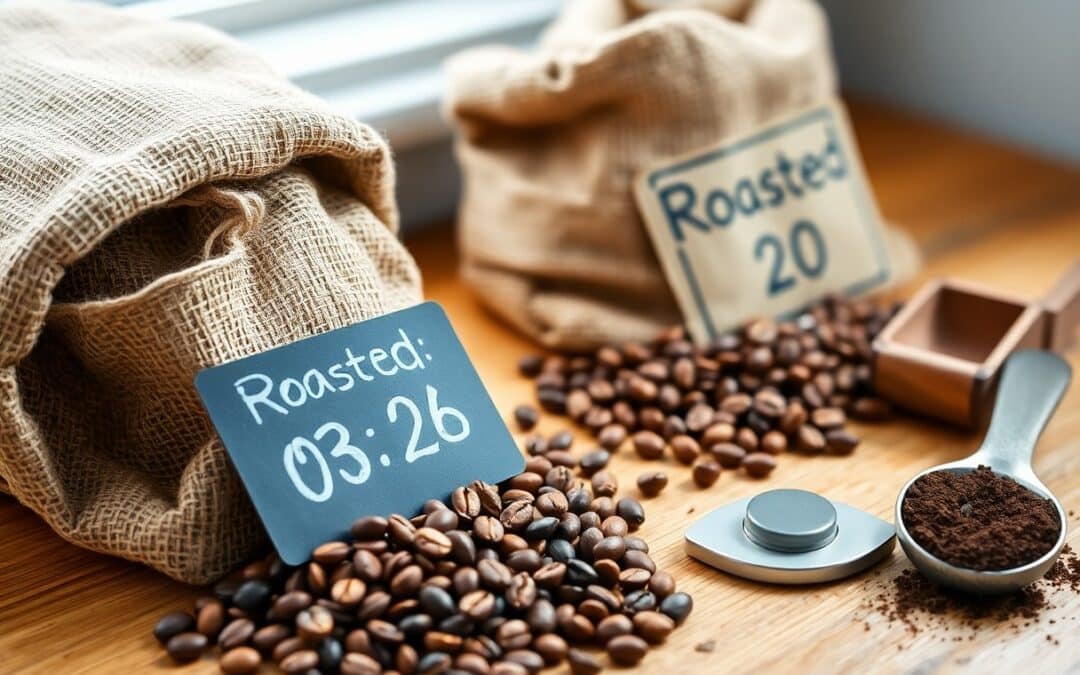
Freshness determines the aroma, acidity, and sweetness you extract from coffee; beans roasted within days deliver brighter, fuller cups while older beans fade, so you should buy roast dates, store correctly, and brew promptly to experience peak flavor.
Key Takeaways:
- Freshly roasted beans release aromatic oils and CO2 that produce brighter flavor, fuller aroma, and better crema.
- Flavor degrades quickly after roasting due to oxidation and loss of volatile compounds; peak flavor typically occurs within 3-14 days depending on roast and bean.
- Grind just before brewing and store whole beans in an airtight, opaque container away from heat, light, and moisture to preserve freshness longer.
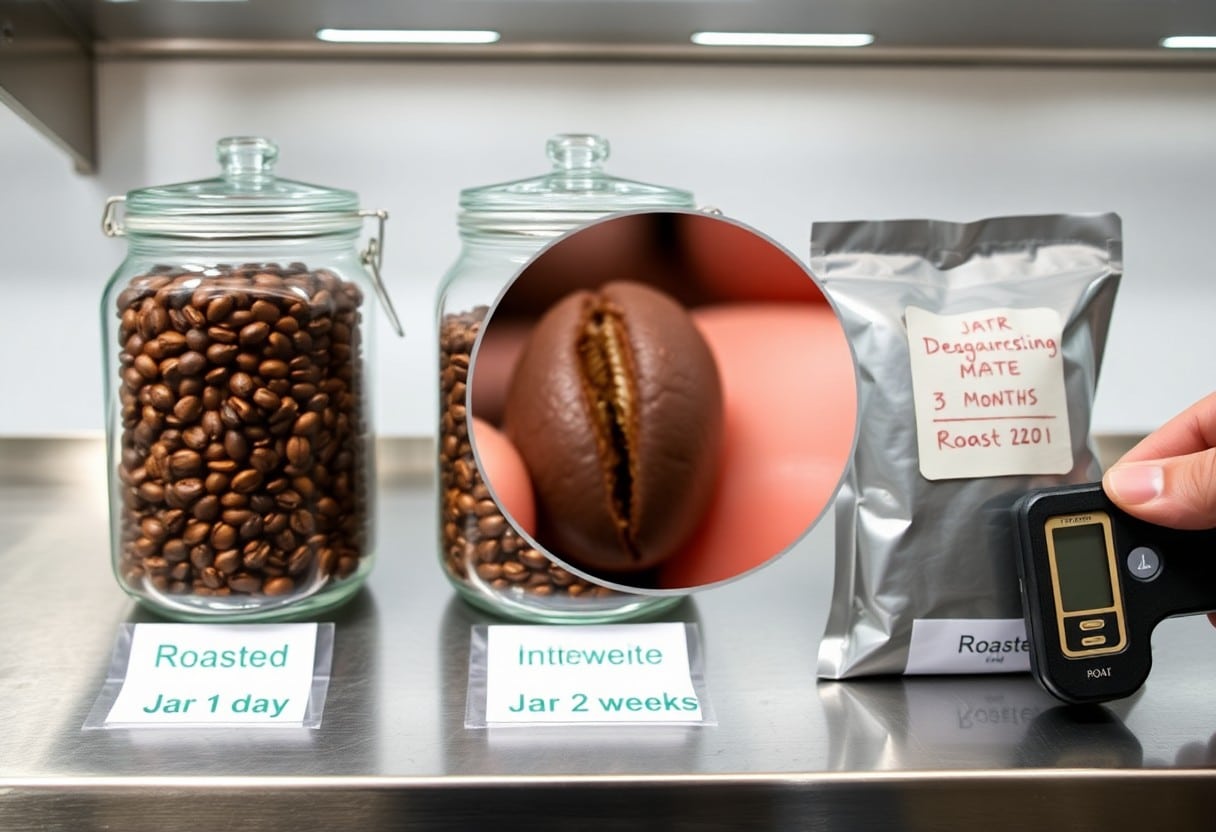
The Chemistry of Coffee Freshness
Chemistry shows volatile aromatics spike during roast, so you taste brighter notes when you brew soon after roasting; see The Power of Freshness: Why “Roasted to Order” Coffee Tastes Better for how roasted-to-order keeps those compounds intact for you.
Roasting creates hundreds of flavor molecules through Maillard reactions and caramelization, and you experience peak complexity before oxidation and moisture loss dull the cup.
The Role of Degassing and Carbon Dioxide
Carbon dioxide released after roast both protects oils from rapid oxidation and interferes with extraction, so you should let beans rest briefly or adjust grind and brew to manage crema and clarity.
Preservation of Volatile Aromatic Compounds
Aroma compounds evaporate quickly when exposed to air, so you should store beans sealed, use one-way valve bags, and grind immediately before brewing to capture peak fragrance.
Sealing straight after roast and minimizing headspace retains fragile esters, aldehydes, and thiols that deliver floral, fruity, and sweet notes, giving you a noticeably more expressive cup.

The Peak Flavor Window
Roasters time releases so you can catch beans when volatile aromatics and sugars are at their best; for many profiles this peak occurs between three and fourteen days after roast.
Within that window you’ll notice brighter acidity, clearer origin notes, and fuller body before degassing and oxidation smooth those edges over the following weeks.
Optimal Resting Periods After Roasting
Many lighter and single-origin roasts settle into their best expression after a short rest of three to seven days, which lets you dial grind and extraction without excess CO2 interference.
Experiment with tasting on day one, day three, and day seven so you can identify when sweetness, clarity, and body align for your preferred brew method.
The Accelerated Decline of Pre-Ground Coffee
Grinding increases surface area dramatically, so you will lose volatile aromatics and begin tasting flatness within 24 to 72 hours when beans are pre-ground.
Sealed packaging and nitrogen flushing slow oxidation, but you should still expect noticeable drops in aroma, crema, and perceived acidity compared with freshly ground beans.
Store whole beans and grind just before brewing if you want consistent peak flavor, since that practice preserves oils and aromatics and gives you better control over extraction.
Environmental Enemies of Roasted Beans
Oxygen attacks roasted beans quickly, breaking down volatile aromatics so you lose nuanced flavors and sweetness; you will notice flat, cardboard-like notes within days when beans sit exposed.
Moisture pulls oils and soluble compounds out of the bean and can introduce off‑odors or mold, so you should keep beans dry and sealed and avoid humid storage spots.
Environmental Enemies – Quick Guide
| Enemy | Effect |
|---|---|
| Oxygen | Renders aromatics stale, reduces acidity and complexity – your cup tastes flat. |
| Moisture | Draws out flavors, spreads odors, and risks microbial growth – your beans lose clarity. |
| Light | Degrades oils and alters compounds – your brew gains off notes. |
| Temperature swings | Speeds staling and oil migration – your beans age faster. |
Oxidation and Moisture Exposure
Oxidation begins as soon as roasting opens bean structure, so you should grind only what you need and store beans in airtight, opaque containers to slow flavor loss.
Seal beans in small portions to limit air and humidity contact; you can use one-way‑valve bags so beans degas without reintroducing oxygen, keeping your roast profile intact longer.
Impact of Light and Temperature Fluctuations
Light accelerates oil breakdown and chemical changes in roasted beans, so you should store them away from windows and bright lights to protect delicate aromatics.
Temperature swings force oils to expand and contract, promoting staling and moisture migration; you should avoid storing beans near ovens, radiators, or uninsulated exterior walls.
Impact of Light & Temperature – Key Points
| Factor | What you should do |
|---|---|
| Light | Keep beans in opaque containers in a dark cabinet to preserve oils and aroma. |
| Temperature | Store at stable, cool room temperatures away from heat sources and drafts to prevent rapid aging. |
Sensory Profiles: Fresh vs. Stale
Freshly roasted beans deliver aromatic oils and volatile compounds that give you bright, layered flavor and a syrupy mouthfeel; those qualities diminish as compounds dissipate and you end up with flatter, more one-dimensional cups from older beans.
Aroma shifts rapidly after roasting, so you’ll detect floral and fruit top notes within days while stale beans tend toward muted, dusty scents that mask delicate sweetness and nuance.
Vibrancy, Acidity, and Complex Notes
Bright acidity in fresh beans gives you lift and clarity, revealing citrus, berry, or tea-like qualities that define balance and perceived freshness in the cup.
Complexity appears when you can distinguish layers-juicy acids, caramelized sugars, and savory undertones-which fade into homogeneous maltiness as volatiles degrade and oils oxidize.
Bitterness and the Development of Rancid Oils
Bitter elements evolve with age: fresh bitterness is often crisp and roast-driven, while stale bitterness becomes harsh and flat, overwhelming the subtler flavors you expect.
Rancid oils form as lipids oxidize, producing cardboard, painty, or crayon-like off-notes that make extraction taste unpleasant and leave a lingering, unclean finish on your palate.
Oxidation accelerates when beans are ground or exposed to air, heat, light, or moisture, so you should store beans airtight, cool, and dark and grind just before brewing to slow rancidity and preserve flavor.
Identifying Quality in the Bag
Look for uniform color and consistent roast level; you can spot low-quality lots by uneven roasting, excessive chipping, or foreign matter.
Feel the bag’s weight and open it briefly to sniff; you should notice lively, layered aromas rather than flat cardboard or stale scents.
Decoding Roast Dates vs. Expiration Dates
Know that roast dates mark when beans were roasted and indicate peak freshness a few days to a few weeks afterward for most profiles.
Avoid relying on expiration dates alone; you should assess roast date, aroma, and packaging to judge true freshness rather than a printed deadline.
One-Way Valve Technology and Packaging Standards
Understand that one-way valves release CO2 while preventing oxygen entry, so you can retain volatile oils and preserve aroma longer in the bag.
Inspect packaging for foil linings, opaque materials, and resealable closures; you should choose bags that minimize light, air, and moisture exposure.
Verify the valve and seal before purchase and store beans in cool, dark containers at home; you can extend peak flavor by reducing oxygen and light contact.
Best Practices for Home Storage
Store roasted beans in a cool, dark spot away from stovetops and windows; you should keep them out of direct heat and sunlight to slow flavor loss. Use small, weekly portions so you limit repeated exposure to air and avoid emptying large bags at once.
Keep beans whole until brewing because grinding accelerates staling; you can grind just before each brew to preserve aroma and acidity. Rotate your supply so older bags are used first and you maintain a consistently fresh cup.
Selecting Airtight and Opaque Containers
Choose containers with true airtight seals and one-way valves when possible, since you can vent CO2 without letting oxygen back in. Look for non-reactive materials like stainless steel or ceramic to prevent flavor transfer.
Opaque vessels block light, which you should avoid exposing your coffee to, and smaller containers reduce trapped air as you use beans. If you store for more than a week, split beans into daily jars to minimize oxidation.
Why Refrigeration Is Detrimental to Quality
Avoid refrigerating coffee because the fridge’s humidity and fluctuating temperatures cause beans to absorb moisture and stray aromas, which you will taste in the cup. Frequent door openings make the environment unstable, accelerating staling.
Condensation forms on beans when you move them between cold and warm spaces, and that moisture strips volatile compounds and muffles brightness; if you ever consider freezing, only do so in truly airtight, odor-proof packaging and defrost a single portion before use.
Final Words
On the whole you can detect the difference that freshly roasted beans make: brighter acidity, fuller aroma, and more nuanced flavor as volatile oils and gases peak after roast. You get the best results when you buy whole beans, grind immediately before brewing, and store them sealed away from light and heat to slow degradation. You will notice stale flavors fade within weeks, so plan purchases to match your brewing rhythm.
FAQ
Q: What does “freshly roasted” mean for coffee beans?
A: “Freshly roasted” refers to beans that have been roasted recently and still retain most of their volatile aromatic compounds and oils produced during roasting. Roasters typically print a roast date on the bag to indicate when beans exited the roaster; that date is the single best indicator of freshness. Roasted beans go through an active degassing period during the first days when carbon dioxide and aromatic compounds release; those changes alter extraction and flavor over the first two to three weeks.
Q: Why does freshly roasted coffee taste different from older beans?
A: Freshly roasted beans contain a high concentration of volatile aromatics that create bright, complex flavor and aroma profiles. Chemical reactions during roasting, like Maillard reactions and caramelization, create hundreds of flavor compounds that dissipate or oxidize over time, leading to flatter, muted taste in older beans. Oil migration to the bean surface and oxidation of those oils produces off-flavors and rancidity as beans age.
Q: When are beans at their flavor peak after roasting?
A: Beans typically reach a flavor window rather than a single peak; most coffees taste best between about 3 and 14 days after roast, depending on roast level and brew method. Light roasts often benefit from a slightly longer rest to allow gases to stabilize, while darker roasts can be brewed earlier but may oxidize faster. Espresso shops often use beans 7-21 days after roast to balance crema development and aromatic intensity.
Q: How should I store freshly roasted beans to preserve flavor?
A: Store whole beans in an opaque, airtight container at room temperature away from heat, light, and moisture to slow degradation. Keep beans in small batches to minimize repeated exposure to air; resealable bags with one-way degassing valves or a sealed tin work well. Freezing unopened bags for long-term storage can be acceptable, but avoid frequent thawing and refreezing and never store beans in the fridge where moisture and odors are present.
Q: Does grinding affect freshness, and when should I grind?
A: Grinding exposes the large internal surface area of the bean to oxygen, accelerating staling and flavor loss; ground coffee will lose freshness in minutes to hours compared with days or weeks for whole beans. Grind immediately before brewing to capture the peak of aroma and flavor. Adjust grind size for your brew method because extraction rate changes with particle size.
Q: How can I tell if coffee beans have gone stale or rancid?
A: Fresh beans present strong, complex aroma and bright, layered flavors when brewed. Stale beans smell flat, papery, or like cardboard and produce muted or one-dimensional cups with little acidity or sweetness. Rancid beans have a sharp, unpleasant odor from oxidized oils and can taste sour, soapy, or bitter; crema on espresso will be thin and dissipate quickly with stale beans.
Q: Can old beans be revived or used without wasting them?
A: Old beans cannot be revived to their original aromatic state because volatile compounds are lost irreversibly through oxidation and off-gassing. Beans past their prime can still be used for cold brew, flavored infusions, or as a component in coffee-flavored recipes where subtle aroma loss is less noticeable. Best practice is to buy smaller quantities, check roast dates, and store properly to avoid surplus that will go stale.