
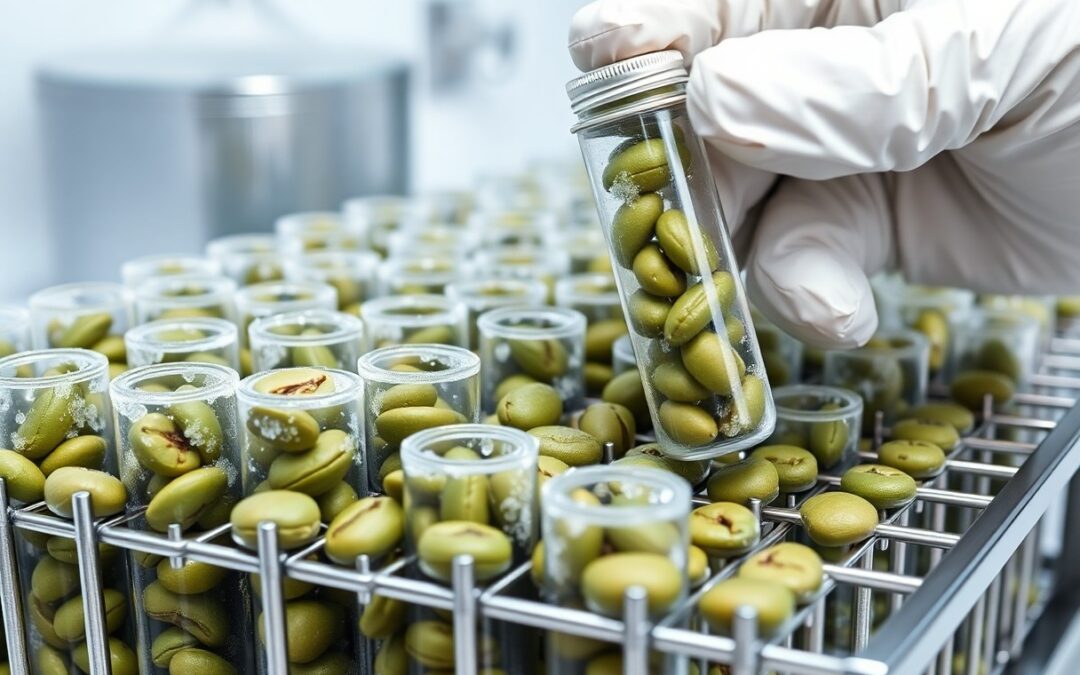
Preservation of volatile oils guides your choice to use cryogenic freezing, and you should examine evidence; Research shows freezing beans can preserve aroma, so assess temperature control, packaging, and cost to maintain quality.
Key Takeaways:
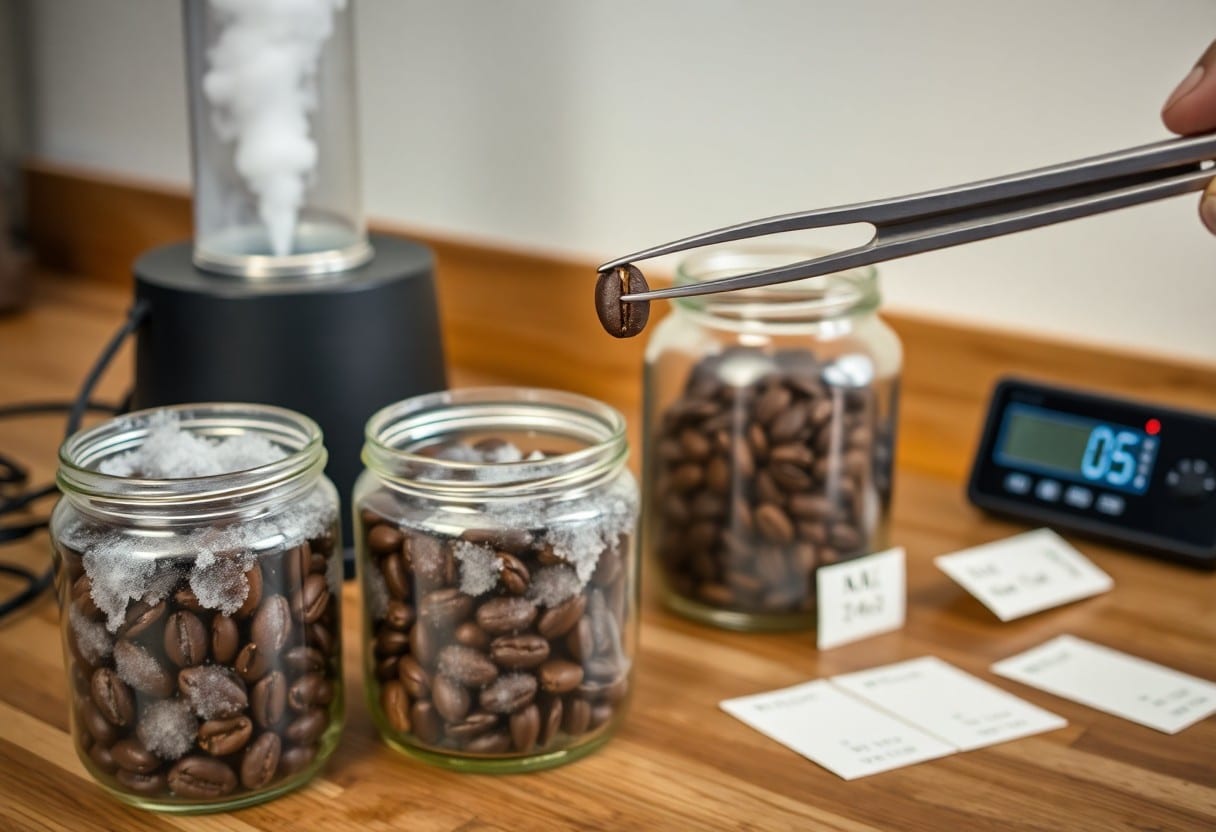
- Cryogenic storage halts enzymatic and oxidative reactions by freezing beans at ultra-low temperatures (for example, liquid nitrogen at −196°C), helping preserve volatile aroma compounds and inhibiting microbial activity.
- Improper handling-ice-crystal formation, repeated thaw cycles, or uncontrolled moisture-can rupture cell structures and release or dissipate flavor precursors, undermining sensory quality despite cold storage.
- High equipment and operational costs, plus limited long-term sensory studies, confine cryogenic preservation mainly to high-value or research-grade beans; standardized protocols and pilot trials are needed before wider adoption.
The Biophysics of Cryogenic Legume Storage
Biophysics explains how extreme cooling arrests enzymatic and microbial activity so you can retain volatile aroma compounds and seed viability longer than refrigeration allows.
Freezing at cryogenic temperatures reduces molecular mobility, so you must control cooling rates and storage conditions to prevent structural damage that would degrade texture on thawing.
Achieving Metabolic Arrest via Liquid Nitrogen
Liquid nitrogen immersion forces near-instant metabolic arrest, and you will see respiration rates plummet as cellular reactions become kinetically frozen.
You must monitor thawing protocols because uneven warming reactivates enzymes and risks ice recrystallization that can rupture cell walls.
Vitrification and the Mitigation of Cellular Damage
Vitrification replaces damaging ice crystals with an amorphous glass, so you preserve intracellular organization and maintain bean integrity during long-term storage.
Cryoprotectants lower required cooling rates and reduce osmotic stress, but you should balance concentration to avoid toxicity while enabling glass formation.
Optimization demands empirical testing of solute mixes, cooling ramps, and sample geometry so you can predict vitrification success and minimize post-thaw quality loss.
Preserving the Chemical and Aromatic Profile
You can rely on cryogenic temperatures to arrest enzymatic activity and slow diffusion, helping preserve the bean’s original array of aroma precursors and flavor molecules during extended storage.
Cold conditions still demand careful packaging and moisture control, because you will otherwise face ice crystal damage and altered compound availability that erode sensory fidelity.
Protection of Volatile Organic Compounds
Volatiles that create top notes become immobilized at cryogenic temperatures, so you retain headspace complexity and reduce evaporative losses when handling small batches.
Sealing beans in low-permeability containers and minimizing headspace lets you further prevent sublimation and cross-contamination during long-term cryostorage.
Prevention of Oxidative Rancidity and Nutrient Loss
Oxygen-driven lipid oxidation slows dramatically in the cryogenic environment, allowing you to preserve healthy fats, antioxidants, and heat-sensitive vitamins that degrade at ambient temperatures.
Storage protocols combining cryogenic temperatures with inert gas flushing and single-use aliquots help you avoid repeated thaw cycles, which trigger oxidative bursts and nutrient breakdown.
Impact on Seed Viability and Genetic Integrity
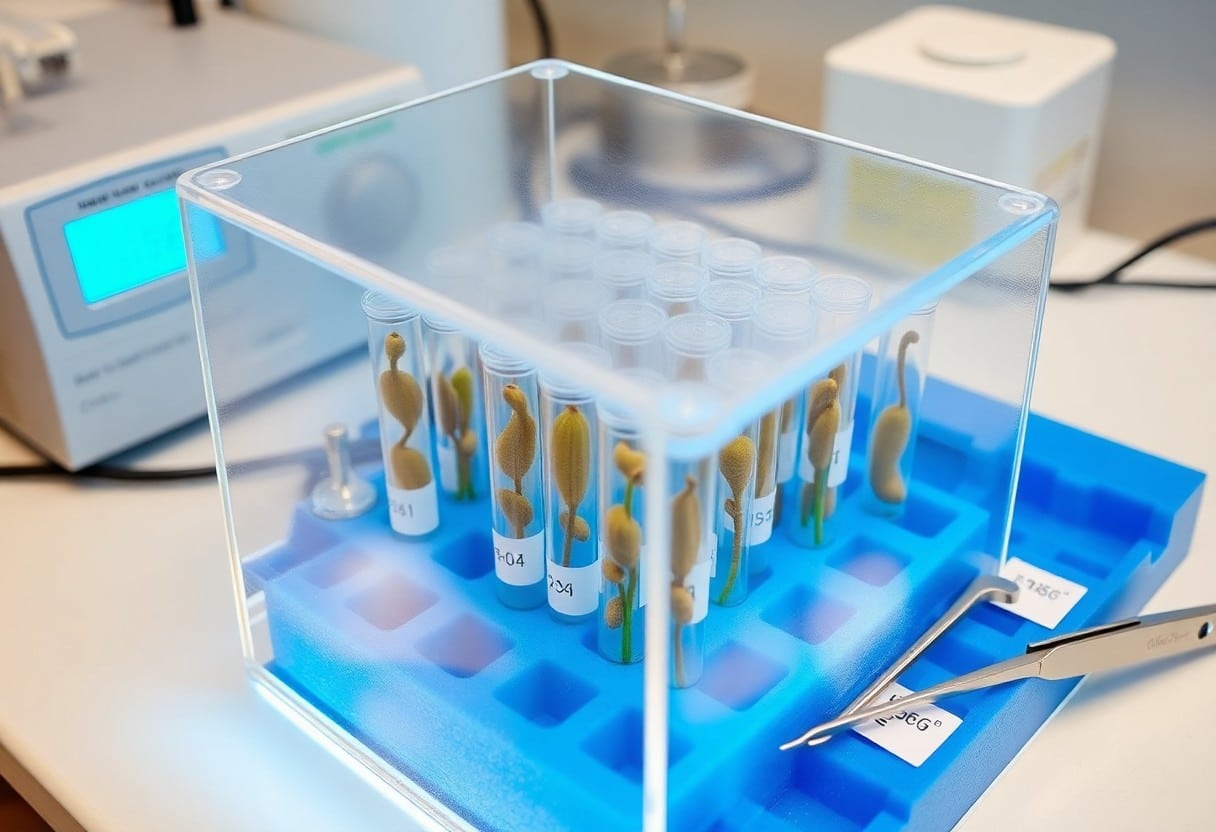
Cryogenic storage can arrest metabolic processes and reduce cumulative DNA damage, so you preserve higher germination potential than with standard cold storage. Small losses may still occur over decades, so you should pair cryostorage with periodic viability assays and documented regeneration to detect any genetic shifts early.
Long-term Germplasm Preservation
Germplasm banks in liquid nitrogen let you maintain allelic diversity with minimal selection pressure, enabling long-term conservation of landraces and wild relatives. Routine molecular screening and provenance records help you spot subtle population changes and make informed decisions about regeneration timing.
Managing Moisture Content and Thermal Shock
Moisture levels demand precise control before cooling because free water forms ice that damages cells; you should equilibrate seeds to species-specific moisture targets using desiccants or controlled-humidity chambers. Preconditioning into the glass transition range enhances vitrification and lowers cryoinjury risk.
Thermal control during cooling and rewarming prevents mechanical stress and recrystallization; you should use controlled-rate cooling and rapid, uniform warming tailored to each variety. Temperature logging during trials lets you optimize ramps and minimize thermal gradients that cause tissue fracture.
You can implement a two-step protocol: dry to the recommended moisture content, then apply staged cooling to bypass dangerous crystallization zones and use rapid thawing combined with osmotic adjustment on recovery. Regular post-thaw viability testing lets you refine moisture and thermal parameters for consistent outcomes.
Culinary and Organoleptic Implications
Cooling beans to cryogenic temperatures arrests enzymatic activity and slows lipid oxidation, so you preserve freshness and reduce off-flavors during storage.
Microstructural stabilization means you face fewer textural surprises after thawing, provided you control ice crystal formation and avoid repeated freeze-thaw cycles.
Texture Retention and Cell Wall Stability
Cellular walls benefit from deep freezing because vitrification limits ice crystal growth, and you retain firmness when thawing is slow and uniform.
Flavor Consistency in Post-Storage Consumption
Aroma retention improves when you minimize exposure to air and use rapid cryo-freezing, enabling you to keep delicate floral and chocolate notes that define bean variety.
Tasting after storage reveals whether volatile compounds re-equilibrate; you should expect some loss of top notes but sustained mid- and base flavors if packaging prevents sublimation and oxidation.
Economic and Infrastructure Requirements
Operational Costs of Ultra-Low Temperature Systems
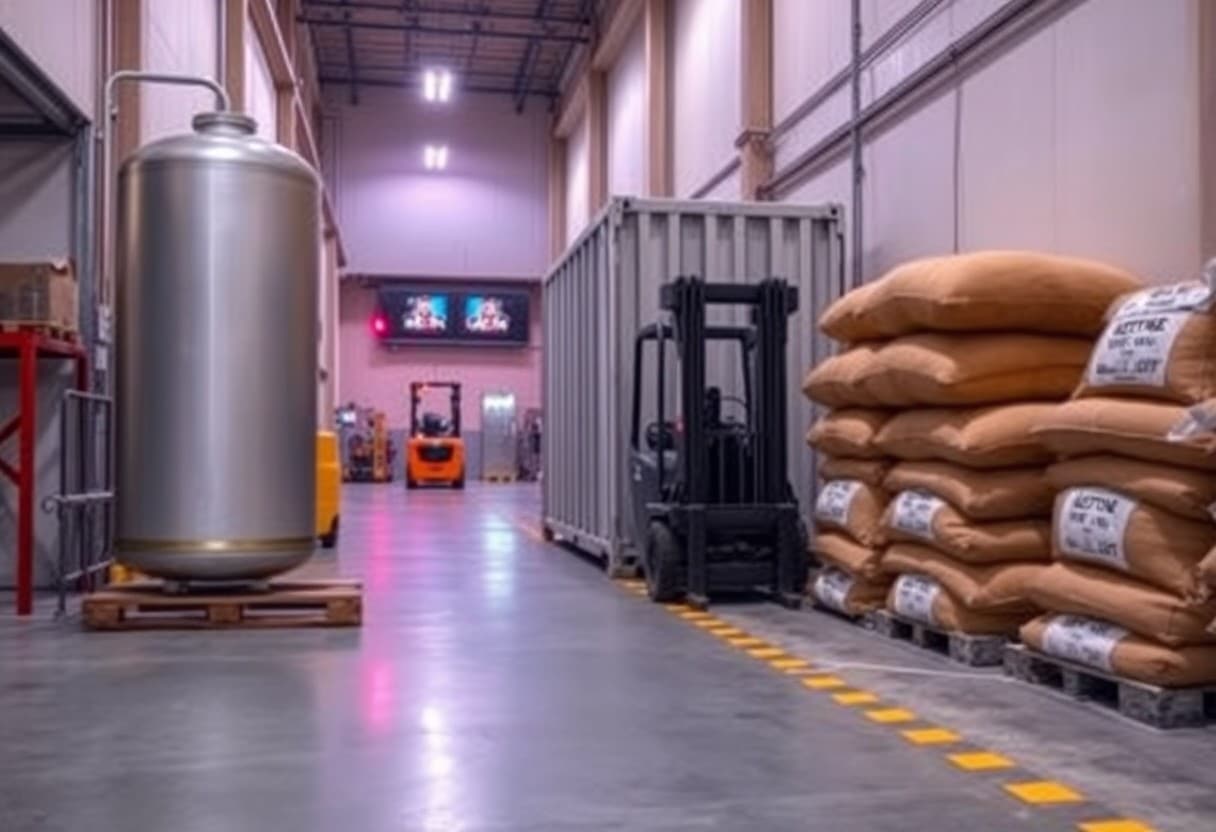
Operational expenses for cryogenic freezers place heavy burdens on your budget due to energy draw, regular LN2 or helium refills, and specialized maintenance crews.
Operational cost breakdown
| Item | Consideration |
|---|---|
| Initial equipment | High upfront capital for ultra-low freezers and backups |
| Energy & consumables | Ongoing LN2/helium purchases and electricity consumption |
| Service & training | Skilled technicians and operator certification increase payroll |
| Logistics & permits | Cold-chain handling, regulatory compliance, and insurance |
Scalability for Specialty and Commodity Markets
Specialty producers can justify cryogenic storage if you value long-term quality and can command premium prices, but limited batch sizes keep per-bean costs elevated.
Commodity markets demand low per-unit costs, so you must model throughput, storage density, and distribution expenses before scaling cryogenic options.
Final Words
So you can use cryogenic storage to slow chemical reactions and preserve a bean’s volatile aromatics, potentially extending sensory freshness far beyond conventional refrigeration. You must balance benefits against freeze-thaw damage, packaging, oxygen control, and cost; commercial application demands strict protocols, while hobbyists may prefer airtight low-temperature storage instead.

FAQ
Q: What is cryogenic storage and how could it apply to beans?
A: Cryogenic storage uses extremely low temperatures, typically with liquid nitrogen (-196°C), to arrest chemical and enzymatic reactions. Applied to beans, the process rapidly cools cellular and volatile compounds, slowing oxidation and microbial activity that cause staling. Both green and roasted beans can be cryogenically frozen, although their responses differ because roasting alters oil distribution and volatile profiles.
Q: Can cryogenic storage actually preserve the aroma and flavor of coffee beans?
A: Rapid cooling limits loss of volatile aroma compounds and slows lipid oxidation, so aroma retention is improved compared with room-temperature storage. Sensory studies on long-term cryogenic storage are limited, but short-term trials show measurable retention of key aromatic compounds. Flavor preservation depends on initial roast quality, packaging, and how thawing is handled; improper warming can cause volatile loss and moisture-related off-notes.
Q: How do green beans and roasted beans respond differently to cryogenic freezing?
A: Green beans contain lower levels of free volatiles and more stable cellular structure, so they tolerate deep cold with minimal sensory change and can be stored for many years with little detectable degradation. Roasted beans contain fragile volatile oils and gases produced during roasting; those compounds are more prone to loss during temperature changes and thawing. Roasted beans also continue to degas, so trapping those gases or allowing controlled release is important.
Q: What are the main risks or pitfalls of cryogenic storage for beans?
A: Thermal shock and rapid moisture condensation during warming can rupture cell structures and wash away volatile compounds, degrading flavor. Poor packaging allows freezer burn and oxygen ingress. Safety hazards include handling cryogens and pressure build-up in sealed containers. Cost and infrastructure requirements make cryogenic approaches impractical for many small operations.
Q: What packaging and thawing protocols minimize quality loss after cryogenic storage?
A: Use high-barrier vacuum packaging or inert-gas-flushed, low-permeability bags before freezing to prevent oxygen and moisture exchange. Keep beans sealed during warming and allow gradual temperature increase in a cold environment to reduce condensation. Avoid repeated freeze-thaw cycles and open containers only after beans reach near-ambient temperature while still sealed.
Q: How long can cryogenic storage extend the shelf life of beans compared with conventional methods?
A: Cryogenic storage can extend chemical and microbial shelf life from months or a couple of years to multiple years for green beans, with minimal detectable change in many quality markers. Roasted beans show slowed degradation but still change over time due to trapped gas dynamics and subtle volatile loss; expect better retention than ambient storage but not perfect preservation of freshly roasted profile indefinitely. Documented, long-term sensory studies remain limited.
Q: Is cryogenic storage practical for specialty roasters or home users, and what alternatives exist?
A: Large-scale cryogenic storage suits specialty processors or research facilities that need multi-year preservation and can justify equipment and safety costs. Small roasters and consumers will usually find vacuum sealing, oxygen-scavenging packaging, nitrogen flushing, and refrigerated or standard commercial freezers more cost-effective. Dry ice or liquid-nitrogen flash-freezing can serve as short-term options for specific lots, provided proper packaging and controlled thawing are used.