

There’s a nimble social chemistry around a coffee van that lets you meet strangers during brief queues and pop-up locations; you can observe varied contexts and spontaneous conversations more often than inside fixed cafés, which tend to attract repeat, insulated customers.
Key Takeaways:
- Coffee vans often create pockets of chance encounters by appearing in varied, high-footfall or event-specific locations, attracting transient crowds and prompting short, spontaneous conversations.
- Cafés tend to produce repeat encounters and deeper social ties because fixed location, seating, and familiarity encourage longer visits and community formation.
- Serendipitous encounters depend on location, timing, design, and social norms, so mobility increases opportunity but does not guarantee more meaningful serendipity than cafés.
Does A Coffee Van’s Transience Invite More Serendipitous Encounters Than A Café?
Urban shifts put you in contact with rotating crowds, so a van’s pop-up presence often creates brief, unexpected conversations that a fixed café schedule rarely replicates; see field notes in APRIL 2025 | The Blue and White.
Traditional cafés as static community anchors
Cafés give you predictable rhythms, consistent staff, and familiar faces that encourage longer interactions and more deliberate relationship building.
The rise of mobile micro-retail in urban environments
Vendors on wheels put you in transient social settings where quick exchanges can become memorable because of novelty and proximity.
Routes, timing, and festival tie-ins influence where you find a van, so you often stumble into community moments at different times and places during your week.
The Mechanics of Serendipity in Public Spaces
Mobility compresses exposure: you pass through varied micro-environments, increasing the odds of brief, unexpected exchanges that wouldn’t occur in your habitual café.
Patterns of arrival and departure around a van create quick convergence points; you are more likely to engage when encounters feel temporary and contextually novel.
Spontaneous interaction versus planned socialization
Microencounters at a van often start with a shared order or a comment about the menu, and you can convert those fleeting moments into useful connections without long commitment.
Planned visits to a café make you selective about engagement, so you usually interact with known contacts or those you expect to meet, reducing chances for random introductions.
How physical proximity dictates social friction
Proximity in front of a van forces brief closeness that lowers social friction, so you frequently exchange quick smiles or small talk with people you’d otherwise ignore.
Distance and available space shape your comfort: you can choose anonymity when seats spread out, or you can approach deliberately when closeness signals openness.
Queueing dynamics-shared wait time, facing each other, commenting on service-produce predictable triggers for conversation, and you can use those triggers to initiate serendipitous connections.
Transience as a Catalyst for Novelty
Mobile coffee vans puncture familiar routes, offering brief, novel encounters you might not expect. When you pause, the van’s impermanence invites spontaneous exchanges and discoveries that contrast with a café’s steady routine.
Transient locations and rotating offerings compel you to look up from habit and assess your surroundings, increasing the odds of chance meetings. You’ll notice more varied sensory cues that spark conversation and curiosity.
The psychological impact of the “pop-up” effect
Pop-up dynamics prime you for exploration; you approach with looser expectations and are more willing to try unfamiliar drinks or strike up conversation. That lowered threshold for engagement increases serendipitous moments.
Psychology indicates that novelty and scarcity heighten attention, so you assign greater value to brief van encounters and remember them vividly. This makes you treat these moments as opportunities rather than routine transactions.
Breaking the routine of the daily commute through surprise
Commuter routes that pass a coffee van offer an unexpected break, prompting you to deviate from autopilot and greet your surroundings. Small detours toward the van create chances for conversation, new tastes, and fresh impressions.
Often those quick stops accumulate into social micro-networks: vendors recall names, regulars share tips, and you discover shortcuts in both routes and relationships.
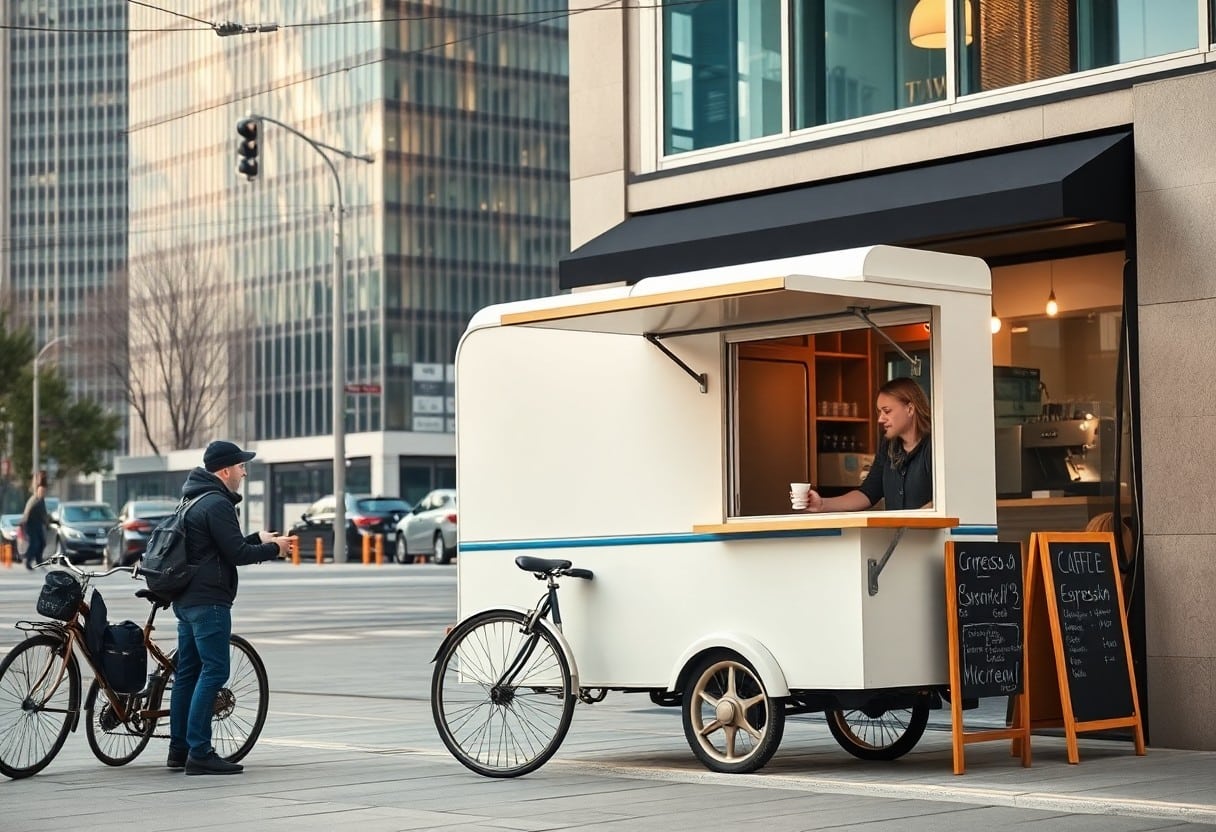
Does A Coffee Van’s Transience Invite More Serendipitous Encounters Than A Café?
You encounter vans as fleeting social nodes that interrupt routines, making brief interactions feel natural because people are already on the move and less committed to prolonged exchange.
Placed near transit stops or community events, vans reduce the effort you need to join a gathering, increasing the frequency of accidental meetings without requiring prior plans.
Eliminating architectural thresholds and storefront barriers
Street-level operation removes doors, stairs, and entry rituals so you can access coffee and conversation without crossing visible or invisible thresholds that often deter casual interaction.
The sidewalk coffee van as a democratic social intervention
When you stand at a van, social markers like membership or reserved seating disappear, so people from different backgrounds mix more readily and conversations cross typical social boundaries.
Open formats allow you to engage at will, step back, or move on, which reduces performance pressure and makes social exchange more spontaneous than in enclosed café settings.
Comparing Interaction Density
You observe that cafés concentrate patrons for longer stretches, producing fewer but deeper interactions, while coffee vans scatter brief encounters across time and place.
Stationary locations establish predictable patterns that let you accumulate repeated conversations, whereas mobile vans create intermittent spikes that raise the number of passing social moments.
| Café | Coffee Van |
|---|---|
| Lower turnover, longer interactions | Higher turnover, shorter interactions |
| Regular patrons build familiarity | Wider variety of fleeting contacts |
| Conversations often deepen over visits | Many brief, context-bound exchanges |
Depth of connection in established indoor environments
Cafés let you deepen ties through repeated exposure, extended seating, and shared routines, so conversations can move beyond surface topics and become meaningful over time.
Frequency of “weak tie” encounters in transient settings
Vans place you into transient social seams where dozens of weak-tie moments can occur in a short window, increasing the odds of unexpected, useful connections.
Often those weak ties are context-triggered-queue banter, a compliment about a drink, quick local tips-and they create a broad network of acquaintances you might otherwise never meet.
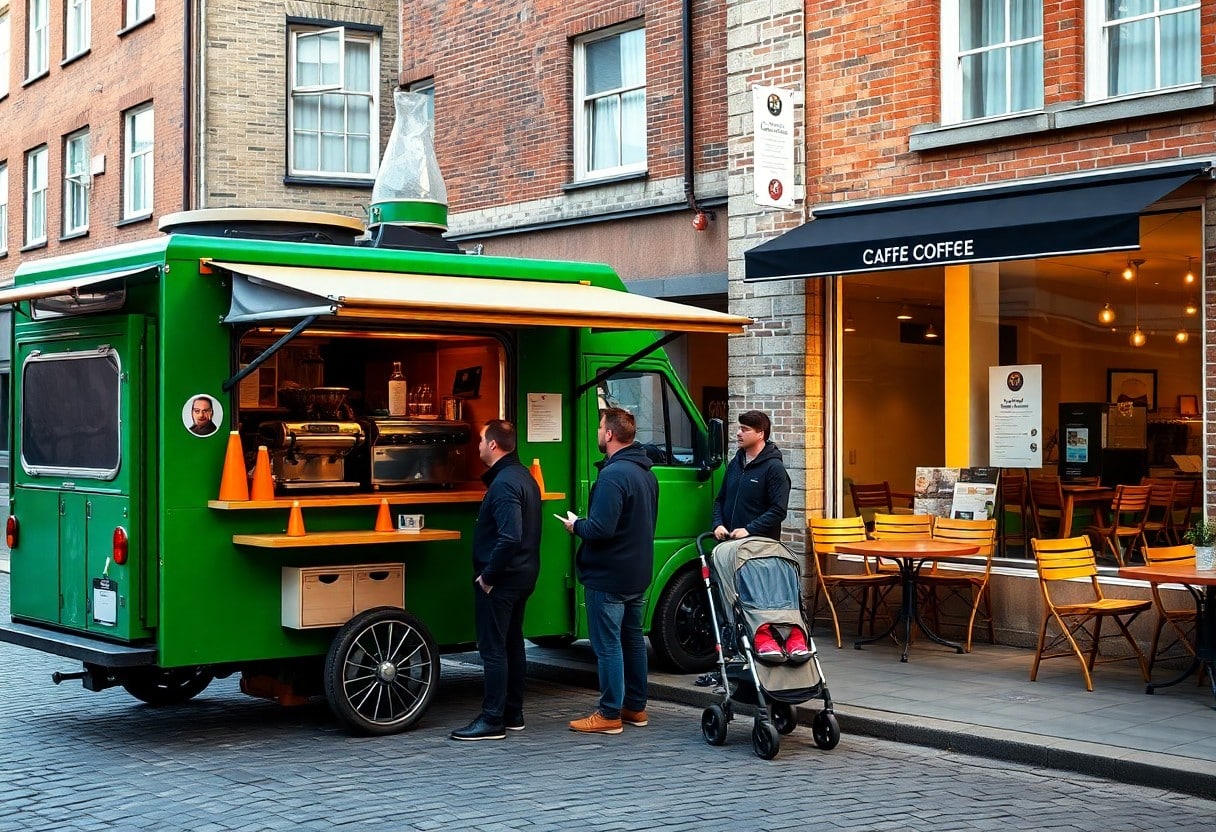
The Role of Shared Discovery
Shared moments at a coffee van push you into brief, meaningful exchanges that feel discovery-driven rather than staged. These micro-connections often yield tips, introductions, or invitations that extend your social map beyond a single stop.
You notice that the van’s impermanence lowers social barriers; limited time encourages quick confidences and shared jokes that linger. The fleeting context makes serendipity feel earned instead of manufactured.
Collective experience in shifting geographical contexts
Mobile coffee stops carry you across varied streets, exposing you to different demographics and routines that a fixed café rarely produces. These rotating clusters create a shared narrative as you and others compare where the van appeared next.
Digital tracking and the transition to “planned” serendipity
Apps and maps let you follow vans, turning random encounters into repeatable meetups when you opt to. You trade pure surprise for curated spontaneity as digital cues shape where and when you intersect with others.
Tracking data increases predictability: you can align your route with friends or avoid busy times, but algorithms also steer you toward familiar patterns that dilute the raw unpredictability of chance meetings.
Conclusion
Taking this into account, you will notice that a coffee van’s mobility and changing settings increase chance encounters and surprise conversations with strangers. You should weigh your preference for spontaneous interactions against the café’s predictable community and deeper connections when choosing where to go.

FAQ
Q: Does a coffee van’s transience invite more serendipitous encounters than a café?
A: A coffee van’s mobility increases the chance of chance encounters because it passes through varied locations and attracts different crowds at different times. Cafés create repeated contact with the same people, which supports deeper relationships rather than frequent new meetings. The outcome depends on whether a person values one-off sparks or steady social ties.
Q: What mechanisms make a coffee van conducive to serendipity?
A: Changing location places the van in front of different social groups, creating unexpected overlaps between people who would not normally meet. Limited physical space and short lines concentrate people in a small area, which raises the odds of conversation. Novelty of the van or its menu acts as an icebreaker and gives strangers something easy to comment on.
Q: How do time and location affect the likelihood of serendipitous encounters at a van?
A: Peak commute times, lunchtime clusters near offices, and weekend markets yield the largest and most diverse audiences for a van, increasing mismatch opportunities. Special events and festivals create high-density, exploratory crowds that are primed for new interactions. Quiet residential street stops produce fewer surprises but can build a pattern of friendly recognition over time.
Q: In what ways do cafés still produce serendipity despite being stationary?
A: Cafés attract regulars who bring friends, visitors, and deliveries, producing slow-moving networks where new people can be introduced indirectly. Thoughtful layout like communal tables, bar seating, or events such as open mic nights encourages conversation. Baristas who remember names and preferences act as social connectors who can introduce patrons to one another.
Q: What design and operational choices amplify serendipity at a coffee van?
A: An open counter that allows face-to-face interaction, a small seating cluster nearby, and visible signage that sparks curiosity all encourage strangers to start conversations. Rotating locations and collaborating with local events inject variety into the crowd mix. Friendly, talkative staff who ask one or two simple questions create low-effort opportunities for interaction.
Q: What practical steps can vendors and patrons take to maximize serendipitous moments?
A: Vendors can announce schedules on social media, host pop-up collaborations, and set up a small communal area or board for local notices. Patrons can position themselves near the ordering area or communal seating, bring a prop like a conversation-starting sticker or book, and open with simple comments about the menu or event. Consistent presence in a few rotating spots balances novelty with recognizability.
Q: What are the trade-offs between serendipity at a van and social depth at a café?
A: Vans offer high rates of novelty and short encounters but rarely support prolonged gatherings or privacy for deep conversation. Cafés produce slower social churn, which supports trust and repeated interactions but yields fewer random introductions. Event programming, thoughtful design, and deliberate scheduling can help either format increase the mix of spontaneous and lasting connections depending on the organizer’s goals.