
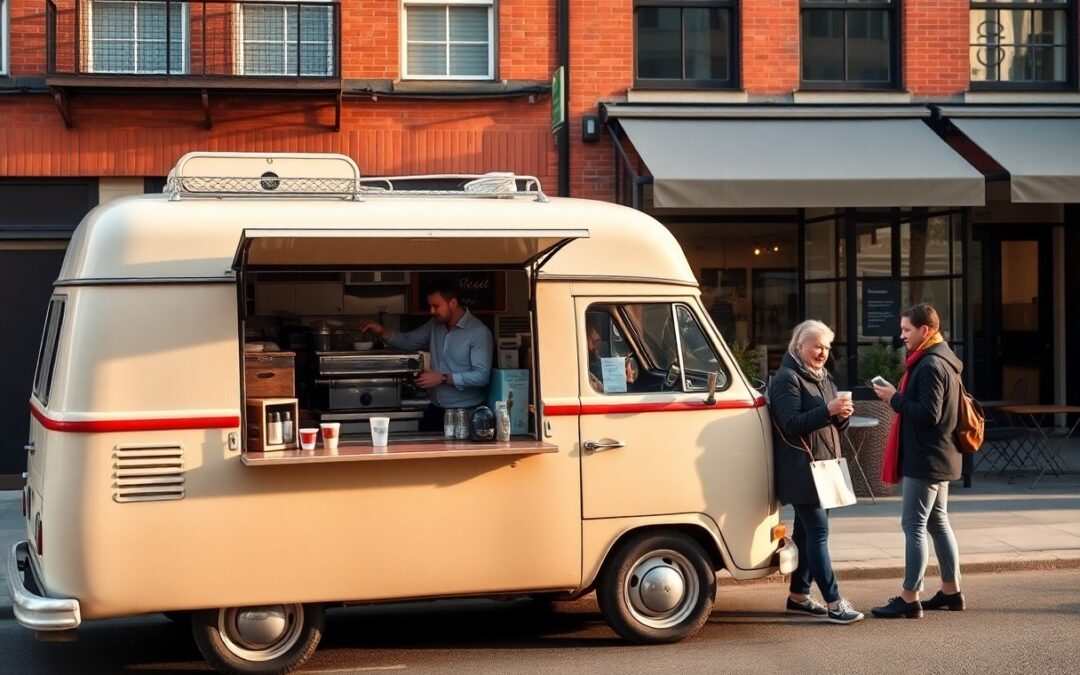
Just ask how a coffee van delivers café-quality drinks to your neighborhood, tests convenience and cost, and cultivates local connection; you weigh whether convenience and community signal a passing trend or a durable change in how you access specialty coffee.
Key Takeaways:
- Coffee vans pair low startup costs and location mobility with visible, convenient service, attracting entrepreneurs and customers seeking quick, social experiences.
- Vans typically complement cafés by serving event-driven, commuter, and pop-up markets, while cafés keep advantages in space, menu depth, and a consistent atmosphere.
- Long-term adoption hinges on consistent drink quality, supply-chain efficiency, licensing, and strong branding; without those, vans are more likely to remain a popular novelty.
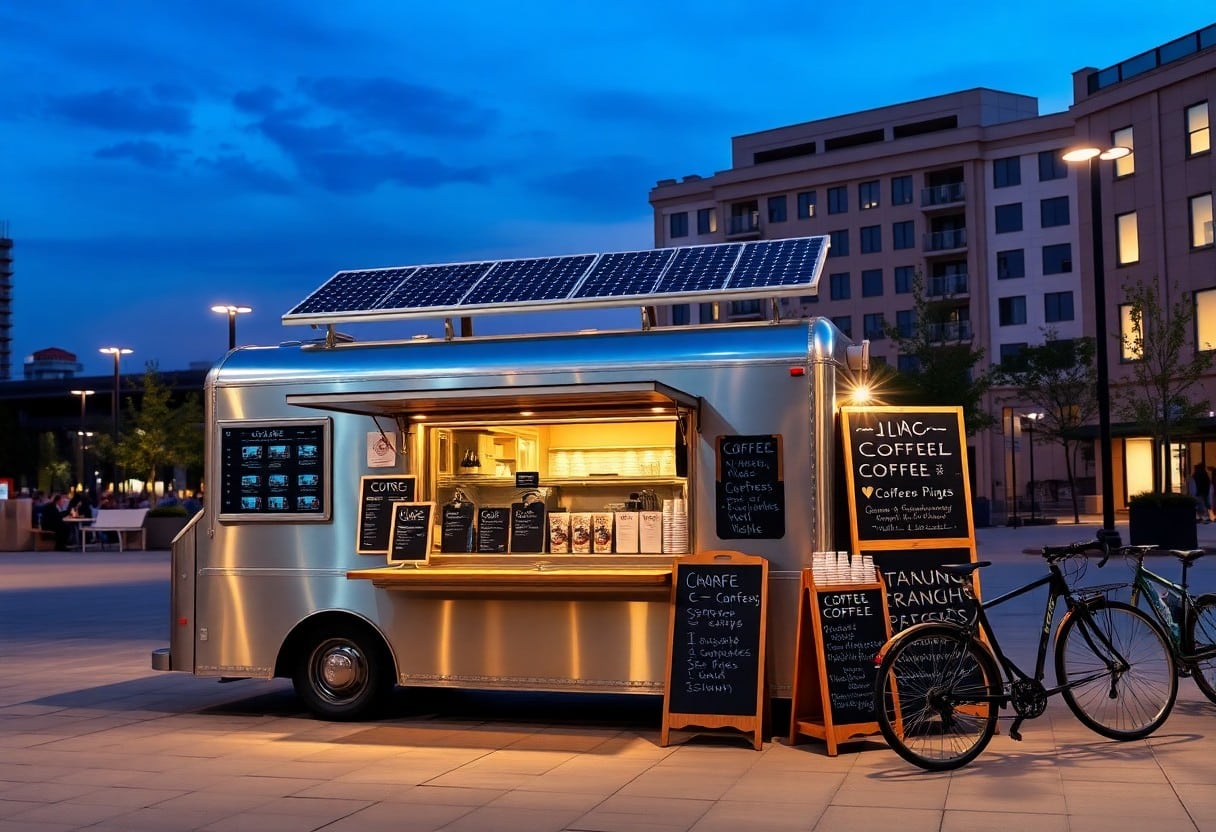
The Evolution of Mobile Coffee Culture
Cities have watched mobile coffee transform from weekend novelty to an integral part of daily routines, and you now expect quick access without sacrificing flavor.
Mobile operators refined service models and you judge them by bean transparency, brewing skill and consistent pour rather than gimmicks.
From street carts to boutique mobile units
Early street carts relied on location and charm to build repeat customers, so you learned to seek out regulars for reliable espresso.
The impact of the third wave on mobility
Third-wave roasters brought origin-driven narratives and precise extraction into mobility, so you demand single-origin options, tasting notes and skilled baristas even at a van.
Craft vans now showcase micro-lots, manual brews and public cuppings, which means you compare their offerings directly with neighborhood specialty cafés and expect parity.
Economic Dynamics: Low Overhead vs. High Volume
Economic models favor vans when you prioritize low fixed costs: modest permits, minimal staff, and far lower rent reduce your break-even point. Running a van lets you redirect capital into equipment or marketing rather than square footage.
Scale expectations shape your decision because vans thrive at targeted events and peak hours while cafés capture steady, predictable foot traffic and higher average order volumes that sustain full-time staffing and broader menus.
Comparative analysis of operational costs
Costs split into fixed and variable categories you must track: rent, utilities, and full payroll versus fuel, maintenance, and location fees; each affects per-cup margins differently.
Operational costs comparison
| Café | Coffee Van |
|---|---|
| High rent and long-term leases | Lower site fees, mobile permits |
| Multiple staff shifts | Small crew or solo operator |
| Utilities and waste management | Fuel, maintenance, limited utilities |
| Large inventory and storage | Lean inventory, faster turnover |
| Seating and ambience investments | Minimal capex, mobility |
Scalability and risk mitigation in mobile models
Mobile setups allow you to test routes and markets with low capital, add units incrementally, and shift focus by event type to chase demand spikes rather than fixed daily sales targets.
Expanding through additional vans, partnerships with venues, or short-term contracts reduces single-point risk, and you should plan for weather, insurance, and spare equipment to keep operations resilient.
Consumer Psychology: The Appeal of Convenience and Novelty
You respond to coffee vans because they deliver quick gratification and distinctive moments; the blend of near-instant service, visible preparation and playful design turns a routine caffeine run into a brief, memorable break you choose over longer café visits.
The on-the-go lifestyle and urban accessibility
If you move quickly through dense urban routes, a coffee van reduces transit friction by appearing where you already are, fitting into your schedule without detours and saving small amounts of time that add up across your day.
The psychological impact of the pop-up experience
When you encounter a pop-up van, limited availability and novelty trigger urgency and curiosity, making a purchase feel both timely and special rather than habitual and automatic.
What you also gain from pop-ups is a sense of personal connection and story: meeting a barista at a van, spotting unique menu items, and sharing the moment all strengthen memory and increase the chances you’ll return.
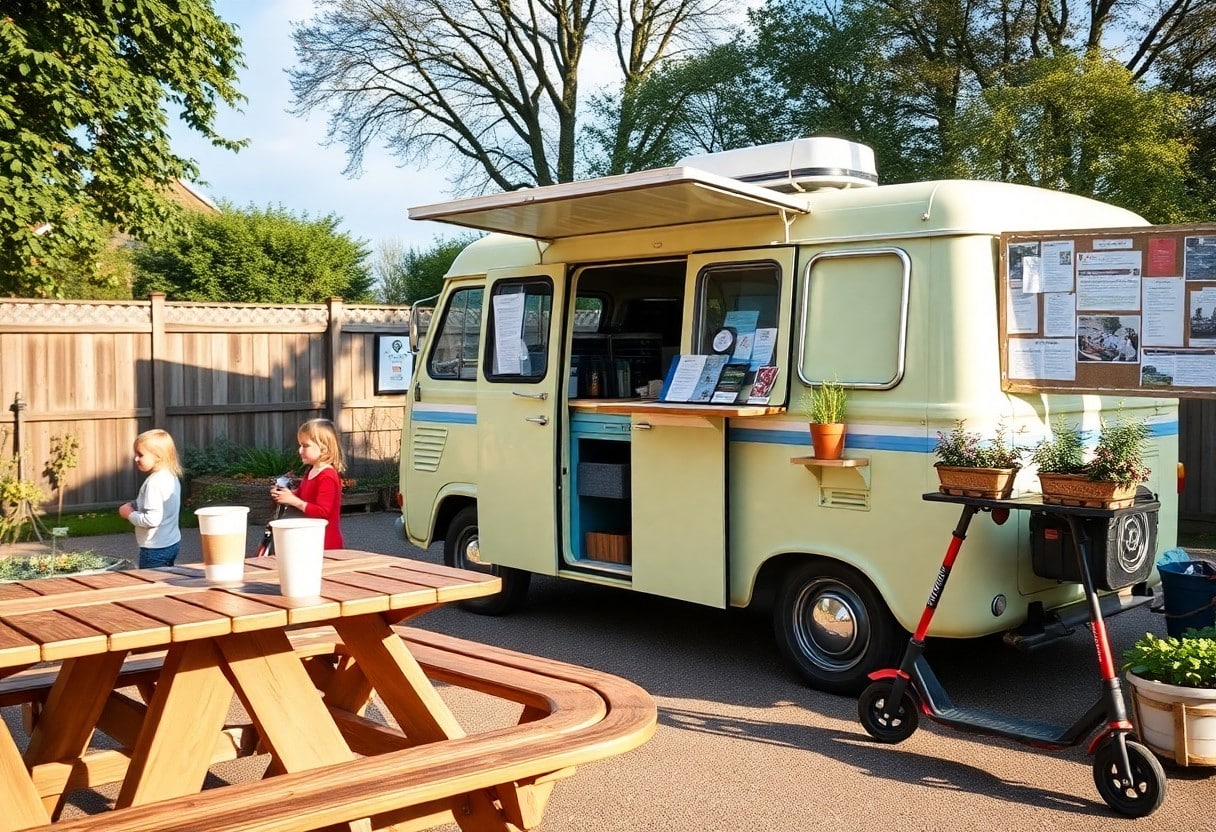
Community Integration and the Third Place Concept
Mobile coffee vans function as accessible third places, letting you drop by between tasks and form habitual social connections without the formality of cafés. They create low-pressure settings where conversations start naturally and familiarity grows through recurring presence.
You observe how a parked van anchors micro-communities-commuters, nearby workers, and parents-turning transient exchanges into reliable social routines that complement fixed cafés instead of replacing them.
Reimagining social spaces without four walls
Pop-up social points let you reclaim public space, blending commerce and companionship; you can choose quick standing chats or relaxed seating, shaping how communal time fits into your day.
Strengthening local ties through event-based presence
Event appearances let you reach different neighborhood circles-farmers’ markets, street fairs, school functions-so you can introduce your offering while strengthening ties through shared experiences.
Local collaborations give you opportunities to co-host workshops, fundraisers, or themed nights, which deepen trust and make the van an expected, valued presence at community moments.
Technological Integration in Mobile Retail
Technology helps you run the van like a micro-café by syncing POS, contactless payments, and inventory across locations. You can shorten queues, speed service, and maintain consistent quality while adapting quickly to demand.
Data from each sale and visit helps you refine routes, stock choices, and scheduling based on real customer behavior. You can test times and spots, optimize margins, and reduce wasted ingredients with targeted insights.
Digital ordering and location-based marketing
Apps let you capture orders, payments, and preferences before customers arrive, so you serve them faster and with fewer errors. You can use order histories to personalize offers and drive repeat visits.
Geo-targeting pushes timely promotions to nearby users and alerts regulars when you arrive. You can measure conversion by location and adjust parking strategy to maximize foot traffic and revenue.
Innovations in compact, high-performance brewing equipment
Compact espresso systems now pack PID control and consistent pressure profiles into van-friendly footprints, so you can deliver café-grade shots from a mobile setup. You can maintain extraction standards despite space constraints.
Thermal management, vibration damping, and quick-clean designs keep grinders and brewers stable on uneven surfaces while minimizing downtime. You can choose equipment that reduces water use and speeds daily maintenance.
You will see hybrid units combining automated pour-over, micro-steam, and precise dosing that expand your menu without slowing service, allowing you to match or exceed café offerings from a single mobile unit.
The Future Outlook: Saturation or Sustainable Shift?
You can spot local clusters where vans fill gaps cafés ignore, indicating growth driven by convenience, events and lower entry costs rather than novelty alone.
Urban rules, permit cycles and commuter patterns will force you to adapt routes and hours, so durability rests on disciplined operations and community ties.
Assessing the longevity of the mobile business model
Assessment of cashflow and footfall patterns shows you can secure healthy margins with lower fixed costs, but you must plan for weather volatility and event-driven demand spikes.
Hybrid models: The synergy of brick-and-mortar and vans
Retail sites let you stage vans as outreach tools so you can expand service areas without duplicating full‑size café overheads.
Brand consistency demands you train mobile crews and standardize menus to preserve quality and customer trust across formats.
Operators who use sales and location data help you avoid cannibalization by timing van routes to complement shop peak hours and capture different customer segments.
Final Words
You should view coffee vans as a flexible extension of café culture rather than mere novelty. Their convenience, lower overhead and mobility let you reach new customers and test concepts, but full replacement of cafés is unlikely because you value space, comfort and crafted menus. You can expect coexistence as vans drive innovation and reshape expectations without erasing traditional cafés.
FAQ
Q: Is the appeal of a coffee van merely novelty, or does it represent a genuine shift away from traditional cafés?
A: The appeal mixes novelty with structural change in consumer habits. Mobile coffee taps into demand for convenience, lower overhead, and event-driven sales, creating opportunities that fixed cafés cannot match. Urban areas with high foot traffic show measurable sales spikes for vans during peak hours and events, while established cafés retain morning routines, third-place comfort, and sit-down trade. Market evolution is moving toward a hybrid model where vans complement cafés rather than replace them wholesale.
Q: Which customer segments are most attracted to coffee vans?
A: Commuters and office workers favor vans for quick, convenient service near transit and construction sites. Event attendees and festival crowds seek mobile coffee for on-the-spot purchases and variety. Younger consumers and social-media-oriented buyers are drawn to unique branding, specialty menus, and photo-friendly setups. Customers prioritizing ambiance, long visits, or consistent workspace still prefer brick-and-mortar cafés.
Q: How does beverage quality from vans compare with that from cafés?
A: High-quality coffee in vans is achievable when operators invest in commercial-grade equipment and trained baristas. Space constraints and power limits can affect extraction consistency, milk steaming, and batch sizes, producing variance between visits. Specialty vans focused on craft coffee often match café standards by streamlining menus and controlling variables. Quality consistency depends on operator skill, equipment maintenance, and sourcing discipline.
Q: What are the economic pros and cons for entrepreneurs choosing a coffee van over a café?
A: Startup costs for vans are generally lower than those for full cafés, with smaller rent obligations and faster time-to-market. Variable income tied to location and weather adds financial risk, and daily setup, transport, and parking add labor and maintenance expenses. Licensing, permit fees, and event booking can create unpredictable costs but also high-margin pop-up opportunities. Profitability hinges on route strategy, peak-hour targeting, and tight cost control.
Q: Do coffee vans offer environmental benefits or drawbacks compared to cafés?
A: Mobile operations can reduce embodied energy tied to permanent storefronts, and some vans minimize waste by using reusable cups and local suppliers. Single-use cup consumption can increase with takeaway-focused models unless operators implement refundable cup schemes or compostable alternatives. Energy use per cup depends on generator efficiency and refrigeration needs, so environmental outcomes vary by operator choices and scale.
Q: What regulatory and operational hurdles do coffee vans face that cafés typically do not?
A: Local permitting for street vending, parking restrictions, and event-specific licenses create a complex regulatory patchwork for vans. Health inspection requirements remain stringent, and logistical issues such as water supply, waste disposal, and secure storage intensify daily operations. Weather exposure and limited storage force tighter inventory planning and contingency strategies. Cafés avoid many mobile-specific logistics but must manage higher fixed costs and zoning rules.
Q: Will coffee vans become a dominant model for coffee retail, or will they remain a complementary niche?
A: Market indicators point toward coexistence rather than domination. Growth in mobile coffee will continue in cities, campuses, construction sites, and events where flexibility beats fixed locations. Traditional cafés will maintain roles as social hubs, workspaces, and brand anchors, while chains and independents experiment with mobile offshoots and pop-ups. Long-term industry change will reflect greater diversity in delivery formats and customer choice.