Specialty coffee has become a familiar phrase on café boards, roastery websites and online shops across Australia, yet many coffee drinkers are still unsure what it actually means. Is it a marketing label, a brewing method, or something more fundamental? The short answer is that specialty coffee represents a different approach to the entire coffee process, from the way beans are grown and sourced to how they are roasted, brewed and served.
Australia has built a strong reputation for specialty coffee, with roasters across the country attracting devoted followings. But to understand what makes their coffee different, it helps to look at how specialty coffee moves from farm to cup.
What Sets Specialty Coffee Apart
Specialty coffee is not a single style of roast or a particular type of drink. It describes coffee that has been carefully grown, harvested, processed and roasted with an emphasis on quality and flavour. Rather than blending large volumes of beans to create a consistent but generic product, specialty roasters treat each batch as a craft product with its own character.
Coffee Alchemy in Sydney expresses this idea simply: you do not need to speak coffee to enjoy great coffee. Their range includes smooth, caramelly blends designed for a morning latte as well as vibrant, fruity single origins for the curious drinker, and every coffee is crafted to taste exceptional in real life cups, not just on cupping tables. That focus on the drinking experience, rather than just the raw product, is central to what makes specialty coffee different.
Small Batch Roasting and Freshness
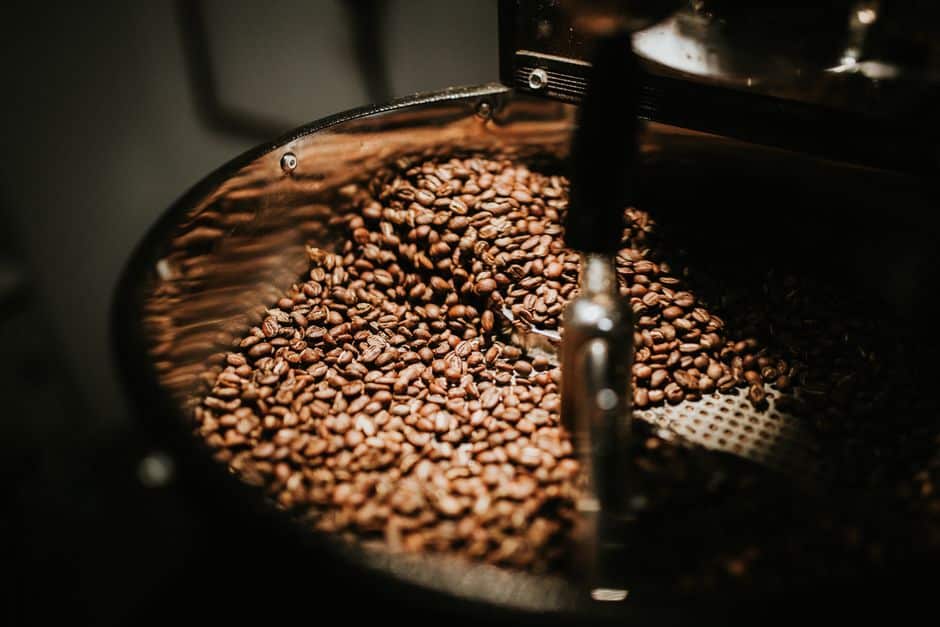
One of the most visible differences between specialty coffee and commercial coffee is the scale of roasting. Large commercial roasters often produce enormous quantities of beans that sit in warehouses and on shop shelves for long periods. Specialty roasters, by contrast, tend to work in small batches to maximise freshness, consistency and flavour.
Lygon Coffee, an Adelaide-based specialty coffee roastery, roasts premium Arabica beans in small batches, with every roast developed to highlight the unique character of each origin while maintaining consistency and quality. This approach means the coffee you buy has been roasted recently, and that freshness translates directly into a better cup. Once coffee is roasted, it begins to lose the volatile compounds that give it aroma and flavour, so a shorter time between roasting and brewing makes a real difference.
Sourcing: Single Origins and Rare Beans
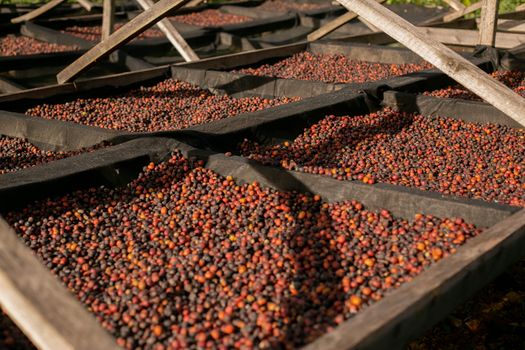
Specialty coffee roasters in Australia often place a strong emphasis on where their beans come from. Single origin coffees, which come from one farm or region rather than a blend of sources, allow drinkers to taste the particular characteristics of that place. These coffees can be strikingly different, with flavour profiles ranging from bright and fruity to rich and chocolatey.
Parallel Roasters describes itself as a destination for specialty coffee and offers a range of single origin coffee beans starting from $25.00 AUD. Offshoot Coffee takes sourcing further, offering rare coffees sourced from remote areas that grow beans with a rich and distinguished taste. Roasting Warehouse similarly offers specialty coffees, including blends such as Evolve, Happy Days and Early Bird.
For roasters like Lygon Coffee, sourcing premium Arabica beans from renowned coffee-growing regions around the world is the foundation of their work. The OmniSoul signature omni-roast blend is designed to work well across different brewing methods, while single origin coffees showcase the distinct flavour of a particular origin.
The Specialty Coffee Scene in Australia
Australia is home to a large and active specialty coffee community. ONA Coffee, a well-known Australian roaster, describes itself as a sustainable roaster offering a selection of specialty coffee beans. Coffee Alchemy in Sydney presents itself as Australia’s best coffee, with expertly roasted coffee for every kind of coffee drinker, while Pablo & Rusty’s in Sydney provides ethically sourced specialty coffee beans with a sustainable coffee delivery service.
Other roasters frequently mentioned in Australian coffee conversations include Tim Adams Speciality Coffee on the Sunny Coast, 5 Senses Coffee, Floozy Coffee, Proud Mary and Seven Seeds. This list, often recommended by home espresso enthusiasts, shows the breadth of the specialty coffee industry across the country.
Learning and Community
Specialty coffee is also about education and community. Five Senses Coffee runs a Barista Academy with locations in Victoria, Western Australia, New South Wales, South Australia and Queensland, with a mission to give people the knowledge to make the best cup they can. Training across multiple states reflects the demand from both home brewers and hospitality professionals to understand coffee more deeply.
This educational side of specialty coffee encourages drinkers to pay attention to what they are tasting. Instead of simply ordering a flat white without much thought, specialty coffee drinkers often develop preferences for particular origins, roast profiles and brewing methods.
Why Specialty Coffee Costs More
Specialty coffee generally costs more than commercial coffee, and the reasons are tied to the entire supply chain. Rare beans from remote growing areas, careful processing, small batch roasting and skilled brewing all add cost. For many drinkers, the difference in flavour justifies the price.
Roasting Warehouse lists specialty coffees such as Evolve from $21.50 AUD, Happy Days from $21.50 AUD and Early Bird from $23.50 AUD, giving a sense of typical pricing for quality beans. Online roasters often offer free shipping thresholds to make regular ordering practical. Coffee Alchemy offers free standard shipping Australia-wide on orders over $55, Manta Ray Coffee offers free shipping on orders over $70, and ONA Coffee provides free express shipping on orders over $120.
When the cost is spread across the number of cups you can brew from a bag of beans, specialty coffee becomes a modest daily expense rather than a luxury. The freshness and flavour of recently roasted beans also mean you are likely to enjoy the coffee more, which is the whole point.
Specialty Coffee Beyond the Café
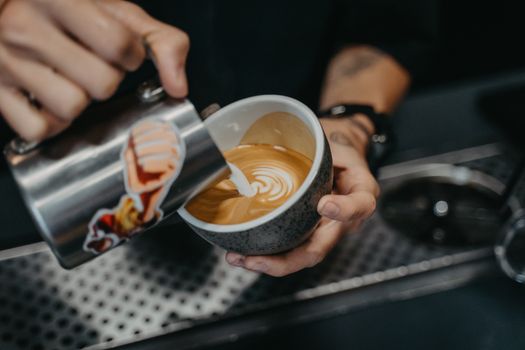
Specialty coffee is not limited to café counters. In Adelaide, Lygon Coffee combines the craftsmanship of a specialty roastery with professional mobile coffee catering, serving café quality coffee from a mobile coffee van at weddings, corporate events, sporting events, festivals, markets and private functions. The van uses freshly roasted beans, premium milk and experienced baristas to deliver the same standard of coffee you would expect from a dedicated café, but on location.
This expansion of specialty coffee into events and workplaces shows that the category is about the complete experience, not just the beans. A well-made coffee at a wedding or corporate function can lift the occasion, and hosts increasingly see quality coffee as part of good hospitality.
How to Choose Specialty Coffee Beans
If you are new to specialty coffee, start by looking for a roaster rather than a supermarket brand. Australian specialty roasters sell directly to consumers online, and many offer subscriptions so you can receive fresh beans regularly. Pablo & Rusty’s, for example, offers coffee subscriptions for home use as well as office coffee subscriptions for workplaces.
Think about what you enjoy drinking. If you like a smooth, approachable cup with milk, a blend such as Lygon Coffee’s OmniSoul omni-roast may suit you well. If you want to explore the range of flavours that coffee can offer, try a single origin and pay attention to how the flavour changes with different brewing methods.
Frequently Asked Questions
What makes a coffee “specialty”?
Specialty coffee refers to beans that are carefully grown, processed and roasted to preserve their natural flavour. In Australia, roasters such as Coffee Alchemy, ONA Coffee and Pablo & Rusty’s built their reputations on this approach. The focus is on quality and character rather than volume, and the result is a fresher, more distinctive cup of coffee.
Is specialty coffee worth the extra cost?
Many drinkers find that the difference in flavour makes specialty coffee good value. Small batch roasting, careful sourcing and freshly roasted beans all contribute to a better cup. When you consider that a bag of beans produces many cups, the daily cost is modest. The key is buying from a roaster that roasts recently and delivers beans quickly.
What is the difference between a blend and a single origin coffee?
A blend combines beans from multiple origins to create a consistent, balanced flavour, which is why blends are often popular for milk based drinks. A single origin coffee comes from one farm or region and highlights the particular character of that place, which can be fruity, floral, nutty or chocolatey. Both have a place in specialty coffee.
Can I buy specialty coffee online in Australia?
Yes. Many Australian specialty roasters sell online and deliver nationwide. Manta Ray Coffee offers free shipping on orders over $70, Coffee Alchemy offers free standard shipping Australia-wide on orders over $55, and ONA Coffee provides free express shipping on orders over $120. Many roasters also offer subscriptions for regular delivery.