
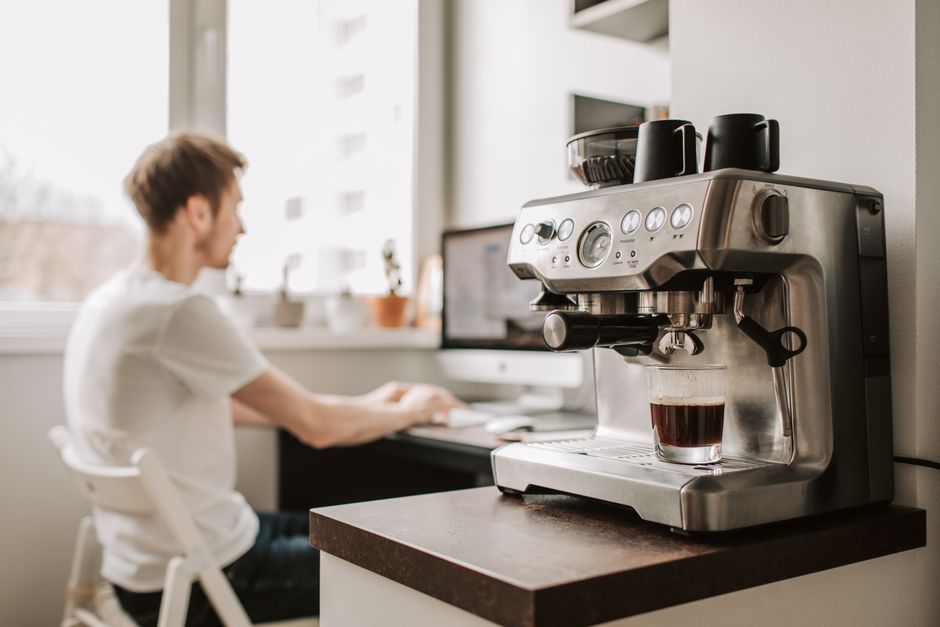
Setting up a reliable office coffee supply in Australia involves more than picking a machine and a bag of beans. The best setup balances fresh coffee, practical equipment, and a supplier who can keep everything running. Offices vary in size, teams have different preferences, and the difference between average and great coffee often comes down to how the beans were roasted and how well the equipment is maintained.
This guide covers the main decisions for Australian workplaces, from choosing beans to hiring machines, so you can set up an office coffee system that people actually use.
Start with fresh, well-sourced coffee beans
The quality of the coffee itself is the foundation of any office setup. Even the most expensive machine will not produce good coffee from stale or poorly roasted beans. Many Australian roasters now offer bulk coffee and brewing gear designed specifically for workplaces, and some run subscriptions for teams that take their coffee seriously.
When comparing suppliers, look for signs of quality and transparency. One Australian roaster, Rumble Coffee, has been roasting since 2014, holds over 1200 five-star reviews, and advertises transparent sourcing alongside B-Corp certification. Their Great Coffee Guarantee means they will change the coffee if you do not love it. That kind of confidence is worth looking for in a supplier, because it suggests the roaster is willing to stand behind the product.
Freshness also matters at a practical level. Roasters that supply offices, warehouses, factories, staff rooms and vending machines across states such as Victoria emphasise freshly roasted beans as the core of their service. Coffee that has been roasted recently retains more aroma and flavour, which is exactly what you want in a workplace setting where the coffee needs to stand up on its own.
Choose a supply format that suits your team
Office coffee supply comes in a range of formats, and the right one depends on how much coffee your team drinks and how often you want deliveries.
Bulk coffee is a straightforward option for offices with high consumption. Buying in larger quantities reduces the number of orders you need to place and can simplify stock management. Some roasters also offer brewing gear alongside bulk coffee, so you can build a complete setup from one supplier.
Subscriptions are another popular option. They take the guesswork out of ordering by delivering coffee on a schedule you choose. For example, Industry Beans offers an office supply subscription in 3kg increments, with a delivery schedule you can select. You can pick your preferred blend and set the delivery timing to match your office. This model works well for offices that want consistency without having to remember to reorder.
Before committing to a format, think about your team’s drinking habits. A small office might only need a couple of kilograms a month, while a larger workplace could go through that in a week. Matching the supply format to your consumption is one of the easiest ways to avoid waste and ensure you never run out.

Decide between hiring and buying a coffee machine
The machine is the other half of the equation. Australian offices have two main options: hire or rent a machine, or buy one outright. Both approaches have their merits, and the right choice depends on your budget, your office size, and how much responsibility you want to take on.
Machine hire is attractive because it shifts much of the maintenance burden to the supplier. Several providers across Australia offer office coffee machine hire and rental with no lock-in contracts, free delivery, and free servicing. One such provider, 7 Grams Coffee, says it is trusted by more than 1500 businesses including Coles. That level of adoption suggests that hire arrangements work well for a wide range of workplaces.
Other suppliers, such as Corporate Coffee Solutions, let you rent or buy office coffee machines with no lock-in contracts. Their corporate coffee machine rental includes installation, training, and ongoing maintenance, covering both espresso and automated systems for teams of all sizes, with bean delivery as part of the package. This all-in-one approach can be particularly useful for offices that do not have a dedicated person to manage the coffee setup.
Buying a machine gives you full ownership and may be more cost-effective over the long term, but it also means you are responsible for servicing and repairs. If you choose to buy, make sure you understand the servicing requirements and have a plan for keeping the machine in good condition.
Match the setup to your office size
Offices come in all sizes, and the right coffee setup for a five-person studio is very different from the setup for a 200-person corporate floor. Fortunately, Australian suppliers cater to the full range.
Segafredo Australia, for example, provides coffee machines for any sized office, from teams of 5 people to larger offices with 200 or more. This flexibility is important because a machine that works well for a small team can become a bottleneck in a busy office, while a commercial-grade machine is overkill for a handful of people.
For offices that want minimal fuss, fully automatic machines are a strong option. They handle grinding, tamping, and brewing at the touch of a button, which means staff do not need barista training to get a consistent result. My Office Coffee in Sydney offers fully automatic office coffee machines with no lock-in contracts, and invites prospective customers to book a free consultation and request coffee samples. Being able to taste the coffee before you commit is a genuine advantage, because it lets you confirm that the end result will suit your team.

What to look for in an office coffee supplier
Choosing office coffee in Australia does not have to be hard, but it pays to know what to look for and what to avoid.
Look for suppliers that offer no lock-in contracts. Flexibility matters in a workplace environment, because office sizes and staffing levels change. A provider that locks you into a long-term contract can become frustrating if your needs change.
Free delivery and free servicing are also worth seeking out. Delivery costs can add up quickly with regular coffee deliveries, and servicing is essential for keeping a machine running well. If a supplier includes these in the package, it removes two common sources of ongoing expense and hassle.
Training and installation are other valuable inclusions. A machine that arrives without proper setup or staff training is unlikely to be used well. Suppliers that include installation, training, and ongoing maintenance, such as Corporate Coffee Solutions, help ensure the equipment is used correctly from day one.
On the other side, avoid suppliers that are vague about their beans. Ask where the coffee is roasted and how fresh it will be at delivery. Avoid complicated pricing structures that make it hard to compare your options, and be wary of contracts that include hidden fees for servicing or repairs.

Working with a coffee supplier across Australia
Australia has no shortage of office coffee suppliers, and the market includes everything from local roasters to national providers. Some operate within a single state, such as Geelong Coffee Roasters, which supplies fresh roasted coffee to workplaces across Victoria. Others, like Essential Coffee, specialise in complete coffee solutions for business, offering coffee machines, consumable products, and servicing across Australia.
The right choice depends on your priorities. A local roaster may offer fresher coffee and more personal service, while a national provider may offer more consistent support if you have multiple office locations. It is worth contacting a few suppliers to compare their offerings and verify current pricing and delivery terms, since these details can change and are best confirmed directly with the provider.
For workplaces in Adelaide and South Australia, working with a local specialty roastery can be an excellent way to get freshly roasted beans and a more tailored service. Local roasters understand their beans, control their roasting schedules, and can often respond faster to your needs than a distant national supplier.
Frequently Asked Questions
Should our office rent or buy a coffee machine?
Renting is often the easiest option because it typically includes free delivery, servicing, and maintenance without a lock-in contract. This suits offices that want minimal responsibility. Buying may be better for offices that use the machine heavily over many years and want to own the asset outright. Compare the upfront cost of buying against the ongoing rental fee before deciding.
How much coffee does an office need?
It depends on the number of staff and how much they drink. Some roasters offer subscriptions in 3kg increments with a delivery schedule you can adjust, so you can scale up or down as needed. Start with an estimate based on how many cups your team drinks per day, then adjust your first few deliveries to match actual consumption.
What is the best type of coffee machine for an office?
Fully automatic machines are popular in offices because they brew consistently without requiring barista skills. Espresso and automated systems are both widely available, and suppliers can match a machine to offices of any size, from 5 people to more than 200. Request a free consultation and coffee sample if a supplier offers one, so you can test the results.
Can we try office coffee before committing to a supplier?
Yes. Some Australian suppliers offer free consultations and coffee samples as part of their service. For example, My Office Coffee invites prospective customers to book a free consultation and taste the coffee before signing up. Sampling is a practical way to check the quality and flavour of the beans without committing to a long-term arrangement.
Setting up an office coffee supply in Australia is about finding the right combination of fresh beans, a suitable machine, and a supplier who supports you. Start by defining your team’s needs, compare a few providers, and take advantage of sampling and consultation offers before you commit.