
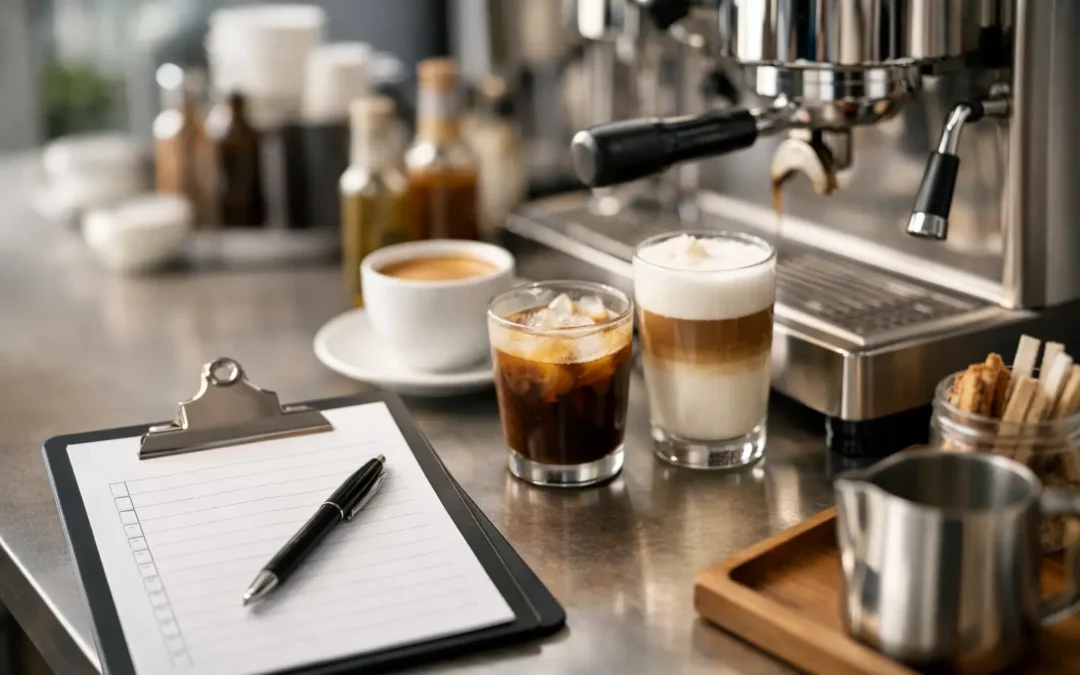
A great coffee moment can change the feel of an event before the first speech is made or the first meeting begins. This espresso catering checklist helps you plan the practical details behind that moment: the rich aroma at arrival, a barista who keeps the line moving, and cups made properly for every guest.
Whether you are organising an Adelaide product launch, a workplace morning tea, a wedding recovery brunch or a community gathering, coffee service works best when it is considered early. The right setup is not just about bringing an espresso machine. It is about matching service speed, menu, space and guest expectations so the experience feels easy from the first flat white to the final long black.
Start Your Espresso Catering Checklist With the Guest Count
Guest numbers shape almost every decision. They help determine how much coffee, milk, ice, cups and staffing your event needs, but the total headcount is only the starting point. Think about how many people will actually want a drink and when they are likely to order.
A 100-person breakfast event may see a strong rush in the first 45 minutes, particularly if guests arrive straight from their commute. At an afternoon activation running across several hours, orders may be spread more evenly. For an all-day conference, coffee demand often peaks at registration, morning tea and immediately after lunch.
As a general planning approach, estimate that 60 to 80 per cent of guests will have a coffee when it is the main refreshment offering. Add capacity when your crowd is coffee-focused, the event begins early, or a free coffee is part of the invitation. If there are several food and drink stations, demand may be lower and more staggered.
Give your caterer a realistic attendance range, not only the ideal number. This makes it easier to prepare for a busy room without over-ordering supplies. It also helps to share whether guests are staff, clients, families or members of the public. Each group has a different rhythm, and an experienced mobile coffee team can plan service around it.
Decide What the Coffee Is There to Do
Coffee can be a welcome gesture, a practical workplace perk or the centrepiece of a branded experience. Be clear about its job at your event, because that affects the timing and presentation.
For a corporate breakfast, fast, familiar favourites may be the priority. For a retail launch or promotional activation, branded cups, a curated menu and a beautiful van setup can create stronger recall. At a wedding or private celebration, the goal may be a relaxed café-style pause between formal moments.
This is also the time to decide whether every drink is hosted, guests receive a set allocation, or coffee is available for purchase. A hosted service feels generous and removes friction, while a paid service can be a sensible option for longer public events. Neither is automatically better. It depends on your budget, audience and the experience you want to create.
Choose a Menu That Keeps the Queue Moving
A concise menu is usually the sweet spot. Espresso, long black, flat white, latte, cappuccino and mocha cover most preferences, while tea and hot chocolate help non-coffee drinkers feel included. Alternative milks are now an expected part of a thoughtful service, not an afterthought.
A wide menu can sound impressive, but it can slow a high-volume rush. If speed matters, keep custom drinks and complicated add-ons to a minimum. You can still serve café-quality coffee with beautifully textured milk and freshly brewed flavour without turning every order into a lengthy consultation.
Ask your caterer how they handle dietary requirements. Oat, almond, soy and lactose-free options may be worth including, especially for workplace or public-facing events. If food is being served, consider the menu alongside it. Espresso drinks pair naturally with pastries and breakfast fare, while iced coffees can be a real winner for warm outdoor events.
For a polished guest experience, make the menu visible from the queue. Clear signage reduces questions, lets guests choose before they reach the machine and gives the barista more time to focus on the cup in front of them.
Confirm the Site Details Before Booking
Mobile espresso catering is designed to bring the café to you, but every site has its own practical quirks. A quick site check can prevent last-minute reshuffling and keep service flowing.
Share these details with your coffee provider:
- The exact event address, access point and service location.
- Vehicle access, height restrictions, loading zones and parking arrangements.
- Available power and water, if required, plus any venue rules around generators.
- The service area surface, weather exposure and room for guests to queue safely.
- Your bump-in time, event start, finish and pack-down requirements.
For indoor events, check doors, lifts and corridors early. A coffee cart or mobile setup needs a clear path in, and the venue may have particular requirements for power, floor protection or waste. For outdoor events, think beyond the forecast. Shade, wind, uneven ground and a wet-weather alternative all matter.
Power is particularly worth confirming. Commercial espresso machines and grinders need reliable capacity to perform at their best. Your catering team can advise on their requirements, but they need accurate information from the venue rather than a guess on the day.
Plan Service Timing, Not Just Event Timing
An event may run for four hours, but that does not mean coffee needs to be served at full pace for four hours. The most successful bookings are built around the moments when guests genuinely want a cup.
If you have a strict agenda, place the coffee service before the programme begins, during breaks or after formal presentations. Avoid opening a busy coffee station at the same time as a keynote unless you want guests choosing between caffeine and content. At networking events, coffee can be a natural conversation starter, but the service area should sit close enough to the action without blocking it.
For a sharp morning rush, consider opening 15 to 30 minutes before the official start. Guests can arrive, collect their coffee and settle in without creating a bottleneck at the exact beginning. At larger events, extra barista capacity or a longer service window may be more valuable than an overly elaborate menu.
Make Space for the Queue and the Conversation
Coffee lines are not always a problem. A short queue with the smell of freshly ground beans can build anticipation and draw people into a space. A cramped line that blocks registration, food service or a doorway is another story.
Allow room for guests to approach, order, wait and leave without crossing paths. Put the station where it is easy to find, yet slightly away from high-traffic pinch points. If your event has name badges, giveaways or product samples, avoid placing all of them in one narrow corridor.
Think about who will manage the flow. At a large activation, a team member can greet guests, explain the offer and direct them towards the menu while baristas focus on making drinks. That small detail can make a busy service feel calm and generous.
Bring Branding In Only Where It Adds Value
For corporate functions and promotional events, coffee can carry your brand beyond a logo on a banner. Branded cups, sleeves or signage can turn a refreshment into a memorable touchpoint, particularly when people are likely to photograph and share the moment.
The trade-off is lead time. Custom print runs need planning, and branded elements should suit the event rather than compete with it. For a refined client breakfast, a simple menu board and excellent service may say more than a heavily decorated station. For a public activation, bold visual treatment can make complete sense.
Consider the language your guests will hear, too. A warm welcome, a quick explanation of the coffee and a barista who remembers an order can make your brand feel genuinely hospitable. The best activations do not force conversation. They create a reason for it.
Confirm the Details That Protect the Experience
Before the event, confirm your final guest estimate, service hours, menu, dietary options, site contact and access instructions in writing. Let the venue know a coffee provider is arriving, particularly if there are security gates, loading dock bookings or induction requirements.
It is also wise to nominate one person who can make quick decisions on the day. They should know where the setup goes, who to call if access changes, and whether hosted coffee has a spending cap or time limit. Clear direction protects the experience for guests and saves your event team from chasing small decisions during a busy morning.
Coffee is at its best when it feels effortless, even though there is plenty of care behind the scenes. A well-planned mobile service gives guests that first fragrant, freshly brewed pause in the day and makes it feel like it was waiting just for them. When you are ready to bring café-quality coffee to your next gathering, Lygon Coffee can help turn the practical plan into cups people remember.