
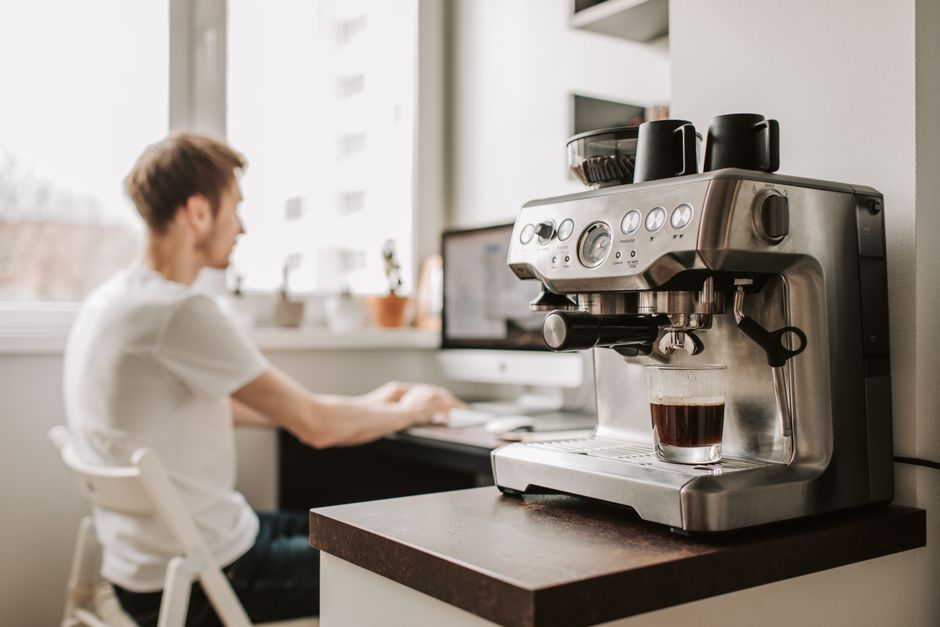
Bean to cup coffee machines have become a familiar sight in Australian kitchens. Instead of grinding beans separately, tamping a portafilter and steaming milk by hand, these machines do most of the work for you. The appeal is obvious: whole beans are ground fresh for each drink, and with a single touch you can have an espresso, cappuccino or flat white without needing barista skills.
If you are shopping for a bean to cup machine in Australia, you will find a wide range of options from well-known brands such as De’Longhi, Smeg, JURA, Melitta, Miele and Gaggia. Retailers including JB Hi-Fi, The Good Guys, Harvey Norman, Di Pacci and Alternative Brewing all stock automatic machines, so there is plenty to compare. The challenge is knowing which features actually matter and which ones you will use every day.
What Is a Bean to Cup Coffee Machine?
A bean to cup machine takes whole coffee beans and turns them into a finished drink in one continuous process. As the name suggests, the coffee goes from bean to cup without you having to handle ground coffee at all. The machine grinds the beans, doses the ground coffee, extracts the espresso and, in many models, textures milk for drinks like cappuccinos and flat whites.
Retailers group these machines under different names, including fully automatic coffee machines and automatic espresso machines. CHOICE, the Australian consumer organisation, tests automatic espresso machines from brands such as DeLonghi, Jura, Gaggia, Melitta, Miele and more, which reflects just how popular this category has become. For most home buyers, the key decision is whether to choose a fully automatic or a semi-automatic model.
Fully Automatic vs Semi-Automatic
The main distinction between the two types comes down to how much of the process the machine handles for you. Fully automatic machines manage the complete bean to cup process, while semi-automatic models automate some steps but leave more control in your hands.
Fully automatic machines
Fully automatic machines do the entire job from start to finish. They handle the complete bean to cup process, offer pre-programmed drinks, and are controlled through a touchscreen or simple buttons. You select your drink, and the machine grinds, brews and often also texts the milk. This is the easiest option if you want consistent results with minimal effort.
Semi-automatic machines
Semi-automatic machines automate the grinding and dosing of coffee, but they stop short of doing everything for you. You still have some involvement in the brewing process, which can appeal to people who enjoy a little hands-on control. The trade-off is that you get more flexibility, but the results depend more on your technique.
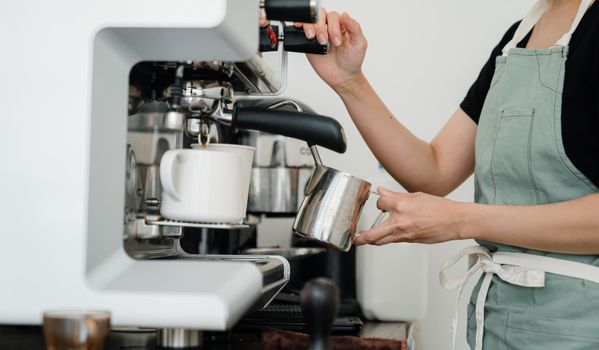
What to Look For in a Bean to Cup Machine
Once you have decided between fully automatic and semi-automatic, the next step is comparing features. Not every machine offers the same set of options, and the right choice depends on how you take your coffee and how much effort you want to put in each morning.
Integrated grinder
The integrated grinder is the heart of any bean to cup machine. Because the grinder sits inside the machine, whole beans are ground immediately before extraction, which helps preserve freshness and flavour. If you are serious about coffee, a machine with a quality grinder makes a noticeable difference compared with using pre-ground coffee. This is also why bean to cup machines appeal to people who want fresh coffee without buying a separate grinder.
Pre-programmed drinks
Most fully automatic machines come with pre-programmed drink options such as espresso, cappuccino and flat white. Some models even brand their one-touch recipes as a key selling point. The Good Guys, for example, highlights integrated grinding, one-touch recipes and consistent extraction from brands such as De’Longhi, Smeg and JURA. If you mainly drink milk-based coffees, check that the machine includes the drinks you actually want, rather than assuming every model covers the full range.
Milk texturing and steam wands
Milk-based coffees are a daily staple for many Australians, so the way a machine handles milk matters. Some bean to cup machines include a steam wand that lets you texture milk yourself, while others automate milk frothing as part of the pre-programmed drink cycle. Smeg’s bean to cup machines, for instance, are available with a steam wand for milk. If you prefer a hands-off experience, look for a model that handles milk automatically. If you enjoy a more traditional approach, a steam wand gives you more control over the texture and temperature of your milk.
Controls and interface
Controls vary from simple buttons to full touchscreens. Fully automatic machines often use a touchscreen or button controls to access pre-programmed drinks. Think about how you will use the machine every day. A straightforward button layout can be just as effective as a flashy touchscreen, especially if you only make one or two drinks at a time. The best interface is the one you find intuitive at 7am.
Brand and support
Bean to cup machines are a significant investment, so brand reputation and after-sales support are worth considering. CHOICE tests and compares automatic espresso machines from DeLonghi, Jura, Gaggia, Melitta, Miele and more, and these reviews can help you understand how different brands perform. Brands such as De’Longhi, Smeg and JURA are widely available through Australian retailers, which can make it easier to find servicing and support if you ever need it.
Popular Bean to Cup Brands in Australia
The Australian market has no shortage of bean to cup machines. JB Hi-Fi stocks fully automatic machines from brands like DeLonghi and Jura, while The Good Guys carries options from De’Longhi, Smeg and JURA. Di Pacci claims more than 80 models from brands including Melitta and Franke, giving buyers a broad range to choose from. Harvey Norman also sells automatic coffee machines, and Alternative Brewing says it has the largest range of manual and automatic coffee makers in Australia, with fast Australia-wide shipping and same day dispatch.
Specialist coffee retailers and major electronics chains both carry these machines, so it is worth comparing price, features and warranty across a few different stores. Gourmet Traveller has also published its own edit of the best home coffee machines in Australia for 2026, based on reviews, comparisons and tested machines, which can be a useful starting point if you are feeling overwhelmed by the number of choices.
Where to Buy Bean to Cup Coffee Machines in Australia
Bean to cup machines are available through a range of Australian retailers, both online and in store. JB Hi-Fi sells fully automatic coffee machines from brands such as DeLonghi and Jura, while The Good Guys carries automatic machines from De’Longhi, Smeg and JURA. Di Pacci is a specialist coffee company that stocks a wide selection of fully automatic machines, and Harvey Norman sells automatic coffee machines alongside its other kitchen appliances. Alternative Brewing offers a large range of manual and automatic coffee makers with fast Australia-wide shipping and same day dispatch for online orders.
Whichever retailer you choose, it pays to check the specific model’s features before you buy. A machine that looks similar to another on the shelf may have a completely different grinder, milk system or set of pre-programmed drinks. Reading consumer reviews and comparison guides, such as those from CHOICE, can help you avoid choosing a machine that does not suit your coffee habits.
Are Bean to Cup Machines Worth It?
Bean to cup machines suit people who drink coffee regularly and value convenience. If you currently buy takeaway coffee every day, a machine that grinds and brews fresh coffee at the touch of a button could save you time and trips to the café. Fully automatic models are particularly appealing if you want consistent results without learning how to dose, tamp and steam like a professional barista.
The machines are not the cheapest way to make coffee at home, and they take up more bench space than a simple drip filter. But for coffee drinkers who want fresh espresso and milk-based drinks without the fuss, they offer a level of convenience that manual machines cannot match. CHOICE’s ongoing testing of automatic espresso machines from brands such as DeLonghi, Jura, Gaggia, Melitta and Miele is a good sign that these machines are now a mainstream option for Australian households.
One thing to remember is that the machine is only half the equation. Freshly roasted beans make a significant difference to the flavour of your coffee, no matter how good the equipment is. Lygon Coffee, an Adelaide-based specialty roastery, roasts premium Arabica beans in small batches, and the OmniSoul signature blend is designed to suit a range of brewing methods. If you are investing in a bean to cup machine, pairing it with freshly roasted, well-sourced beans is the simplest way to get the best possible cup.
Frequently Asked Questions
Are bean to cup coffee machines worth it?
For regular coffee drinkers, yes. A bean to cup machine grinds whole beans fresh for every drink and handles the brewing process automatically, which means you can enjoy espresso, cappuccino or flat white at home without barista training. They cost more than simple coffee makers, but they can save money compared with buying takeaway coffee every day. Consider how much coffee you drink before deciding.
What is the difference between fully automatic and semi-automatic machines?
Fully automatic machines manage the complete bean to cup process, with pre-programmed drinks and touchscreen or button controls. Semi-automatic machines automate the grinding and dosing of coffee but leave more of the brewing process to you. Fully automatic models offer more convenience, while semi-automatic machines give you more hands-on control over the final result.
Which bean to cup brands are available in Australia?
Australian retailers stock machines from De’Longhi, Smeg, JURA, Melitta, Franke, Miele, Gaggia and others. CHOICE has tested automatic espresso machines from DeLonghi, Jura, Gaggia, Melitta and Miele, and retailers such as JB Hi-Fi and The Good Guys carry several of these brands. Di Pacci lists more than 80 fully automatic models, so there is plenty of choice across different price points and features.
Can bean to cup machines make milk-based coffees?
Yes. Many bean to cup machines include a steam wand for texturing milk, allowing you to make cappuccinos and flat whites at home. Fully automatic models often include pre-programmed milk drinks, while brands such as De’Longhi, Smeg and JURA are promoted for one-touch recipes and consistent extraction. If milk drinks are your priority, check that the model handles milk automatically or includes a steam wand.