
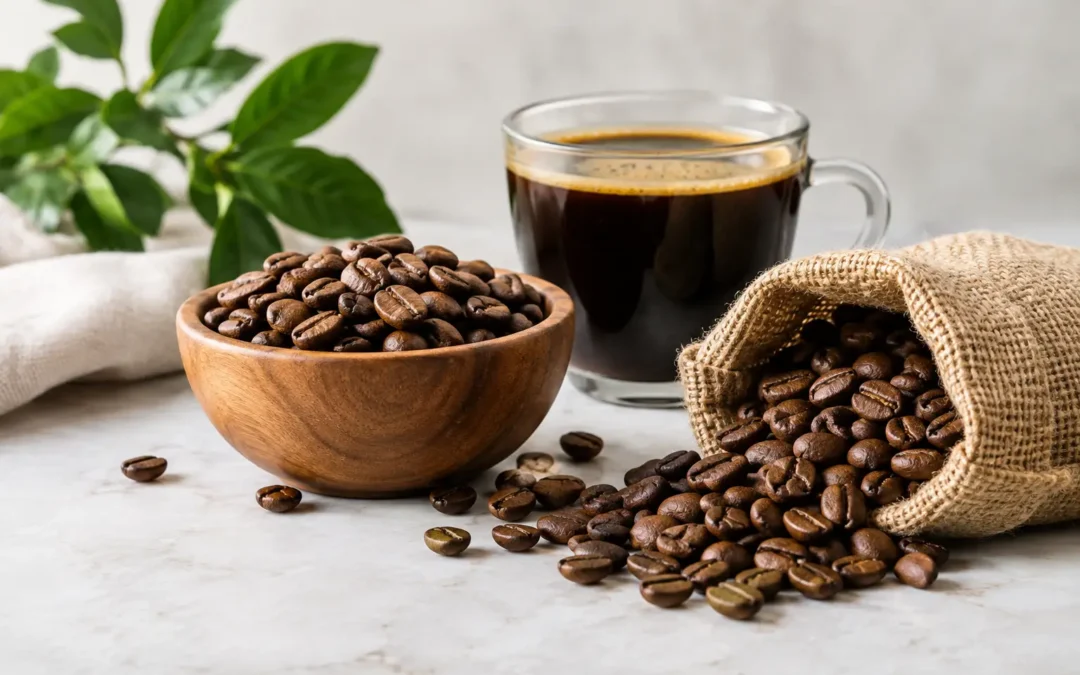
A great decaf should not taste like a compromise. It should still fill the kitchen with that first-grind aroma, pour a rich crema through the espresso machine, and give you a cup worth slowing down for. The best decaf coffee bean options do exactly that: they keep the character of specialty coffee intact while leaving most of the caffeine behind.
For anyone cutting back on caffeine, switching to an afternoon flat white without the late-night buzz, or keeping a considerate option in the office kitchen, decaf has become far more exciting than it once was. The difference comes down to the green beans, the decaffeination process, the roast, and how those flavours suit the way you brew.
What makes a decaf bean genuinely good?
Coffee starts with naturally complex flavours shaped by origin, variety, processing and roasting. Decaffeination happens before roasting, when caffeine is removed from green coffee beans. A little caffeine generally remains, but the process aims to preserve the sugars, acids and aromatic compounds that make coffee taste like coffee.
That last part matters. Decaf can seem thin, woody or oddly bitter when the coffee has been treated roughly, roasted without enough care, or brewed with the wrong recipe. A quality decaf, by contrast, can deliver chocolate, caramel, toasted nuts, stone fruit or gentle berry notes, depending on the bean and roast profile.
Freshness matters just as much as it does with regular coffee. Buy whole beans where possible, store them in an airtight container away from heat and light, and grind only what you need. It is a small ritual that makes a major difference to body, sweetness and aroma.
Best decaf coffee bean options by flavour and brew style
There is no single best choice for every cup. An espresso drinker who loves a velvety latte will often want something very different from a filter brewer looking for clean, bright flavour. Start with how you like to drink coffee, then choose a decaf with a profile that supports it.
Chocolatey, nutty blends for espresso and milk
A medium to medium-dark decaf blend with cocoa, roasted hazelnut, caramel or brown-sugar notes is a dependable all-rounder. These coffees usually have a fuller mouthfeel and lower perceived acidity, so they hold their own through milk without turning harsh.
This is the best place to begin if your usual order is a flat white, cappuccino, latte or long black. It is also a practical pick for shared workplace coffee, where one easy-drinking bean needs to please plenty of different palates. Look for a roast designed specifically for espresso rather than simply choosing the darkest bag on the shelf. Darker is not automatically richer – it can hide delicate sweetness and amplify bitterness if pushed too far.
Balanced medium roasts for black coffee drinkers
If you drink long blacks, americanos or espresso without milk, seek out a medium-roast decaf with balance at its core. Notes such as milk chocolate, dried fruit, red apple and caramel often create a rounded cup with enough sweetness to carry a black brew.
A balanced decaf is particularly useful for bean-to-cup machines because it is forgiving across a range of grind settings and dose sizes. Expect a comforting, everyday coffee rather than an aggressively fruity or smoky one. That is not a lesser experience – it is the kind of cup you can return to every morning, or every afternoon, without palate fatigue.
Lighter, fruit-forward single origins for filter coffee
For pour-over, batch brew, AeroPress or plunger coffee, a lighter-roasted single-origin decaf can be a brilliant change of pace. When decaffeination and roasting are handled well, these beans can show flavours like orange, plum, berries, florals and tea-like sweetness.
The trade-off is that lighter decafs demand more attention in brewing. Water that is too hot, a grind that is too fine or an overlong extraction can pull out dryness and bitterness. Give the coffee room to shine with a slightly coarser grind and a measured brew time. If you normally enjoy juicy, aromatic specialty coffee, this is where decaf can feel genuinely surprising.
Low-acidity options for a gentler daily cup
People often use “low acidity” to mean coffee that feels gentler on the stomach, though flavour acidity and how an individual responds to coffee are not exactly the same thing. For a softer, more mellow cup, look for decafs with chocolate, malt, almond and sweet spice notes, often from origins and blends known for a round body.
A medium roast is usually the sweet spot here. It can soften sharper fruit notes while retaining enough sweetness and depth for a satisfying brew. If coffee tends to feel a little intense after lunch, a mellow decaf brewed as a milk coffee may be your favourite new routine.
The decaffeination method changes the cup
The label may mention Swiss Water, Mountain Water, CO2 or solvent decaffeination. Each method can produce excellent coffee, so it is wiser to treat the process as a clue rather than a guarantee of quality.
Water-process decafs use water, temperature and filtration to draw out caffeine, and they are often sought out by drinkers wanting a chemical-free process. They can produce sweet, expressive cups when the source coffee is strong. CO2 decaffeination uses pressurised carbon dioxide and can retain aromatics very effectively, particularly in higher-volume commercial production.
Some decaf coffees use approved food-safe solvents to remove caffeine. The method has a long history and is tightly regulated, but some buyers prefer water or CO2 processing for personal preference. Whichever route you choose, judge the coffee in the cup. A transparent roaster should be able to tell you about the origin, processing method and expected flavour profile.
How to choose decaf beans without wasting a bag
Before ordering, think about the cup you want at 3 pm, not the tasting notes that sound most impressive on paper. A few details will narrow the field quickly:
- Choose an espresso-oriented blend for milk drinks, automatic machines and reliable everyday shots.
- Choose a medium roast for a flexible bean that works across espresso, moka pot and plunger brewing.
- Choose a lighter single origin if you enjoy filter coffee and want more fruit, florals and detail.
- Choose whole beans and check for a roast date, especially if freshness and crema matter to you.
It also pays to buy a smaller bag first. Decaf preferences can be personal. One person wants a bold, cocoa-heavy cup that tastes brilliant in a large latte; another wants the lively citrus lift of a carefully brewed filter. A smaller trial lets you dial in the grind and decide whether the bean suits your routine before committing to a larger bag.
Brewing decaf for fuller flavour
Decaf may need a little more care at the grinder. Because the beans have gone through an extra processing stage, they can extract differently from regular coffee. Begin with your normal recipe, then adjust one variable at a time.
For espresso, aim for a slow, syrupy shot rather than chasing a harsh, ultra-tight extraction. If the cup tastes sour or thin, try a slightly finer grind or a little more yield. If it tastes dry and bitter, grind a touch coarser or shorten the shot. For filter brewing, use clean filtered water, keep the bed evenly saturated and avoid letting the brew run too long.
Milk can also transform decaf. A chocolate-led bean paired with silky textured milk offers all the comfort of a café flat white, without making a late-afternoon meeting feel like a bad idea at bedtime. For Adelaide workplaces, events and home coffee rituals alike, that flexibility is worth having on hand.
Decaf belongs in a serious coffee rotation
Choosing decaf is not about settling for less. It is about making room for more coffee moments: a second cup after lunch, a warm welcome at an evening gathering, or a beautifully made brew when caffeine simply is not the goal. At Lygon Coffee, we believe every cup should feel considered, from the roast in the bag to the last sip.
Find a fresh decaf that matches your preferred brew method, take a few minutes to dial it in, and let the flavour do the convincing. Your evening coffee ritual can still be rich, fragrant and completely worth the pause.