
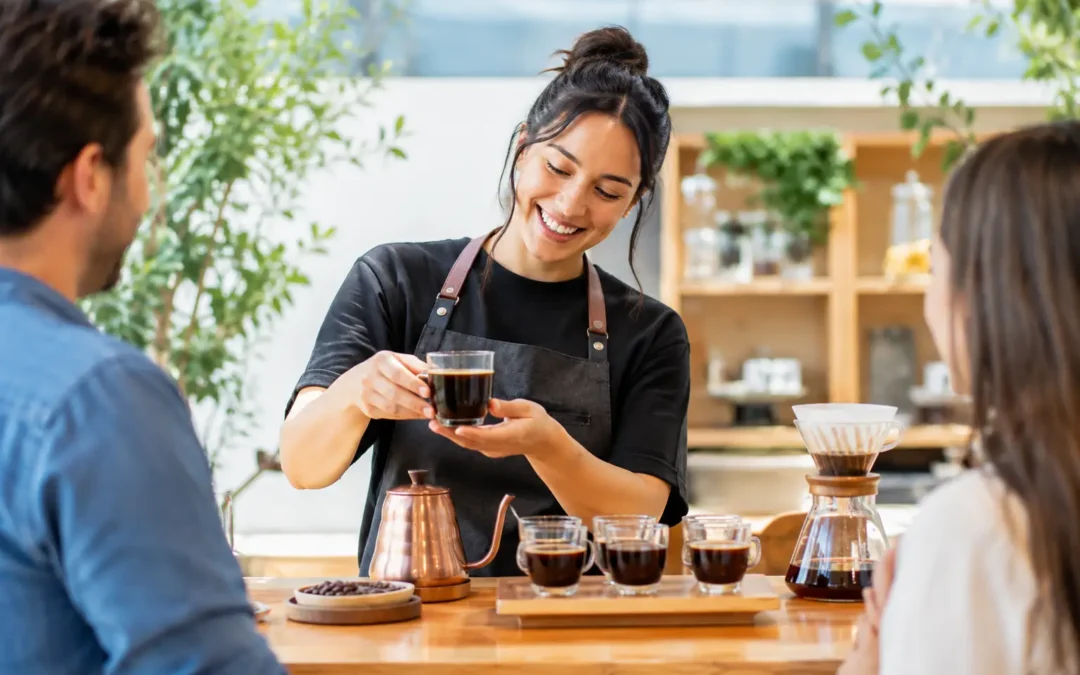
A branded flat white handed over at the right moment can do more for a customer relationship than a stack of brochures. That is why experiential coffee marketing trends are gaining ground with businesses that want people to stop, stay and remember how an interaction made them feel. Freshly brewed coffee gives a promotion a welcome ritual, a sensory cue and a genuine reason for people to gather.
For Adelaide businesses, event organisers and workplace teams, the appeal is practical as well as memorable. Coffee is familiar enough to feel effortless, yet special enough to turn a routine activation, open day or team morning into an occasion. The strongest campaigns do not treat coffee as a giveaway. They use it to create a moment of hospitality that reflects the brand behind it.
Why coffee has become an experience channel
Most people can spot a hard sell before they reach the stand. A mobile coffee bar changes the first exchange. Instead of asking for attention, it offers something warm, useful and made with care. While the grinder runs and milk is textured, there is time for a real conversation without forcing one.
That pause matters. Coffee invites people to engage at their own pace, whether they are arriving at a conference, heading into the office or browsing a community event. The aroma carries further than signage, and a well-made drink gives the brand a physical standard to live up to: considered, generous and worth coming back for.
It also works across audiences. A corporate team may value the lift of a proper morning coffee service. A product launch may need a visually polished point of engagement. At a public event, the coffee van can become an easy meeting place. The format changes, but the underlying value stays the same: people remember being looked after.
The experiential coffee marketing trends worth watching
Mobile coffee bars are moving closer to the audience
Static event catering still has its place, particularly for formal dinners or venues with established service. But brands are increasingly bringing barista coffee directly to offices, forecourts, showrooms, campuses and outdoor activations. A mobile set-up can meet people where they already are, removing the friction of asking them to find a café or queue away from the action.
This is more than convenience. A coffee van creates movement and atmosphere. It signals that the host has thought about guest comfort, including the person who arrives early, the employee on a short break and the visitor who only has ten minutes to spare. For busy workplaces, it can offer café-quality coffee without buying equipment, managing beans or cleaning up after a rush.
The trade-off is planning. A mobile service needs clear access, suitable power arrangements where required, enough room for the queue and realistic timing. The best activations consider peak demand rather than simply booking coffee for a set number of hours.
Brand storytelling is becoming more tactile
People are tired of being told that a brand is premium. They want to feel it in the details. With coffee, that can mean freshly roasted beans, a distinctive blend, skilled baristas and a menu that has been designed rather than copied from a generic event package.
A branded cup is useful, but it is not the whole story. The strongest coffee activations connect the visual identity to what is in the cup. If a company talks about craft, its coffee should taste cared for. If it champions local relationships, it might feature a local roaster and invite guests to learn what they are drinking. If it is focused on energy and performance, a fast, friendly morning service may say more than a large logo ever could.
For businesses with a product to launch, consider the sensory details around the coffee moment. The name of a signature drink, the roast profile, the colours at the service point and the words baristas use can all reinforce the campaign. Keep it natural, though. Guests should feel welcomed, not processed through a marketing script.
Personalisation is shifting from novelty to relevance
Custom menus and cup branding can create a strong visual impact, particularly at launches, trade events and client days. But personalisation works best when it solves a genuine guest need. Think good decaf options, alternative milks, an iced coffee choice for a warm afternoon, or a service schedule that catches the morning rush.
A simple menu is often more effective than an overbuilt one. Long queues can quickly undo the goodwill of a premium activation. It depends on the crowd: a small client breakfast may suit more conversation and tailored drinks, while a large staff appreciation event needs a focused menu and a clear flow.
There is room for playfulness too. A named drink can support a campaign when it feels on-brand and tastes excellent. The point is not to make coffee complicated. It is to make people feel that the experience was made with them in mind.
Coffee education is adding depth to the serve
Consumers are more curious about what they drink. They may not need a full roasting masterclass at every event, but a little expertise can turn a takeaway cup into a story. Where were the beans roasted? What flavours can guests expect? Why does fresh grinding matter?
This trend is particularly useful for organisations that want to demonstrate care, quality or craftsmanship. Short, approachable conversations with knowledgeable baristas help bring those values to life. It is a better fit for smaller gatherings, VIP sessions and customer events where people have time to linger. At a high-volume festival or staff rush, speed and consistency should take priority.
For coffee-focused consumers, education can also continue after the event through fresh beans for home or the workplace. A memorable cup creates interest, but the quality of the roast is what earns the next order.
Shareable moments need a reason to be shared
A beautiful coffee station can encourage social content, especially when it has strong branding, good lighting and drinks worth photographing. Yet a photo opportunity alone is rarely enough. People share experiences that make them look thoughtful, delighted or well looked after.
Give guests a moment with substance: latte art on a well-poured drink, a clever but restrained seasonal special, a barista who remembers an order, or a welcoming set-up in an unexpected place. These details create natural conversation and better photographs without demanding that anyone post.
Avoid chasing every social trend. Oversized props and gimmicks may suit a youthful, high-energy launch, but can feel out of place at a professional client event. Match the activation to the audience, then make the service genuinely excellent.
Designing a coffee activation people remember
Start with the behaviour you want to encourage. Are you thanking staff, drawing foot traffic, starting conversations with prospects, rewarding customers or creating a polished pause between conference sessions? The answer determines the location, service duration, menu and staffing.
Next, plan the customer journey from arrival to the last sip. Signage should tell people what is happening without creating clutter. The queue should be visible but not block entry points. Baristas need room to work efficiently, and guests should have somewhere sensible to stand while they wait. Small operational decisions make a large difference to how premium the experience feels.
Then protect the quality. Good coffee is not an afterthought to a branded activation. Beans should be fresh, equipment properly set up and the service team confident under pressure. Lygon Coffee brings roasting, barista service and mobile event catering together because the drink itself is the centrepiece, not a prop around the campaign.
Finally, measure more than cup numbers. Volume matters, but it does not tell the whole story. Look at dwell time, conversations started, event feedback, return visits, staff sentiment and the number of people who ask where they can get the coffee again. A lower-volume service with the right audience may create more value than a rushed giveaway to a crowd passing by.
Make the invitation feel generous
The best experiential coffee marketing does not shout for attention. It makes room for people. It gives a visitor a reason to pause, an employee a better break and a customer a small reminder that quality still matters in everyday moments.
When the beans are fresh, the baristas are skilled and the service fits the occasion, coffee becomes more than refreshment. It becomes the part of the day people mention on the way home – and the reason they look forward to the next invitation.