
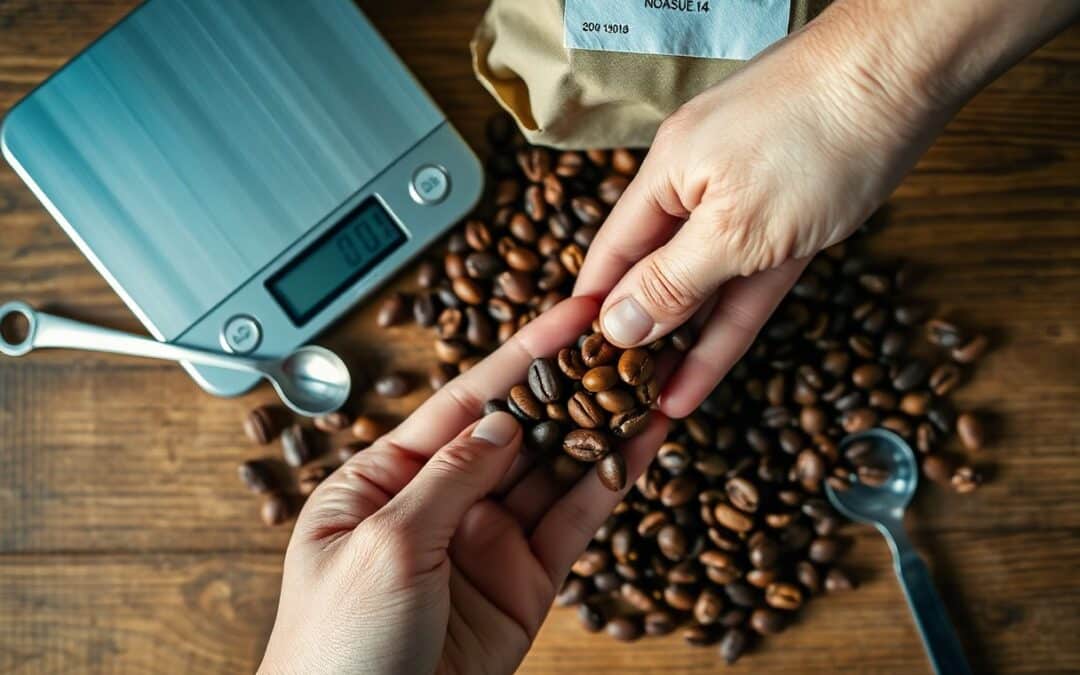
There’s a simple set of checks you can use: smell for bright, fresh aromatics, examine glossy oil and intact beans, test for spring and uniformity, and verify roast and roast date to confirm peak freshness so you consistently choose top-quality beans.
Key Takeaways:
- Roast date: choose beans roasted within the past 7-21 days (roast level affects the window) and avoid bags lacking a clear roast date.
- Aroma and appearance: fresh beans emit a bright, complex aroma, look uniform with a slight sheen, and feel firm; muted or rancid smells and brittle beans indicate staleness.
- Grind and brew test: grind just before brewing; fresh beans produce lively crema or pronounced, vibrant flavor notes, while stale beans taste flat or cardboard-like.
Evaluating Key Factors Influencing Bean Freshness
Visual inspection reveals a lot: check for even color, minimal surface oil pooling, and intact chaff while you crush a bean to release volatile aromatics that indicate recent roasting and proper storage.
- Roast date and batch size
- Packaging and barrier quality
- Storage humidity and temperature
- Bean density and moisture
- Processing and origin consistency
Aroma gives immediate feedback on freshness, so you should note brightness, acidity, and complexity versus cardboard or musty notes. After you compare aroma to visual cues and sample weights to confirm freshness.
Understanding the Impact of Roast Date
Roast date is your primary freshness marker: you should prioritize beans roasted within two to three weeks for light and medium roasts and within a week for darker roasts, since volatile flavor compounds dissipate at different rates.
Analyzing the Role of Moisture Content and Density
Moisture content governs both shelf life and extraction behavior, so you should monitor for overly dry beans that oxidize faster or damp beans that risk mold; a moisture meter or consistent storage helps maintain quality.
Testing density through weight or float methods lets you spot inconsistent processing and predict how beans will react to water during brewing, enabling you to tweak grind and dose for stable results.
How-To Conduct a Visual Freshness Audit
Scan the beans under strong, neutral light so you can assess size consistency, surface defects, and any broken fragments that hint at rough handling or age.
Compare batches side-by-side and you will more easily spot subtle shifts in color or an increase in fines that suggest staling or poor storage.
Identifying Surface Sheen and Oil Migration
Inspect the surface for sheen; when you see a fresh, even gloss you know oils are still present, while an overly oily film or dry matte finish indicates oil migration or extended storage.
Spotting Signs of Oxidation and Discoloration
Look for pale edges, rusty specks, or overall fading and you will catch oxidation early, which often precedes aroma loss and muted cup clarity.
Check grounds and inner bag layers for inconsistent tones; blotchy darkening or ash-like spots means exposure to air or moisture during cooling or packing.
Note that you should compare suspect beans against a known-fresh sample; oxidized beans often smell papery, lack brightness, and produce a flat, dull cup when brewed.
Masterful Tips for Scent Profile Analysis
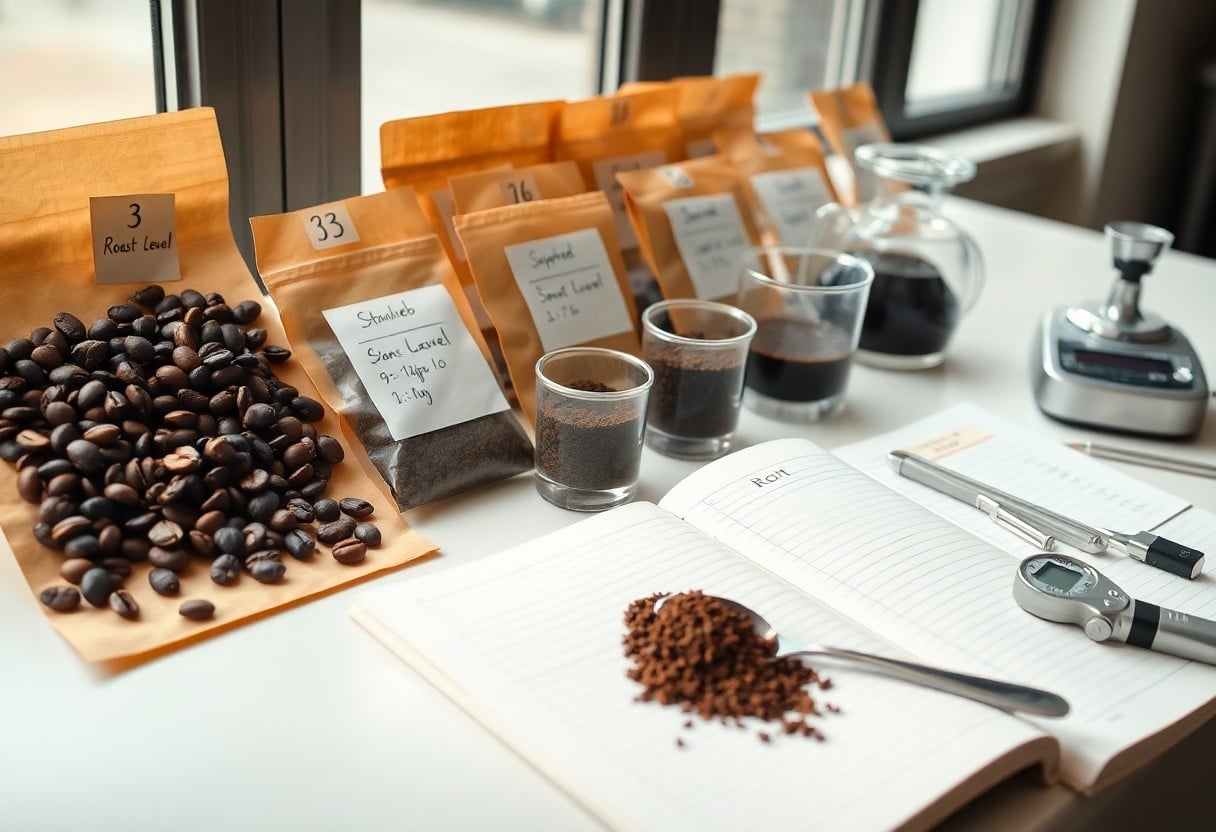
You sharpen your scent memory by comparing sealed bags, freshly ground coffee, and brewed cups to build reliable aroma references.
- Smell beans in the bag, then immediately after grinding.
- Note dry-fragrance notes versus wet, brewed aromas.
- Compare hot, warm, and cooled cups to catch evolving scents.
Knowing these contrasts lets you detect staleness, roast faults, and subtle off-notes before they reach the cup.
Distinguishing Vibrant Aromas from Rancid Notes
Smell freshly ground coffee close to your nose and identify bright citrus, floral, or chocolate cues; oily, papery, or sour scents indicate rancidity or prolonged storage.
Utilizing the Bloom Test for Gas Release
Observe the bloom as you pour hot water: a lively, even expansion signals active CO2 release and recent roasting, while a weak or patchy bloom suggests diminished freshness.
Use consistent grind size and timed pours to compare bloom strength across bags; stronger early gas release usually predicts brighter aromas and fuller cup development, so record results for repeatable assessment.
How-To Use the Tactile Resistance Method
Assessing Bean Structural Integrity
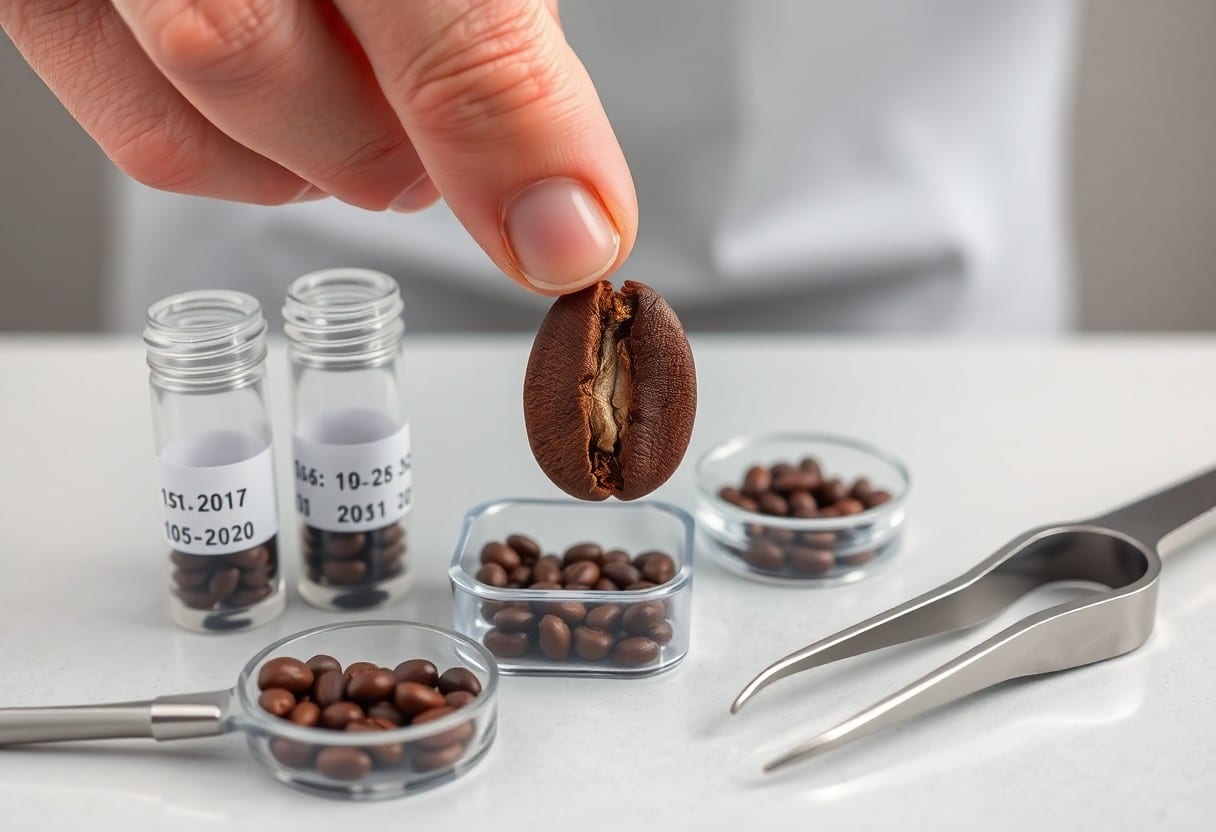
Place a single bean between your thumb and forefinger and press gently to gauge resistance; firm, even give with no hollow spots signals intact structure, while dents, cracks, or collapse indicate aging. Compare samples side-by-side and consult a detailed guide: How to Unlock the Flavor & Freshness in Your Beans.
Measuring Brittleness versus Supple Texture
Gently squeeze a bean to test brittleness: if it snaps or flakes you’re holding stale beans, while a fresh bean offers slight give and springs back; note any chalky dust versus oily rebound as you press.
Compare roast levels when you test because darker roasts often feel drier; test several beans from different batches to set your baseline, and use a fingernail press to check snap sound, rebound, and consistent tactile cues for reliable assessment.
Expert Tips for Sourcing Professional-Grade Beans
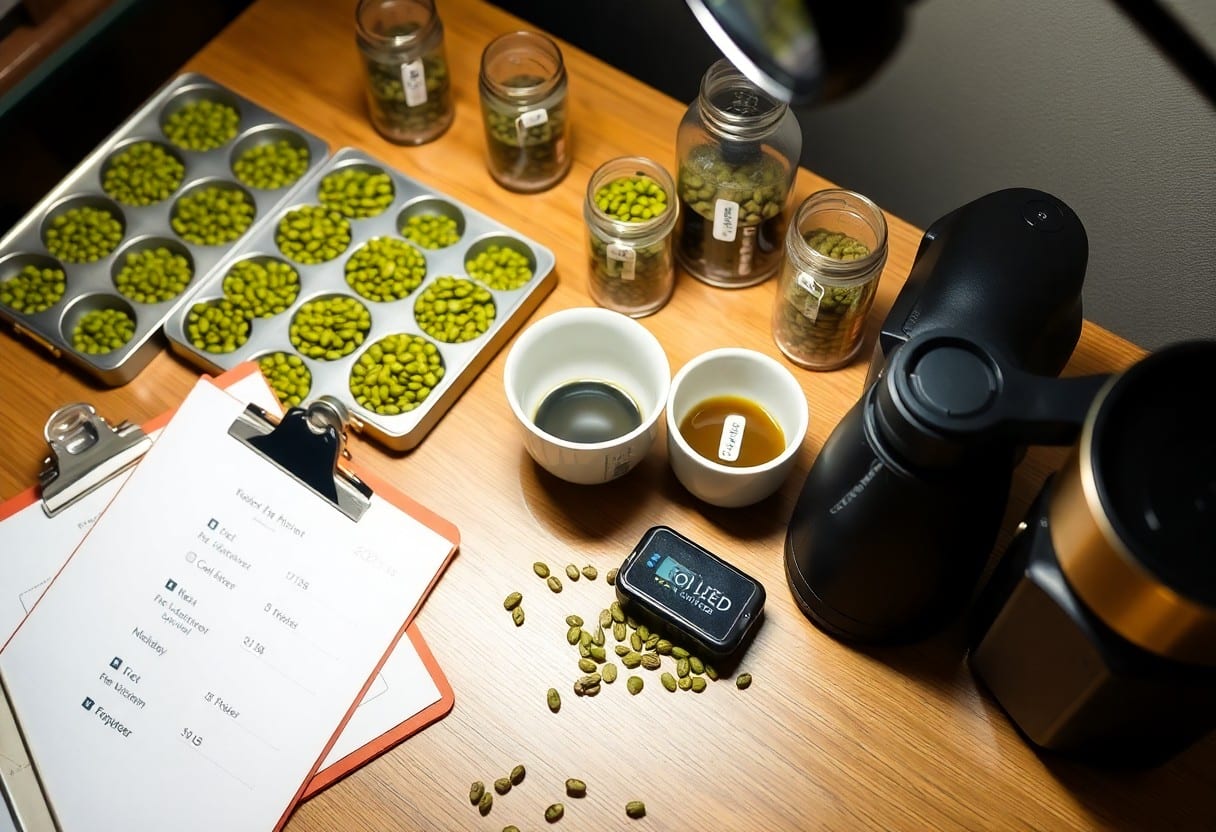
You should prioritize visible roast dates, single-origin details, and small lot numbers so you can judge freshness and traceability at a glance. Trust sellers who offer sample sizes, clear processing notes, and transparent shipping and storage practices to protect flavor during transit.
- Look for a clear roast date, origin, and lot number rather than only a best-by label.
- Ask about cooling, degassing time, and the packaging method to assess post-roast handling.
- After confirming those details, buy modest quantities to test consistency and freshness before committing to larger orders.
Reading Packaging Labels for Transparency
Check labels for roast date, origin, processing method, and lot codes to assess traceability; those specifics let you evaluate how recently beans were roasted. You should favor bags that list exact roast dates and clear origin notes rather than vague marketing terms.
Identifying Reputable Small-Batch Roasters
Seek roasters who publish roast dates, cupping notes, and transparent sourcing stories, since small-batch operations tend to turn inventory faster and preserve freshness. You can verify reputation through consistent roast-date updates and accessible contact information.
Compare sample packs, customer reviews, and whether the roaster offers cuppings or origin reports; those practices indicate quality control and accountability. You will learn faster by tasting multiple lots and asking specific questions about roast profile and storage.
To wrap up
The simple tests above let you detect true bean freshness like a pro: inspect color and sheen, smell for bright aroma, feel for firmness, and sample a brew for lively acidity and clean finish. You will preserve freshness by buying recent roast dates, storing beans in airtight opaque containers away from heat and light, and grinding only what you need before brewing.
FAQ
Q: What visual signs tell me a bag of coffee beans is fresh?
A: Inspect the beans for uniform color, intact shape, and clean surfaces without white or fuzzy spots that signal mold. A slight oil sheen is normal on dark roasts; an oily surface on a light roast or excessive surface oil that smells rancid points to age or poor storage. Check the bag for a one-way valve, opaque material, and a clear roast date printed on the package.
Q: How should I use smell to judge bean freshness?
A: Open the bag and inhale immediately for an initial burst of complex, sweet, and floral or nutty aromatics that indicate freshness. Grind a few beans and smell the grounds; a strong, layered aroma after grinding shows the beans are fresh. Be wary of papery, cardboard, musty, or chemical odors, which indicate oxidation or contamination.
Q: What brewing cues reveal fresh versus stale beans?
A: Brew a small sample with pour-over or espresso to observe bloom, crema, and flavor clarity. Fresh beans release a noticeable bloom (CO2 release) in pour-over and create a stable, golden crema in espresso. Stale beans produce a weak or nonexistent bloom, thin or irregular crema, and flat or dull flavors with muted acidity and shortened finish.
Q: How important is the roast date and what timeframes indicate freshness?
A: Look for a roast date rather than a “best by” date; peak flavor for most whole beans appears between about 3 days and 3 weeks after roast, depending on roast level and brewing method. Dark roasts can show peak in a slightly shorter window, while lighter roasts may continue developing for up to three weeks. Beans remain usable beyond that window if stored well, but sensory quality will decline progressively.
Q: Are simple home tests like the float test reliable for checking freshness?
A: Basic home tests have limited reliability; the float test and similar tricks often produce misleading results because density and surface oils vary by roast and origin. Practical, reliable checks include grinding and smelling, observing bloom during brewing, and tasting a small cup. Consistent results from sensory checks beat single mechanical tests for assessing freshness.
Q: How quickly do roasted and ground beans lose freshness?
A: Whole roasted beans retain the majority of their aromatic compounds for weeks when stored well; flavor peaks within the first few weeks. Ground coffee loses volatile aromatics much faster, often noticeably within minutes to hours after grinding and degrading substantially over 24-48 hours. Grind to order when possible for the best flavor.
Q: What storage practices keep beans fresh like a pro?
A: Store whole beans in an opaque, airtight container at cool room temperature away from heat, light, and moisture. Keep beans in their original one-way valve bag until use or transfer to a small container to limit air exposure, and portion into weekly amounts rather than storing large open jars. Avoid regular use of the fridge for day-to-day storage; freeze only long-term surplus in sealed bags and thaw to room temperature before opening to prevent condensation.