
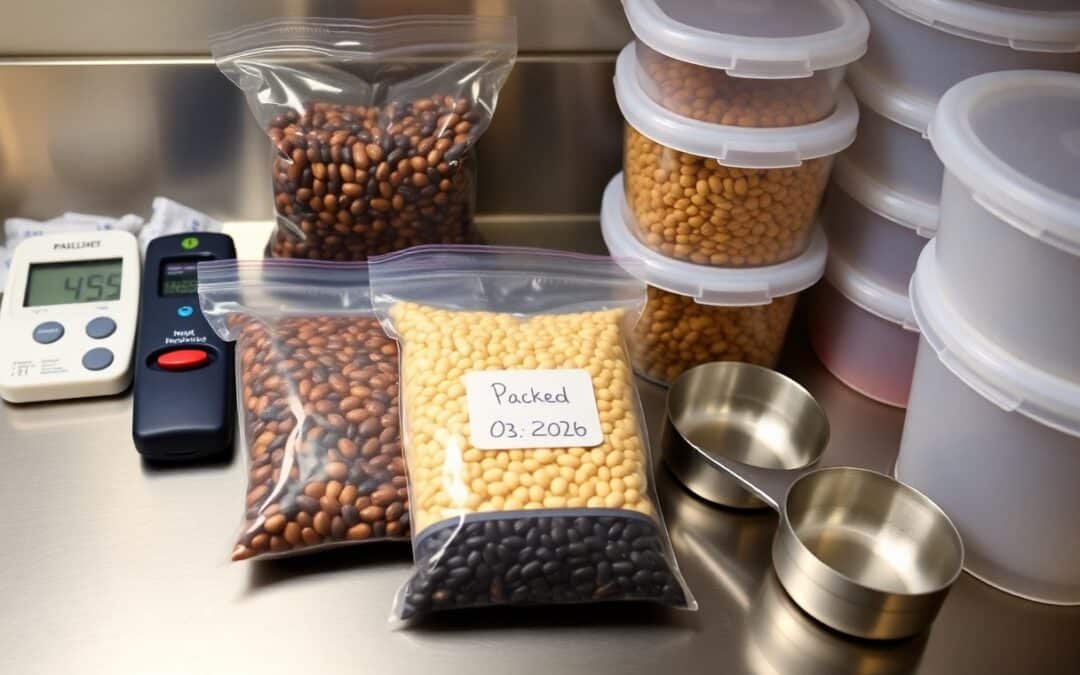
You can extend bean freshness by using airtight containers, keeping storage cool and dark, controlling humidity with desiccants, rotating stock by date, and inspecting for pests; use whole beans within months for optimal flavor.
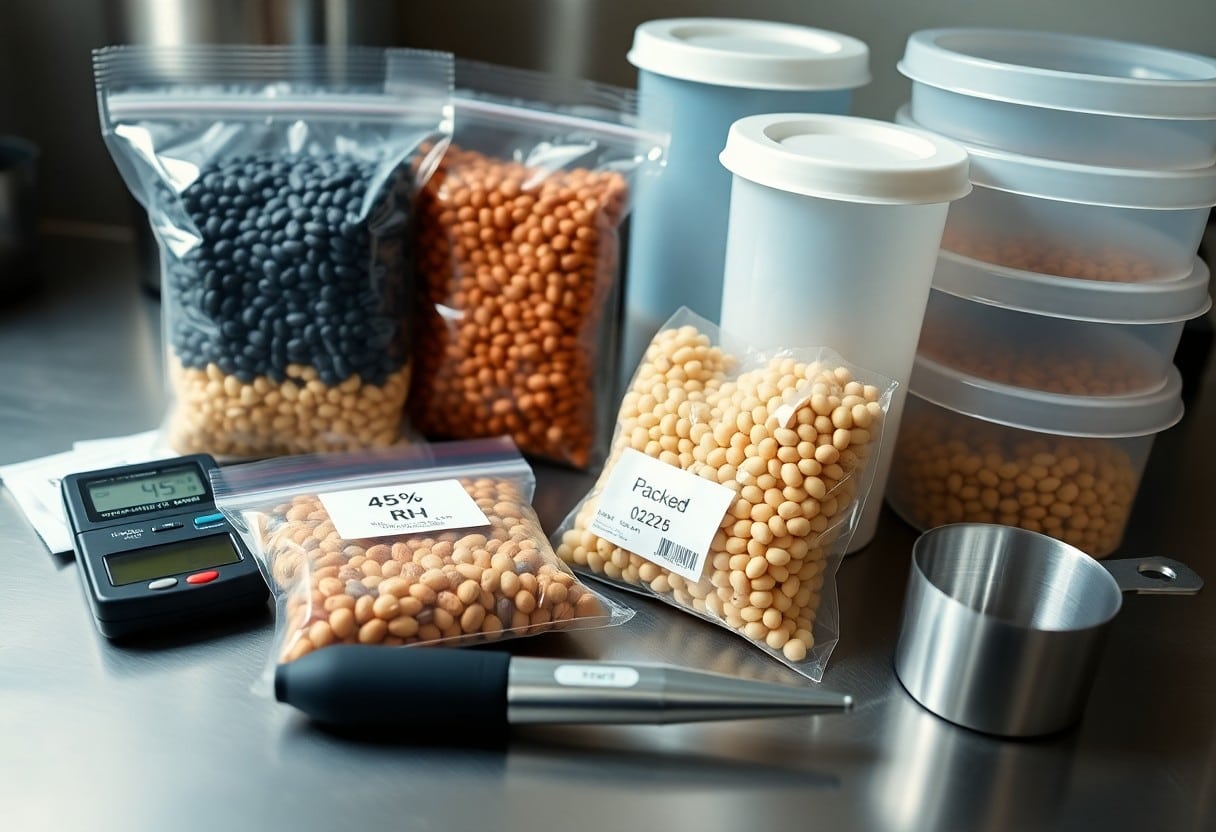
Key Takeaways:
- Store beans in airtight, opaque containers in a cool, dry place to block moisture, light, and pests that reduce flavor.
- Use whole beans for longest freshness and grind just before brewing; buy amounts that match your consumption rate.
- Label containers with roast or purchase date and rotate stock using first-in, first-out; freeze excess in sealed portions and thaw unopened before opening to avoid condensation.
Critical Factors Influencing Bean Longevity
Beans react to moisture, temperature, light and pests, and you can preserve flavor by targeting each variable with airtight storage, desiccants, and routine checks.
- Moisture and humidity control
- Temperature and UV protection
- Airtight containers and desiccants
- Regular inspection and rotation
Thou must monitor storage conditions weekly and move containers if humidity or temperature stray from safe ranges.
Impact of moisture and humidity levels
High humidity promotes mold and premature sprouting, while low moisture can dry and crack beans; you should aim for moderate relative humidity and use silica packs or vacuum sealing to stabilize conditions.
Moisture & Humidity
| Risk | Effect |
| Excess humidity | Mold growth, off-flavors, sprouting |
| Low humidity | Drying, cracking, bitterness |
| Control | Desiccants, airtight seals, moderate RH (≈50%) |
Role of temperature and UV light exposure
Cool, dark storage slows oxidation and oil rancidity, so you should keep beans below about 20°C (68°F) and shield them from direct light to maintain aroma and color.
Temperature & Light
| Factor | Impact |
| High temperature | Accelerated staling, rancidity |
| UV/light exposure | Color fading, flavor loss |
| Stabilization | Opaque containers, interior shelving, cool spots |
Avoid frequent temperature swings and sunlight exposure by using opaque, insulated containers and placing jars away from windows and heating sources to protect volatile oils and aroma.
Temperature Control Tips
| Tip | Action |
| Consistent temp | Store on interior shelves or in a pantry |
| Light blockage | Use opaque jars or store in dark boxes |
| Insulation | Avoid attic or garage storage where temps fluctuate |

How-To Select the Best Storage Containers
Choose containers that block light and moisture while matching the amount you use; smaller batches reduce exposure once opened, and you can rotate stock easily.
Keep a few container types on hand-airtight jars for daily use and vacuum options for seasonal surplus-so you can match bean volume and shelf-life needs.
Advantages of airtight glass and ceramic jars
Glass jars let you inspect beans quickly while keeping air and odors out; you can store them in a cool, dark place for steady freshness.
Sealing jars with silicone lids or clamp tops prevents moisture migration and helps you portion beans so you avoid repeated exposure during routine use.
Benefits of vacuum-sealed bags for long-term use
Vacuum-sealed bags remove oxygen that drives staling, so you can freeze or cellar beans for months with minimal flavor loss; label and date each pack for tracking.
Long-term vacuum storage reduces freezer burn and lets you stock seasonal varieties without clutter, but you should thaw sealed bags slowly to preserve texture and aroma when you open them.
Establishing the Ideal Storage Environment
Choose a consistently cool, dry spot with stable temperature to slow bean aging and preserve oils and flavors; avoid heat sources like oven walls or sunny shelves. You should keep humidity low and use airtight containers to protect beans from moisture and pests.
Seal containers promptly after use, label with packing or roast dates, and rotate stock so older beans are used first to minimize flavor loss. You can monitor pantry temperature with a small thermometer to detect fluctuations that shorten shelf life.
Identifying cool and dark pantry locations
Place jars or resealable bags on middle or lower shelves away from doors, ovens, and windows where heat and light are minimal. You should avoid spots above the refrigerator or near plumbing, since those areas often experience higher heat and humidity.
Utilizing cold storage for specific bean varieties
Check whether beans are oily or light-roasted: oily, dark-roast, or naturally processed beans benefit most from refrigeration to slow rancidity, while very dry, light-roasted beans can remain in the pantry for shorter periods. You should store refrigerated beans in truly airtight, odor-proof containers to prevent moisture uptake and flavor contamination.
Keep frozen beans divided into small portions and sealed; thaw only what you plan to use and avoid repeated thawing to prevent condensation. You can let thawed beans equalize at room temperature before opening the container to maintain flavor integrity.
Smart Management and Rotation Strategies
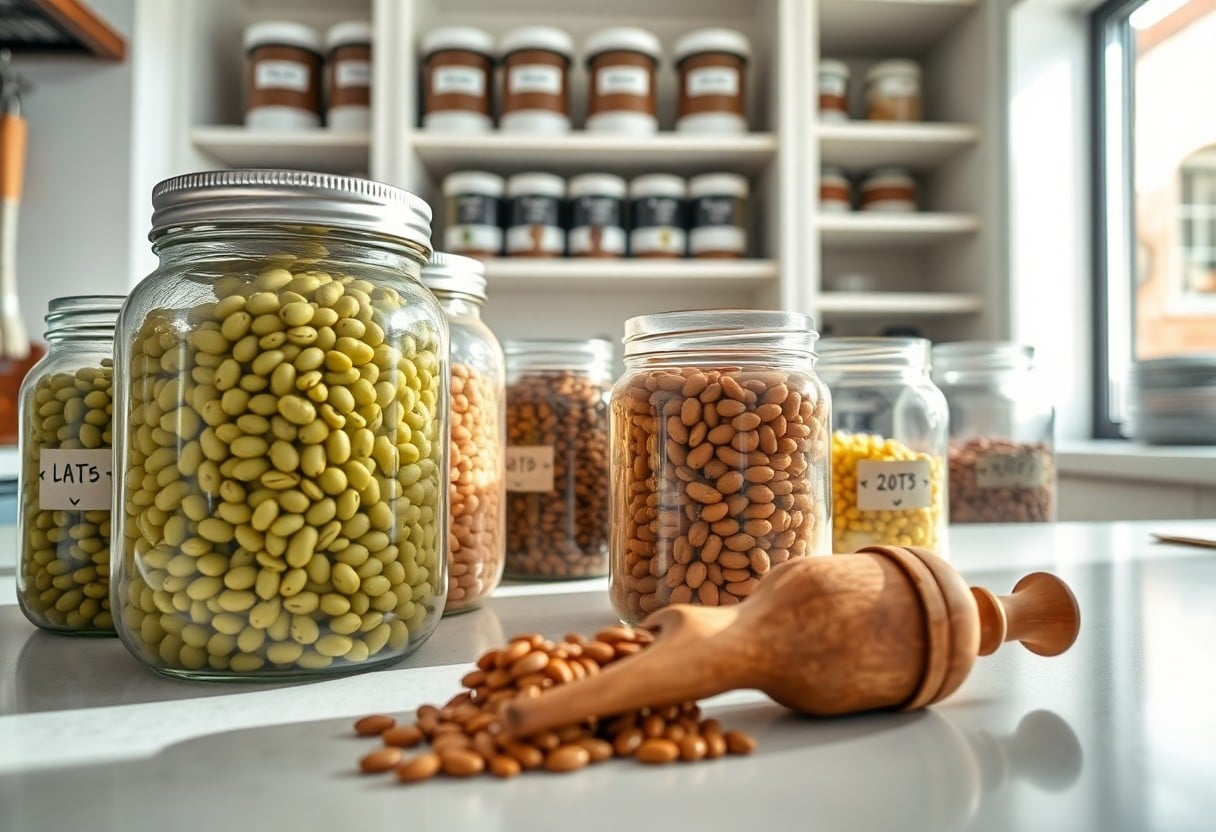
Organize beans by roast date and origin in clear, labeled containers so you can spot the oldest stock at a glance. You reduce waste and serve fresher cups when similar varieties are grouped and stored under consistent temperature and humidity.
Rotate containers so older bags are placed front and refills go to the back, keeping inventory moving and preventing staleness. You can use visible date stickers or a simple log to make selection fast and error-free.
Implementing the first-in, first-out inventory method
Adopt a strict first-in, first-out routine: label incoming bags with arrival and roast dates and place them behind current stock. You can use shelf dividers, color codes, or digital tracking to speed selection and avoid accidental use of newer beans before older ones.
Regular inspection for signs of oxidation or pests
Check beans weekly for oily surfaces, darkening, off odors, or sticky textures that signal oxidation. You should also inspect packaging for holes, dust, webbing, or live insects and isolate any suspicious batches immediately.
Monitor suspect bags by emptying a teaspoon into your hand and rubbing to release aroma; cardboard or rancid notes indicate discard. If pests appear, freeze unopened bags for 72 hours or discard heavily infested stock, then clean and reseal storage before restocking.
Summing up
You can extend natural bean freshness by storing dry beans in airtight, opaque containers in a cool, dry spot and using oxygen absorbers or vacuum sealing for long-term storage. Store fresh green beans unwashed in a perforated bag in the crisper and blanch then freeze for months. Cool cooked beans quickly, transfer to shallow airtight containers, refrigerate up to four days or freeze in portions, and check regularly for moisture or pests.

FAQ
Q: What are the basic principles for storing beans to preserve natural freshness?
A: Store beans in a cool, dry, dark place to slow oxidation and moisture absorption. Use airtight containers to limit oxygen exposure and odors from other foods. Keep storage areas at steady temperatures below 70°F (21°C) and humidity under 60% for most beans; ideal humidity for dried legumes is around 10-12% if you can measure it. Rotate stock by using older purchases first and buy quantities that match your consumption pace.
Q: How should I store whole coffee beans versus ground coffee?
A: Keep whole coffee beans in opaque, airtight containers and grind just before brewing to retain volatile oils and aromatics. Store ground coffee in the same type of container if you must, but use it within 1-2 weeks for best flavor. Avoid clear jars and frequent lid opening, which expose beans to light and oxygen and accelerate staling. Consider one-way valve bags for specialty beans to release CO2 without letting air back in after roasting.
Q: Are airtight containers necessary and which materials work best?
A: Airtight containers significantly extend freshness by minimizing oxygen and moisture contact. Choose ceramic, stainless steel, or tempered glass containers with tight silicone seals for pantry storage; opaque finishes reduce light exposure. Food-grade Mylar bags with oxygen absorbers suit long-term dried bean storage, while resealable foil pouches with one-way valves work well for roasted coffee. Avoid thin, permeable plastics for long-term use because they allow gradual air and odor transfer.
Q: Can I store dried beans or coffee in the refrigerator or freezer?
A: Store dried legumes in a cool pantry rather than the refrigerator to prevent moisture uptake and flavor changes; refrigeration is usually unnecessary for properly dried beans. Freeze large quantities of dried beans in airtight, moisture-proof packaging if you need long-term pest protection or plan to store for a year or more. Freeze roasted coffee only in well-sealed, single-use portions and thaw to room temperature before opening to prevent condensation; avoid daily freezing and thawing of coffee if you use it frequently.
Q: How do humidity and temperature affect bean freshness and how can I control them?
A: High humidity promotes mold growth, sprouting, and quality loss in dried beans, while high temperature accelerates oil oxidation in coffee. Keep storage areas dry and cool and use silica gel packets or desiccant packs inside closed containers when ambient humidity is high. Store beans away from heat sources like ovens or direct sunlight, and maintain consistent conditions to avoid repeated moisture cycling that damages texture and flavor.
Q: What steps prevent pests like weevils and preserve bean quality over months?
A: Freeze newly purchased dried beans for 48-72 hours to kill insect eggs before transferring them to sealed containers. Store beans in airtight containers made of glass, metal, or thick plastic to block pest entry. Use oxygen absorbers or vacuum sealing for long-term storage to reduce insect survival and oxidation. Inspect stored beans periodically and discard any with off odors, visible mold, or signs of active infestation.
Q: What portable storage tips keep bean freshness when camping or traveling?
A: Pack small, airtight containers or heavy-duty resealable bags to minimize air volume and protect against moisture. Pre-portion coffee into single-use one-way valve bags for multi-day trips to preserve aroma after opening. Keep containers inside insulated packs or cool parts of your bag to avoid heat exposure, and avoid storing beans near strong-smelling foods to prevent flavor contamination. For cooked beans, cool quickly, refrigerate within two hours, and freeze leftovers in flat, airtight packages for transport.