
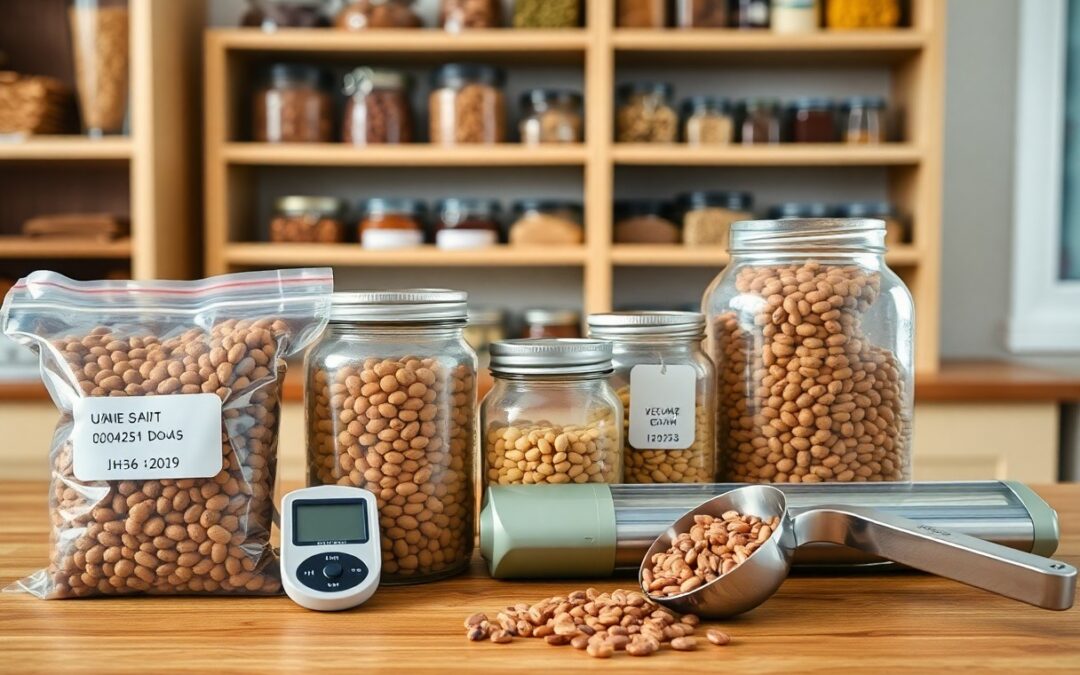
Just store beans in airtight containers, keep them cool and dry, rotate your supply, and perform simple smell and texture checks so you can preserve peak freshness and flavor.
Key Takeaways:
- Buy whole beans with a clear roast date and use within 2-3 weeks of roast for peak flavor; avoid pre-ground coffee.
- Store beans in an airtight, opaque container at room temperature away from light and heat; prevent moisture and frequent fridge/freezer exposure.
- Grind just before brewing, match grind size to your brew method, and use 195-205°F water with a 30-45 second bloom for optimal extraction.
Identifying Quality: Key Factors Affecting Bean Vitality
Inspect roast date, origin, and packaging to gauge likely freshness, and consult practical roasting notes like Secret Coffee Bean Roasting Strategies to see how roast technique alters shelf life.
- Roast date transparency
- Origin and processing
- Packaging and storage method
- Roast level versus intended use
This quick checklist helps you prioritize purchases that retain flavor through proper roasting and storage.
Evaluating Roast Dates and Sourcing
Check roast dates and prefer beans roasted within two to four weeks while factoring in transit and how roast level changes peak flavor windows for your brewing method.
Spotting Physical Indicators of Freshness
Look for uniform color, minimal broken beans, and a bright aroma; avoid samples with stale, papery, or rancid smells that indicate old or poorly stored lots.
Feel the beans for firmness and test a few by cracking one-you’ll detect a clean snap and concentrated aroma in fresher beans versus a dull, gummy texture in aged samples.
How-To Create the Perfect Storage Environment
Regulating Temperature and Light Exposure
You should store beans in a cool, stable spot between 55-70°F to slow stale flavors and protect oils.
Store beans away from windows, ovens, and other heat sources, and choose darker spots to limit light-driven degradation.
Temperature & Light Quick Guide
| Factor | Recommendation |
|---|---|
| Temperature | 55-70°F (13-21°C) |
| Light | Opaque container or dark cupboard |
| Placement | Away from heat and humidity sources |
Selecting the Ideal Airtight Vessel
Choose opaque, food-grade airtight containers or tins with tight seals to limit oxygen contact and preserve aroma.
Inspect seals and transfer beans into smaller jars after opening to reduce trapped air and maintain consistent freshness.
Essential Tips for Daily Handling and Preservation
You handle beans daily with small habits: scoop portions, avoid repeated jar openings, and keep containers opaque and cool to slow degradation.
- Airtight, opaque container
- Measure only what you’ll use
- Store away from heat and light
Recognizing subtle aroma or color shifts lets you discard stale stock and adjust storage routines.
Preventing Oxidation and Moisture Damage
Store beans in airtight, opaque containers and minimize headspace so you reduce oxygen exposure; keep them in a cool, dry place and away from steam sources.
Mastering the Timing of the Grind
Grind only what you will brew within minutes to preserve volatile oils; if you must prepare grounds ahead, seal them tightly and use them promptly.
Timing your grind to just before brewing ensures you and your guests taste the roast’s full profile and brightest notes.
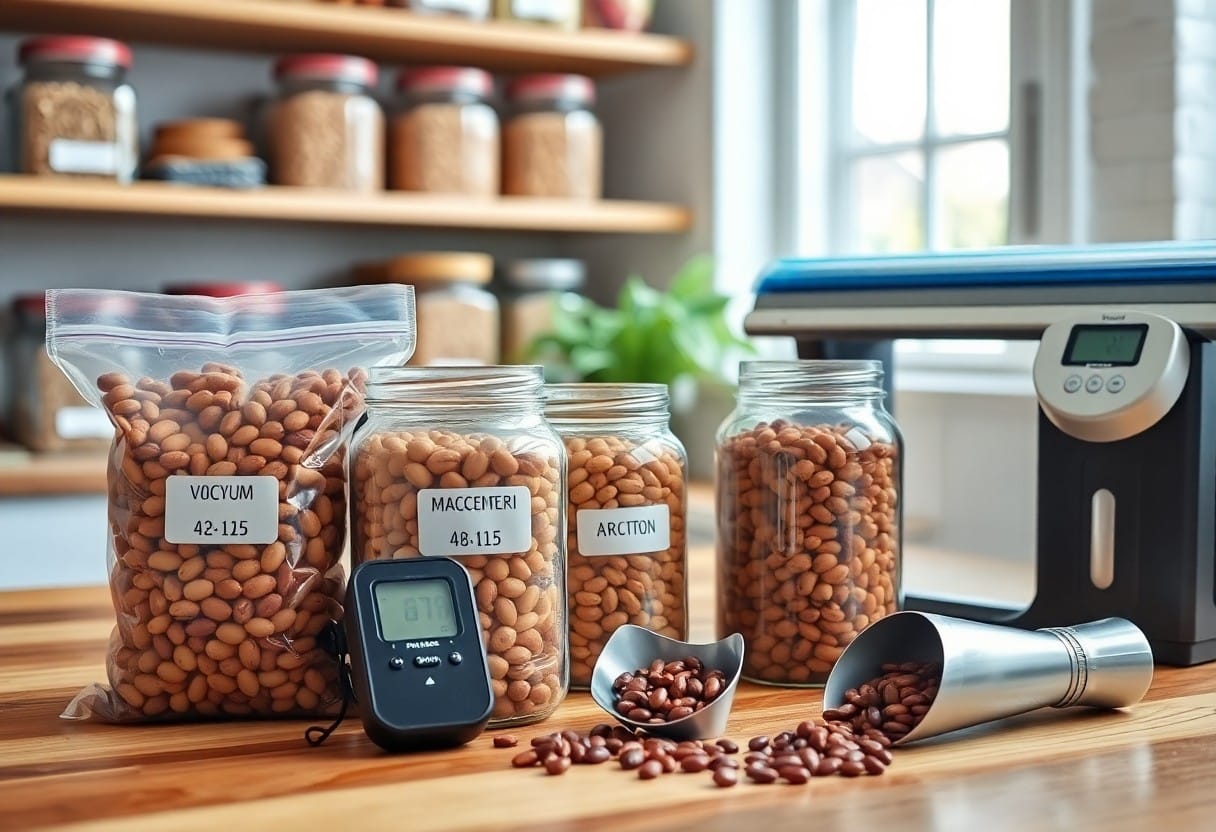
How-To Extend Shelf Life Through Advanced Methods
You can combine controlled humidity, oxygen absorbers, and dark storage to keep beans fresher far longer.
Try rotating stock and labeling dates so you use older beans first and avoid quality loss.
- Use oxygen absorbers with airtight containers.
- Employ vacuum sealing for bulk storage.
- Freeze small portions for long-term use.
Advanced Method Quick Guide
| Vacuum sealing | Reduces oxygen and slows oxidation |
| Freezing | Slows enzymatic and microbial activity |
Utilizing Vacuum Sealing Techniques
Vacuum sealing removes air so you slow oxidation and preserve aroma; seal small batches after grinding to keep peak flavor.
Always inspect seals and use high-barrier bags so you prevent punctures that let moisture or pests in.
Implementing Safe Long-Term Freezing
Freeze beans in portioned, moisture-proof bags and squeeze out excess air to prevent freezer burn while keeping beans ready for quick thawing.
Storage at a stable, low temperature reduces oil rancidity, and you should thaw only the portion you need to avoid repeated temperature swings.
To wrap up
With this in mind, you can unlock hidden bean freshness by choosing beans with a clear roast date and buying whole beans in small batches. Store them in an airtight, opaque container in a cool, dry spot, grind just before brewing, and use consistent brewing ratios and water temperature to highlight freshness. Following these simple practices will keep your coffee tasting bright and consistent.

FAQ
Q: What causes coffee beans to lose freshness so quickly?
A: Oxygen, moisture, heat, and light strip oils and aromatic compounds from coffee beans, causing stale flavors. Grinding increases surface area and accelerates flavor loss. Exposure to odors from the kitchen can also contaminate beans and dull their taste.
Q: How can I tell if a bag of beans is fresh before buying?
A: Look for a clear roast date on the bag rather than a vague “best by” date. Whole-bean packages with one-way degassing valves indicate recent roasting practices and let carbon dioxide escape without letting air in. Small-batch roasters and specialty shops often provide tasting notes and roast profiles that help assess freshness and flavor potential.
Q: What is the best way to store coffee beans at home to preserve freshness?
A: Store beans in an opaque, airtight container at cool room temperature away from direct sunlight and heat sources. Keep the original bag sealed and placed inside the container if the bag has a one-way valve. Avoid keeping daily-use beans in the fridge; use the freezer only for long-term storage in small, vacuum-sealed portions and restore to room temperature before opening.
Q: When should I grind beans relative to brewing for the best flavor?
A: Grind beans immediately before brewing to preserve volatile aromatics and oils. Match grind size to your brewing method: fine for espresso, medium for drip or pour-over, and coarse for French press or cold brew. Adjust dose and grind in small steps to dial in extraction without wasting fresh beans.
Q: What simple tests reveal whether beans are still fresh?
A: Smell provides the fastest cue; fresh beans give bright, complex aromas while stale beans smell flat or cardboard-like. Watch the bloom when pouring hot water over grounds; a lively, quick bloom signals recent roasting and good freshness. Observe crema and flavor clarity in espresso; thin, rapidly dissipating crema and muted taste suggest aging or poor storage.
Q: How many beans should I buy and how often to keep coffee tasting fresh?
A: Buy amounts that you can use within two to three weeks after opening when possible, with smaller quantities for single-origin or light-roast bags that peak earlier. Purchase whole beans rather than preground to maximize storage life and flavor control. Use subscription or frequent small purchases from trusted roasters to rotate fresh stock more regularly.
Q: Which common mistakes accelerate bean staleness and what quick fixes help?
A: Leaving beans in the original open bag, storing near the stove, or repeatedly exposing a container to air speeds staling. Quick fixes include transferring beans to a small opaque airtight jar, labeling the jar with the roast date, and grinding only the amount needed for each brew. For long-term backup, portion into vacuum-sealed packs and freeze immediately, taking care not to refreeze after opening.