
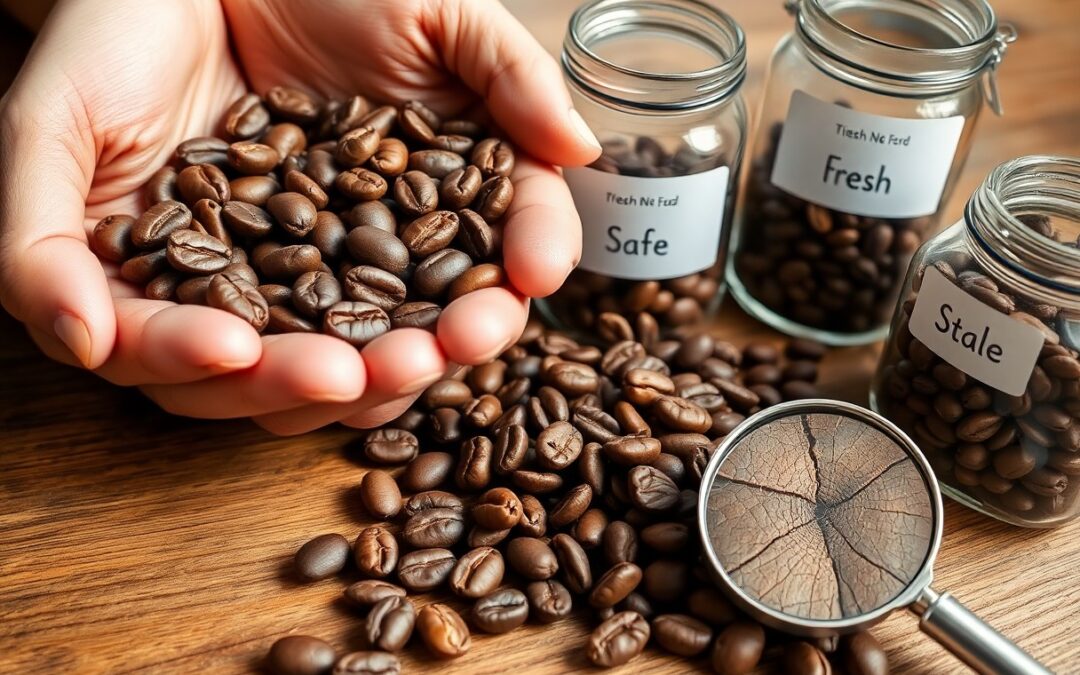
Many home brewers gauge bean freshness by scent and touch; you sniff for bright aromatics, press for springy texture, and compare notes with guidance from How to Tell Whether Your Coffee Is Fresh.
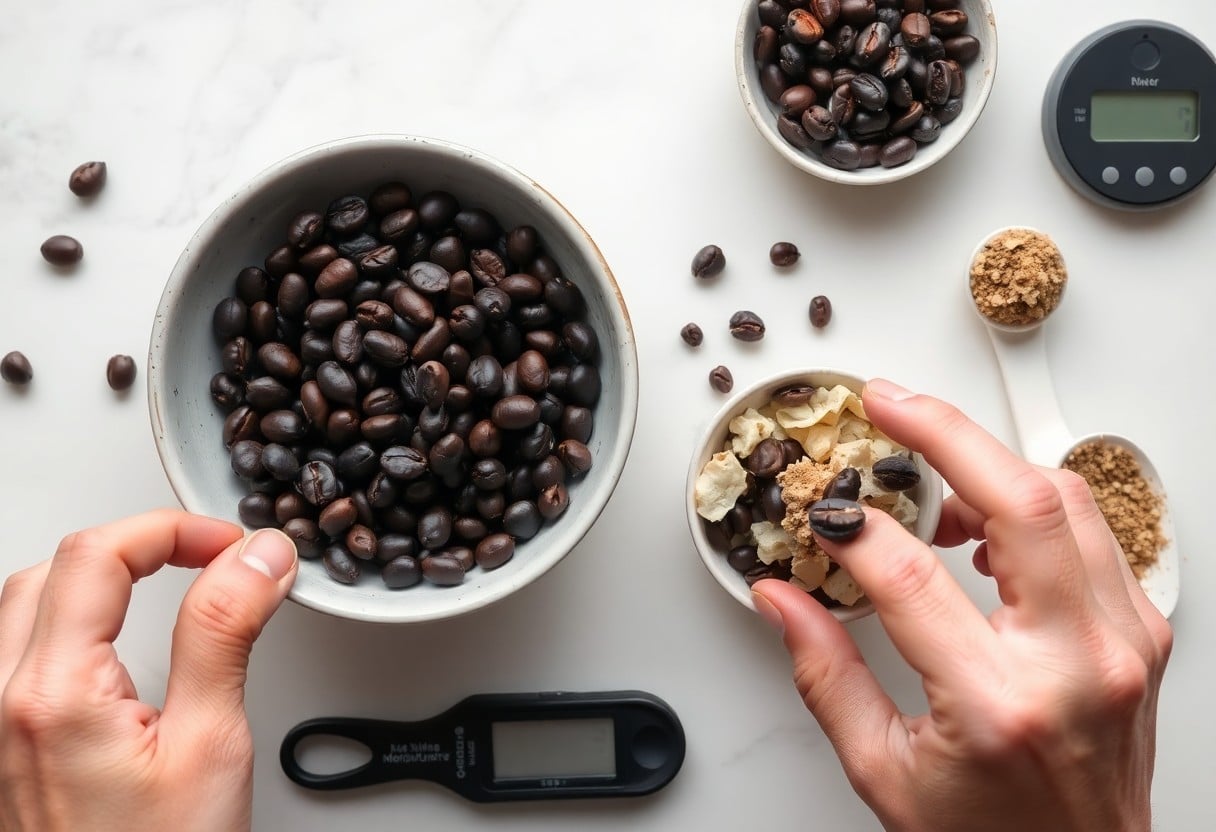
Key Takeaways:
- Aroma: Fresh beans emit a bright, layered fragrance-floral, fruity, or nutty-while stale beans smell flat, papery, or musty.
- Texture: Fresh whole beans feel slightly oily and firm, with a crisp snap when broken; dry, brittle, or powdery beans suggest age or improper storage.
- Ground aroma and bloom: Fresh beans release a strong scent when ground and show active CO2 release (bloom) during brewing; weak aroma and minimal bloom indicate staleness.
Key Factors Influencing Bean Longevity
Storage conditions shape bean lifespan and flavor; you should control temperature, humidity, and light to slow oil oxidation and dryness.
- Roast level
- Packaging seal
- Ambient humidity
- Bean origin and processing
Roast degree affects oil migration and brittleness. Knowing how each factor shortens shelf life helps you set priorities for storage and rotation.
The Impact of Oxidation and Moisture Loss
Exposure to oxygen and dry air strips volatile aromatics and leaves beans tasting flat; you should watch for papery or stale scents and a brittle texture as signs of decline.
Understanding Biological Degradation Timelines
Microbial growth after roast is typically slow, but if beans absorb moisture or become contaminated you may detect musty, sour, or fermented notes that signal rapid spoilage and require disposal.
Fungal contamination favors damp, warm storage and can produce visible mold or off-odors; you should avoid using affected beans and inspect packaging for breaches or moisture before grinding.
How-To Identify Freshness Through Aroma Profiles
Smell the freshly ground beans immediately after grinding to assess clarity: bright citrus, tea-like florals, or deep chocolate suggest a recent roast and careful storage. You can compare lots by inhaling short, controlled sniffs to detect whether aromas are lively or muted.
Recognizing Vibrant and Complex Fragrance Notes
Notice topnotes such as lemon, bergamot, or jasmine that evolve into stone fruit, caramel, or cocoa-this progression signals layered origin and roast quality. You should cup with a warmed spoon to capture and compare those shifting fragrances across samples.
Detecting Signs of Rancidity and Staleness
Detect flat, papery, or musty scents and sour chemical tones that indicate age, moisture exposure, or oxidation rather than freshness. You should reject beans that carry persistent cardboard, old-nut, or varnish-like aromas, since those off-notes survive brewing.
Examine beans for slick oil on the surface, especially on darker roasts, and run a quick hot-water sniff of a small extraction to confirm rancid-butter or solvent-like scents before wasting a full batch. You can also compare against a known-fresh sample to sharpen your judgment.
Evaluating Quality via Tactile Texture
Feel the beans between your fingers to assess uniformity and surface texture; you should sense slight roughness on freshly roasted beans, while an overly chalky or powdery feel signals age or improper drying.
Press a single bean gently to check density and fracture; if it crumbles or grinds to dust, you are likely facing stale or over-dried beans that will produce flat extraction.
Tips for Testing Bean Hardness and Snap
Test hardness by snapping a bean between your thumb and fingernail or using tweezers; a clean, audible snap and firm resistance tell you the roast profile and moisture are balanced.
- Bite one bean to assess snap and internal texture.
- Use tweezers for consistent pressure to avoid finger variability.
- Compare samples from different bags and roast dates for patterns.
After you test several beans across batches, record consistent snap and minimal powder as reliable indicators of genuine freshness.
Identifying Surface Oil and Dehydration Levels
Inspect bean surfaces under good light for sheen and tack; slight oil suggests a recent roast while heavy gloss, stickiness, or pooling indicates oil migration from older beans and potential staling, so you should check roast date and storage.
Monitor dehydration by weighing a sample and smelling for reduced aromatics; when beans look dull, feel lighter, and lack vibrant scent, you are observing dehydration that will mute cup clarity.
How-To Identify Genuine Bean Freshness Through Aroma And Texture
Your quick sensory checks-crushing a few beans, inhaling for brightness, and testing bite-tell you if oils and cell structure remain intact; look for lively acidity and a clean finish.
- Store whole beans in cool, dry places
- Avoid pre-grinding until just before use
- Rotate stock so older bags are used first
Knowing how to spot muted aromatics or an oily, flat surface helps you act before a batch degrades.
Implementing Proper Airtight Storage Solutions
Choose opaque, airtight containers with one-way valves so CO2 escapes while oxygen stays out; you should refill only when beans are cool to avoid condensation.
Managing Light Exposure and Temperature
Shield beans from direct sunlight and bright indoor lighting to prevent oil breakdown, and maintain a steady, cool pantry temperature below 25°C to slow staling.
Store beans in small quantities and keep them distant from ovens and windows since heat spikes accelerate flavor loss and texture softening.
Light & Temperature Guide
| Condition | Action |
|---|---|
| Direct sunlight | Move beans to opaque containers and a shaded area |
| High temperature (>25°C) | Relocate to cooler spot or use insulated storage |
| Temperature swings | Stabilize room temp; avoid placing near ovens or windows |
| High humidity | Use sealed containers and desiccants to prevent moisture gain |
Final Words
Presently you can judge bean freshness by inhaling a bright, vibrant aroma and noting a clean, sweet top note; stale or musty scents indicate age or poor storage. Press a few beans between your fingers: firm, slightly oily beans signal recent roast, while dry, brittle beans suggest decline.
FAQ
Q: How can I use aroma to tell if roasted coffee beans are fresh?
A: Open the bag and inhale deeply; fresh roasted beans give a strong, complex aroma with clear notes like floral, fruity, chocolate, or nutty depending on origin and roast. Grind a small amount and smell immediately; freshly ground beans release a more intense, layered scent. Weak, thin, or flat aroma after grinding usually signals age or oxidation.
Q: What specific smells indicate stale or spoiled beans?
A: Cardboard, paper, dusty, or papery odors point to oxidation and staleness. Musty, moldy, or sour-fermented scents suggest moisture damage or spoilage. Rancid, oily-metallic, or chemical smells mean degraded oils or contamination. Lack of distinct notes and a muted, one-dimensional scent also indicates old beans.
Q: What texture cues in whole roasted beans reveal freshness?
A: Fresh roasted beans feel firm, slightly springy, and intact when pressed between fingers. Beans that crumble, flake, or snap into powder are overly dry and aged. A subtle tackiness or slight oil on fingertips can appear within days for darker roasts; excessive oiliness across many beans often results from long storage or very dark roasting rather than freshness.
Q: What quick home test combines aroma and texture to assess freshness?
A: Smell the sealed bag, then squeeze a few beans to check firmness and any surface oil. Grind a small sample and inhale deeply from the grinder; strong, complex scent confirms freshness. Brew a small pour-over or cup: a bright, aromatic bloom with clear acidity and layered flavors indicates freshness, while a flat, dull cup confirms staleness.
Q: How long do beans keep peak aroma and texture after roasting?
A: Many beans reach peak aroma and texture between 3 and 14 days after roast, depending on roast level and bean type. Light roasts often benefit from a slightly longer rest, while very dark roasts peak sooner. Noticeable decline in aroma and texture commonly appears after 2-4 weeks, and ground beans degrade much faster once exposed to air.
Q: How does freshness testing differ for green (unroasted) beans versus roasted beans?
A: Green beans should smell grassy, slightly vegetal, and free from sour, musty, or fermentation-like odors; they should feel dense and not brittle. Roasted bean freshness relies on volatile aromatic compounds and surface texture, while green bean freshness depends more on proper drying, storage moisture content, and absence of off-odors or insect damage.
Q: Can aroma and texture help spot adulterated or fake beans?
A: Inconsistent aroma across a batch, odd chemical or overly sweet burnt-sugar smells, and heterogeneous textures or colors suggest blending with inferior or reprocessed beans. Artificial oil coatings create an unnatural sheen and greasy feel. Cross-check roast date, inspect for uniformity, and taste for unnatural flavors to confirm authenticity.