
This short guide teaches you to restore stale coffee bean aroma and flavor with simple home techniques-brief rehydration, gentle heat, and airtight storage-so you can enjoy noticeably fresher cups.
Key Takeaways:
- Grind beans just before brewing and adjust to a slightly finer grind to increase surface area and release remaining oils for fresher taste.
- Use extraction-friendly methods: bloom grounds with hot water, try immersion brews (French press, Aeropress, cold brew) or longer contact time to coax more flavor from older beans.
- Store beans airtight in small portions, keep them cool, dark, and dry, and freeze only for long-term storage-thaw unopened portions to room temperature before use.
How-To Re-Roast Beans for Fresh Aroma
Re-roasting can revive flat beans by driving off stale volatiles and tightening aromas; you can choose low-heat oven or quick skillet methods outlined below. For a short guide on grind timing and restoring vibrancy see How To: The Secret to Amazingly Fresh Coffee? Grind it ….
Low-Heat Oven Restoration Techniques
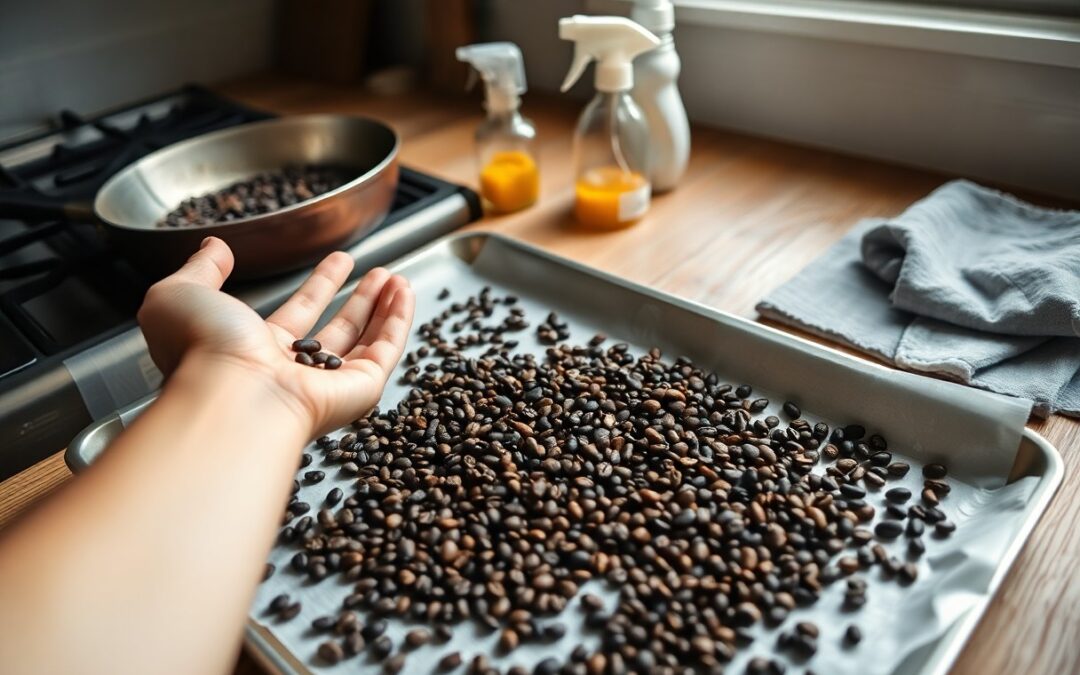
Use a low oven (200-250°F / 95-120°C), spread beans in a single layer on a baking sheet, and stir every 2-3 minutes so you don’t scorch. You should heat for 5-10 minutes depending on bean size, then cool rapidly to lock in the refreshed aroma.
Quick-Toss Skillet Methods for Surface Oils
Try a dry skillet over medium-low heat, tossing constantly for 60-180 seconds to warm beans and redistribute surface oils; you want a gentle shimmer, not smoke. You should work in small batches so you can watch color and scent closely.
Pan techniques demand attention: you should stop as soon as the aroma brightens, transfer beans to a cool tray, and let them rest uncovered for at least 10 minutes before grinding to avoid steam-softened oils that mute flavor.
Factors Influencing Successful Rehydration
Environmental conditions shape your rehydration outcomes: temperature controls absorption rate, humidity affects surface moisture, and agitation prevents clumping, so adjust each element to match bean age and roast for predictable texture restoration.
- Your bean roast level and age
- Your bean size or grind state
- Your storage duration and prior moisture loss
- Your rehydration method (soak, spray, steam)
- Your water temperature and mineral profile
Thou must balance timing, water, and method to revive texture and flavor without over-saturating the beans.
Water Quality and Mineral Content Requirements
Tap water hardness and mineral makeup influence how beans absorb moisture and how flavors unfold; you should prefer filtered or softened water when possible and adjust mineral content if you detect metallic or flat notes during trials.
Precision Timing for Optimal Moisture Absorption
Measure soak intervals against bean size and roast level: short, repeated wettings often give more even penetration than a single long soak, so you can iterate quickly by testing small batches.
Allow a brief rest after initial wetting so internal moisture redistributes; you can press a sample bean to check for uniform give before proceeding with additional pulses or drying.

Conclusion
The simple techniques outlined help you recover bean freshness quickly: store beans airtight in cool, dark places, grind only as needed, and briefly warm stale roasted beans to release oils and aroma. For dried legumes, you can soak and simmer to restore texture and flavor.
You should test small batches to find the best method for your beans and then maintain proper storage to keep them fresh longer.
FAQ
Q: How can I tell if my coffee beans have lost their freshness?
A: Coffee beans lose freshness when they smell flat or cardboard-like, lack a bright aroma, produce weak crema on espresso, or taste dull and bitter. Visual cues include a very dry surface with no visible oils on dark roasts or excessive oiliness indicating over-aged beans. Freshness usually drops noticeably after 2-4 weeks from roasting for whole beans stored at room temperature.
Q: Can stale coffee beans be revived at home without special equipment?
A: A limited revival is possible by gently reactivating surface oils and aromas, but full restoration of original flavor is unlikely. Controlled low-temperature heat will release some volatile aromatics: spread beans on a baking sheet and warm in an oven at 220-250°F (105-120°C) for 3-8 minutes while shaking the tray to avoid scorching. Allow beans to cool completely before sealing; expect modest improvement and avoid over-roasting, which creates new off-flavors.
Q: How do I refresh beans using a skillet or stovetop?
A: Use a dry, heavy skillet over low to medium-low heat and keep beans moving to prevent charring; 2-5 minutes is usually enough to warm them and release aromas. Transfer beans to a cool surface to stop carryover roasting and rest for 10-20 minutes before grinding. Test small batches first to find the sweet spot for your roast level.
Q: Is using steam or microwave safe for reviving coffee beans?
A: Microwave heating is not recommended because it heats unevenly and can scorch beans, producing harsh flavors. Brief steam exposure will temporarily release aromas but leaves moisture that degrades beans rapidly and promotes mold; avoid steaming unless you plan to dry beans thoroughly and use them quickly.
Q: What tricks can mask staleness when revival attempts are limited?
A: Cold brew extraction highlights sweeter notes and reduces perceived staleness, so brew stale beans as cold brew for smoother results. Grind staler beans finer for espresso-style extractions to increase dissolution of soluble compounds. Use beans in recipes-coffee cakes, rubs, or chocolate desserts-to blend flavors, or blend stale beans with fresher beans at a 1:3 ratio to improve overall taste.
Q: How do I revive old dried legumes (kidney, chickpeas, beans) that have become hard?
A: Soaking and gentle heat restore texture: use an overnight soak in plenty of water or a quick-soak method-boil 2-3 minutes, remove from heat, cover and soak for 1 hour-then simmer until tender. Adding a small pinch of baking soda to the soaking water speeds softening for very old beans; rinse thoroughly before cooking to reduce alkali flavor. A pressure cooker or Instant Pot greatly shortens cooking time and improves softness for aged legumes.
Q: What storage methods prevent loss of freshness for coffee beans and dried beans?
A: For coffee beans, store whole beans in an opaque, airtight container at cool room temperature away from heat, light, and moisture; buy in small amounts and grind just before brewing. For long-term storage beyond a few weeks, vacuum sealing and freezing in small portions works-keep portions sealed and thaw only once. For dried legumes, store in airtight containers in a cool, dry pantry and avoid exposure to humidity and direct sunlight to preserve cooking quality and shelf life.