
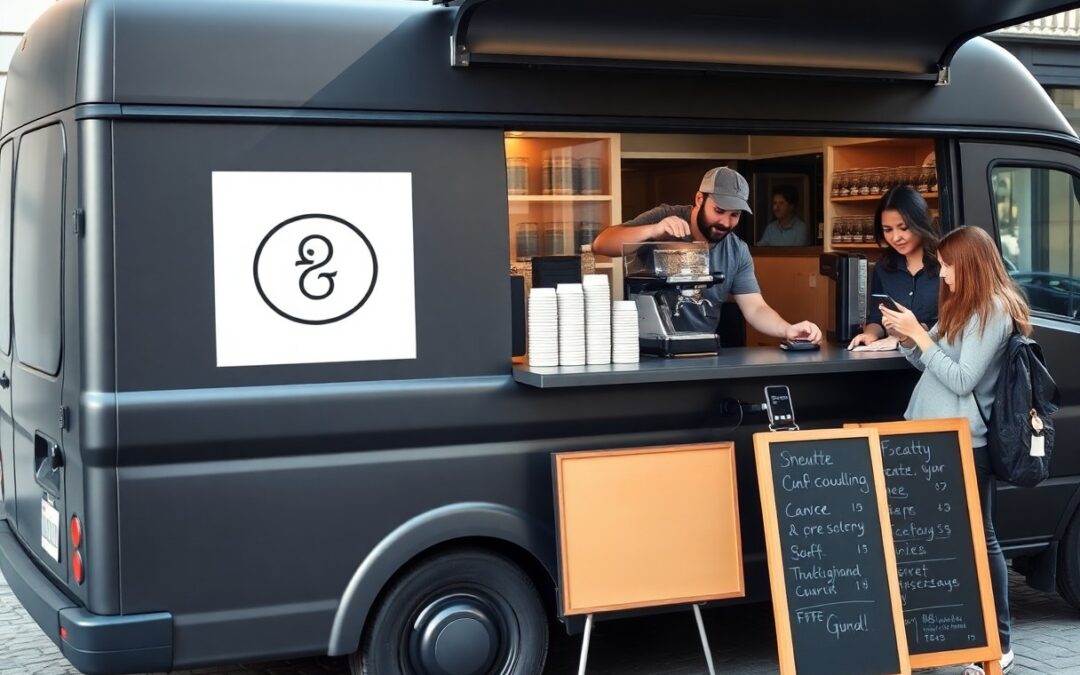
Mobility shows you how a coffee van outbrews the traditional café by delivering specialty beans, tailored menus, lower prices, pop-up experiences and direct community engagement that redefine convenience and quality for modern consumers.
Key Takeaways:
- Mobile coffee vans capture premium perception through convenience and exclusivity; pop-up locations and curated routes create scarcity that customers read as luxury.
- Lower capital and operating costs compared with brick-and-mortar cafés let vans experiment with specialty offerings and price points while protecting margins.
- Direct, personal service and Instagrammable setups build stronger brand differentiation and word-of-mouth, turning mobility into a lifestyle statement that can outcompete traditional cafés in desirability.
Redefining Luxury: The Rise of the Fluid Experience
You see luxury shifting from static displays to curated moments, and mobile coffee vans are proof that movement can feel premium. Visit How Mobile Coffee Vans are Changing Australia’s Coffee Culture to understand why you now equate exclusivity with availability and craft-on-demand.
The Shift from Physical Opulence to On-Demand Access
Mobile setups put barista expertise where you are, so you judge luxury by speed, personalization, and relevance rather than fixed interiors. You choose experiences that slot into your day and reward brands that meet you in the moment.
Why Proximity and Time are the New Status Symbols
Proximity matters because you value minutes saved and effortless access to quality, turning time into a visible sign of status. You prioritize vendors that reduce hassle and fit into your routine.
Access wins when you can grab specialty coffee between commitments, and you favor operators who consistently deliver great drinks without detouring your schedule. You will often pick nearby, reliable service over distant ambience.

The Strategic Advantage of Mobile Operations
You can chase foot traffic, events, and shifting customer patterns without the sunk costs of a storefront, letting you test concepts and optimize routes based on real-time demand.
Mobile units lower fixed overhead and shorten the feedback loop, so you adjust menu, pricing, and staffing faster than a traditional café tied to a lease.
Mitigating the Risks of High-Rent Fixed Real Estate
Rent in premium zones often consumes margins, so you avoid long-term exposure by operating on wheels and reallocating capital toward product quality and marketing.
Operating a van lets you pivot to high-yield locations during peak times and withdraw during slow periods, reducing vacancy and cash-flow stress.
Operational Agility as a Hedge Against Market Fluctuations
Market shifts and local events can swing demand dramatically; your van can shift hours, routes, and offerings to follow customers and protect revenue.
Flexible scheduling and route changes let you test promotions quickly, cut losses where sales dip, and exploit short-term opportunities without heavy commitments.
Data from daily sales and location performance helps you refine stops and menus, allowing you to scale successful concepts into more vans or a permanent site when demand proves consistent.
Engineering Excellence in a Compact Format
You see how a compact van chassis integrates insulated water tanks, pressure-stable lines, and tailored ventilation so extraction rivals a stationary shop.
Space-driven design forces efficient layouts that preserve ergonomics, service access, and workflow so you can run peak volume without sacrificing shot quality.
Deploying Professional-Grade Technology in Mobile Units
Modern mobile setups use PID boilers, commercial grinders, and multi-stage filtration so you can set precise temperatures and consistent flow profiles on the road.
Careful vibration isolation, secure plumbing, and mobile-specific calibration routines ensure you can maintain machine stability and repeatable extraction after transit.
Maintaining Quality Consistency Outside the Traditional Lab
Protocols with grind-to-shot charts, scheduled backflushes, and routine water testing let you replicate café flavor profiles at every stop so customers get the same cup.
Training your team in quick sensory checks, timed shots, and basic machine troubleshooting ensures you spot and correct drift before it impacts service.
Data logging of shot times, extraction yields, and conductivity paired with simple corrective steps lets you track trends and keep your standards steady.
The Psychology of the Mobile Coffee Consumer
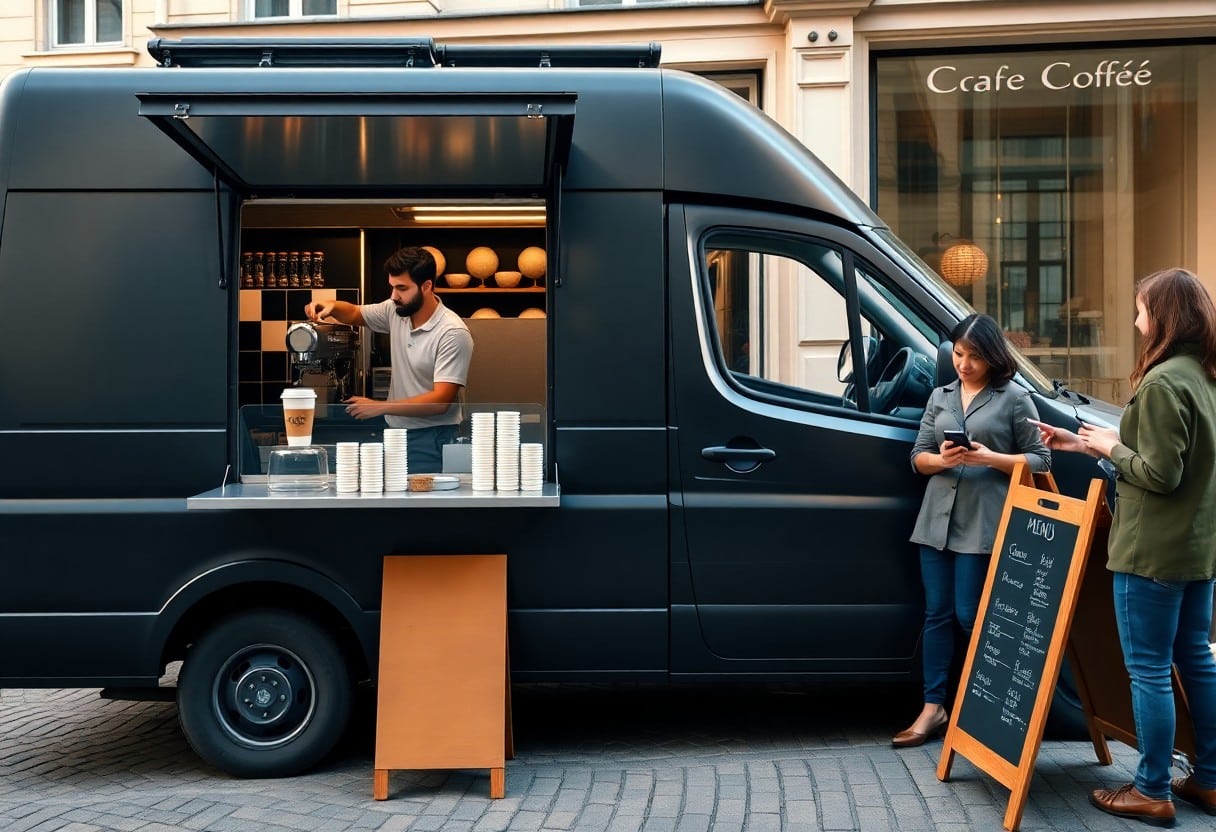
You treat a coffee van as a moving experience, where access and timing transform a simple brew into a personal statement about taste and time well spent.
Mobile vendors respond to your appetite for novelty, using visible craft and ritual to signal quality and to make each encounter feel intentionally limited.
The Appeal of Exclusivity and Curated Scarcity
Limited releases and scheduled stops make you feel like an insider, increasing your willingness to seek out and pay for those fleeting moments.
Curated offerings let you choose deliberately, so each purchase feels tailored and collectible rather than mass-produced and anonymous.
Building Community Beyond the “Third Space” Concept
Community presence at pop-ups teaches you familiar patterns-recognizing baristas, sharing recommendations, and returning for both coffee and conversation.
Nearby meetups and social updates encourage you to follow the van, join events, and trade tips that keep the mobile clientele engaged between stops.

Brand Identity and Aesthetic Authority
Design language of a coffee van becomes your visual signature, allowing you to command attention through curated materials, distinctive typography, and finishes that read as intentionally selective.
You signal premium by aligning every touchpoint – exterior, menu, packaging, and service rituals – so mobility reads as a deliberate lifestyle choice rather than a compromise.
Leveraging Visual Design to Command Premium Pricing
Craft a cohesive palette and material story so you can justify higher prices; patrons pay for evident care, tactile quality, and aesthetics that mirror the lifestyle they aspire to own.
The Storytelling Power of the Independent Mobile Unit
Authenticity sells when you position the van as a moving narrative: founder anecdotes, sourcing notes, and neighborhood stops turn individual cups into shared experiences and social currency.
Tactics like limited-release blends, pop-up collaborations, handwritten menus, and barista storytelling let you amplify scarcity and personal connection, converting casual visits into habitual loyalty.
Future Horizons: The Hybrid Retail Landscape
Hybrid setups let you split time between fixed cafés and mobile service, giving you familiar rituals while reaching customers where they live and work. You can test neighborhoods without long leases and scale presence based on real demand, keeping operations lean and responsive.
Mobility lets you craft exclusivity through scarcity and convenience, so you give customers moments they can’t replicate in stationary cafés. You will drive loyalty by turning routine routes into discoverable experiences that reward repeat engagement.
Integrating Digital Tracking and Real-Time Engagement
Data-driven ordering and location signals let you alert customers when the van is a block away, increasing impulse buys and reducing queues. You can capture preferences on the fly to refine menus and route choices tailored to each stop.
Location analytics also let you schedule appearances around events and commuting flows, so you time offers to demand and personalize messages that actually convert. You gain measurable insights to prioritize high-value stops.
Sustainability and the Efficiency of Reduced Physical Footprints
Smaller operations cut fixed costs and material waste, allowing you to invest in better beans and recyclable packaging without inflating prices. You conserve resources while delivering a premium, mobile experience.
Waste reduction comes from centralized prep and limited inventory, so you minimize spoilage and simplify supply chains compared with sprawling cafés. You can highlight lower impact as part of your brand story.
Carbon savings emerge when you replace large square footage with compact vans optimized for efficient routes, and you can further reduce emissions through electric conversions or low-emission generators, making mobility itself a sustainability claim you can quantify.

To wrap up
Presently you see mobility as a status marker; a coffee van proves that by serving fresh, high-quality brews where you are, at events or your office. The van reduces overhead, experiments with niche beans, and builds direct rapport, so you get variety and immediacy that many cafés cannot match. You gain novelty and convenience that feel like luxury, shifting preference toward mobile experiences over fixed locations.
FAQ
Q: Is mobility the new luxury in coffee service?
A: Mobility offers convenience, exclusivity, and on-the-spot experiences that many customers now value over a fixed café visit. Coffee vans reach events, offices, and high-traffic spots, creating immediacy and scarcity that feel premium. Curated menus, specialty beans, and personalized service reinforce a luxury perception.
Q: How does a coffee van outbrew a traditional café in terms of quality?
A: Mobile setups use high-end compact espresso machines, precision grinders, and trained baristas to match café-grade extraction. Focused menus prioritize a few perfected drinks, improving consistency and taste. Roast-to-service timing in a van can enhance freshness compared with larger, slower cafés.
Q: What economic advantages do coffee vans have over brick-and-mortar cafés?
A: Lower overhead from rent, utilities, and fit-out cuts fixed costs and shortens the payback period. Mobility allows operators to test locations and events before committing to a permanent site. Smaller initial investment and simpler setup in many jurisdictions speed time-to-revenue.
Q: Are customers willing to pay premium prices for mobile coffee?
A: Many customers accept higher prices for convenience, crafted drinks, and memorable on-site moments. Corporate clients, festival-goers, and busy professionals often prioritize speed and freshness over lower cost. Strong branding and consistent quality turn occasional buyers into repeat customers willing to pay a premium.
Q: What operational challenges do coffee vans face compared to cafés?
A: Vans must handle limited workspace, secure reliable power and water, and manage waste while keeping service fast and hygienic. Weather, traffic, and varying permit rules create scheduling and legal hurdles. Precise inventory planning is required to avoid shortages or spoilage during shifts.
Q: How can coffee vans create memorable customer experiences that compete with cafés?
A: Window-side interactions, visible brewing techniques, and collaborations with local suppliers craft distinct moments. Strategic location choices and social media storytelling turn brief visits into shareable experiences. Regular pop-up schedules and loyalty incentives build a dependable customer base.
Q: Is mobility a sustainable model for long-term growth?
A: Mobile operations can cut environmental impact through smaller footprints, local sourcing, and route optimization that reduces delivery emissions. Investment in electric vehicles and compostable packaging strengthens green credentials. Growth through fleets, a central roastery, or a hybrid model with a flagship site preserves quality while expanding reach.