
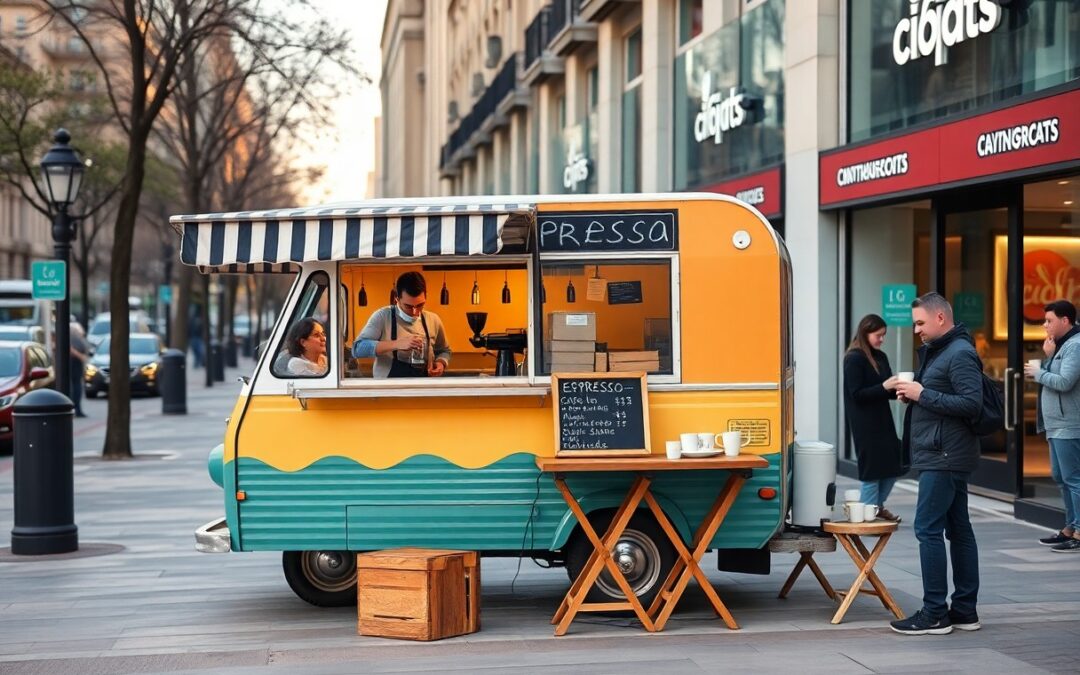
It’s clear pop‑up coffee vans offer you a practical alternative to cookie‑cutter cafés, delivering fresh, experimental menus, flexible locations, and direct community ties that challenge standard coffee‑shop norms and reshape how you experience specialty coffee.
Key Takeaways:
- Pop-up coffee vans inject variety into coffee scenes by offering rotating menus, experimental brews and lower-risk testing grounds for new concepts.
- Mobile setups create place-specific social encounters and activate streets, markets and events, attracting customers who seek convenience and novelty.
- Local cafés face competitive pressure to specialize or improve quality, while clear policy and licensing determine whether pop-ups complement or displace bricks-and-mortar businesses.
The Rise of Café Conformity
Cities increasingly favor identical décor, playlists and Instagram-ready pours, so you face a predictable experience wherever you go.
Many independent operators find brand templates and lease pressures nudging you away from inventive menus and local touches.
The homogenization of the “third wave” aesthetic
Minimalist interiors and single-origin signage promise authenticity, yet they train you to expect a uniform visual language that erases neighborhood quirks.
Standardized menus and the loss of regional character
Chains streamline offerings so you can order the same flat white in multiple locations, which reduces chances to discover local beans or heritage recipes.
Menu trimming also sidelines seasonal specials and regional pairings that would otherwise give neighborhoods distinct flavors you can taste.
You lose opportunities to learn about small roasters and local ingredients when formats prioritize speed and consistency over provenance.
The Pop‑Up Model: Agility as a Competitive Edge
Mobile pop‑up vans let you test roast profiles, menu tweaks and service models in different neighborhoods without long leases, collecting direct customer feedback and sales signals that inform smarter growth decisions for an eventual permanent location.
Lowering barriers to entry for independent roasters
Small capital outlay and portable equipment mean you can launch with modest inventory, partner with local suppliers for micro‑batches, and build brand awareness before taking on rent or staff commitments.
Rapid adaptation to seasonal and local trends
You can pivot offerings overnight to match seasonal produce, local events or weather shifts, swapping beans, syrups and brewing styles to keep the menu timely and appealing.
Local pop‑ups also let you trial collaborations and limited runs in specific neighborhoods, so you can refine pricing, portioning and marketing based on real demand before scaling successful items.
Reclaiming the Urban Landscape
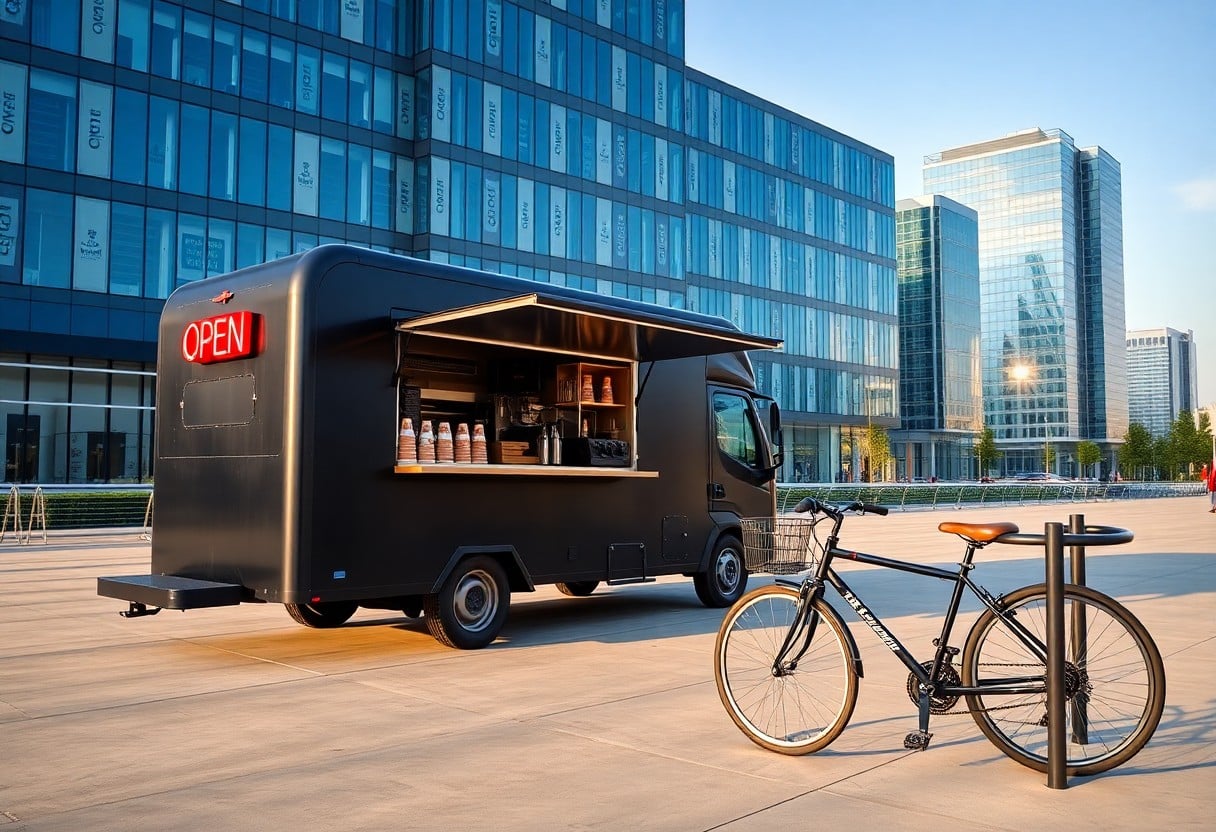
You watch pop-up coffee vans reconfigure underused streets into micro-destinations, turning brief pauses into communal rituals that interrupt chain uniformity and invite local personality back into daily routines.
Streets that once encouraged hurried commutes now offer you pockets of pause, where a quick espresso reshapes how you perceive proximity, commerce and neighborhood identity.
Transforming non-traditional spaces into social hubs
Corners, parks and loading bays become adaptable meeting points where you settle with a cup, meet neighbors and witness spontaneous events that convert circulation zones into places of interaction.
The psychological appeal of transient retail experiences
Novelty heightens your engagement, so a pop-up feels like discovery rather than consumption, prompting you to explore, share and return more readily than to predictable outlets.
Small rituals-the barista’s greeting, a hand-written menu, ephemeral décor-accelerate familiarity, making you more likely to form emotional attachments and recommend the spot to your circle.
Cultivating Authentic Community Connections
You watch pop-up vans convert passersby into familiar faces by arriving where people already gather, and you notice how small rituals-weekly spots, signature drinks-build trust faster than polished shop fronts.
Pop-up vans revive the indie spirit critics discuss in The Conversation – Indie coffee shops were supposed to …, and you can influence menus, events, and partnerships simply by showing up and speaking with the team.
Fostering hyper-local engagement through mobility
Mobility lets you meet different neighborhoods on their terms, so you encounter new customers and deepen ties by matching hours and locations to local routines.
Routes adapt to farmers’ markets, office mornings, or evening arts nights, and you benefit when the van becomes a predictable, welcome presence that supports community rhythms.
The barista as a curator of personalized service
Baristas build rapport through memory and small adjustments, meaning you enjoy drinks tweaked to your taste and conversations that feel bespoke rather than scripted.
Tasting notes, quick cuppings, and stories about beans let you learn alongside the barista, turning each order into an invitation to participate in the coffee’s story.
Navigating the Operational Realities
Operational planning will force you to map reliable power, water, waste disposal and permitted parking, then build schedules that reduce downtime and avoid fines.
You must reconcile high-volume service demands with slow-brew techniques, so modular workflows and contingency stock keep quality steady during rushes or supply hiccups.
Overcoming regulatory and logistical constraints
Regulatory hurdles-permits, health inspections and insurance-vary by municipality; you can speed approvals by keeping clear documentation and cultivating direct lines with local officers.
Logistics cover load-in windows, secure storage and waste removal; you should use checklists, stagger deliveries and design compact layouts to shorten setup and strike times.
Maintaining specialty standards in a mobile environment
Baristas act as your mobile quality team, trained to hit extraction targets, calibrate grinders on the fly and manage milk texture under strict space limits.
Temperature control for beans, milk and boilers matters in vans, so you should fit insulation, remote gauges and backup heating to keep shots consistent across weather shifts.
Quality systems like daily cupping, grinder logs and photographed recipes let you audit performance quickly; you must keep SOPs simple so customers get the same specialty cup at every stop.
Economic Sustainability and Market Impact
You can reduce upfront risk with a pop-up van, since lower rent, simpler fit-outs and flexible schedules shrink capital exposure while preserving margin options.
Operationally, a mobile model cuts variable costs by letting you pick high-footfall events, limit staff to importants and match hours to demand for better cashflow.
Comparative overhead: Fixed storefronts versus mobile units
Overhead comparison
| Fixed storefront | Mobile unit |
|---|---|
| High rent and long leases | Vehicle purchase and maintenance |
| Utility and insurance recurring costs | Event fees and location permits |
| Larger staff and higher payroll | Lean staffing and flexible hours |
| Significant fit-out and branding expense | Lower fit-out, higher mobility expenses |
Costs for storefronts are dominated by fixed overhead, while vans concentrate expenses into the vehicle and variable site fees, giving you tighter short-term control.
The role of pop-ups in testing long-term brand viability
Testing through pop-ups lets you collect direct customer feedback, measure demand in different neighborhoods and refine menu and pricing before signing a long-term lease.
Insights from repeated short runs reveal which offerings scale, where a permanent site would perform, and what metrics you should use to justify expansion or adjust strategy.
Final Words
On the whole you can view pop-up coffee vans as a practical counterpoint to café conformity: they bring local character, flexible locations, and experimental menus that let you find distinct flavors outside corporate chains. If you seek variety, direct barista contact, and lower overhead prices, these vans offer a nimble alternative that reshapes what coffee service can be.

FAQ
Q: What does “café conformity” mean in the context of coffee culture?
A: Café conformity describes the uniform look, menu, pricing and service model replicated by large coffee chains and some independent cafés, where design templates, standardized drink formulas and corporate supply chains reduce local variation and limit experimental offerings. This trend produces predictable experiences, crowds out small independent operators in high-rent areas and narrows consumer choice for region-specific beans, brewing methods and personal service styles.
Q: How do pop-up coffee vans differ from traditional brick-and-mortar cafés?
A: Pop-up coffee vans operate with mobility, lower fixed costs and a focus on agility, which allows owners to test locations, schedules and menus without long-term leases. Vans tend to use compact equipment, prioritize direct customer interaction, adapt to events and street-footfall, and offer rotating beans or single-origin batches that contrast with the standardized chains’ mass menus.
Q: Can pop-up vans realistically act as an antidote to conformity across entire cities?
A: Pop-up vans can diversify urban offerings by introducing new flavors, brewing styles and small-batch roasters, but they face scale limits that hinder replacing full café networks citywide. Concentrated clusters of vans and collaborations with markets, festivals and workplaces can shift consumer expectations and pressure larger cafés to innovate, yet systemic change requires supportive policy, supply networks and sustained consumer demand.
Q: What sustainability trade-offs do pop-up coffee vans present compared with cafés?
A: Vans can reduce embodied energy tied to brick-and-mortar fit-outs and encourage local sourcing, shorter supply chains and lower food waste through smaller batch production. Diesel generators, limited recycling infrastructure and single-use packaging can increase per-cup environmental impact if operators do not adopt electric powertrains, battery systems, reusable cup schemes or compostable disposables. Thoughtful choices on vehicles, waste handling and suppliers determine whether a van is greener than a café.
Q: What operational or regulatory limitations restrict the impact of pop-up coffee vans?
A: Operational constraints include limited storage, reduced menu breadth, weather dependence and smaller service throughput during peak times. Regulatory hurdles involve permits for trading on streets, food safety certifications, waste-disposal rules and local parking restrictions. These factors can make consistent trading difficult and raise upfront compliance costs for proprietors attempting to scale.
Q: Do pop-up coffee vans deliver better quality coffee or are they mainly novelty attractions?
A: Many vans prioritize quality by using skilled baristas, high-grade grinders, proper extraction equipment and fresh beans, producing exceptional espresso and alternative brew methods despite compact setups. Novelty plays a strong role in attracting customers, but repeat business depends on consistency, staff skill and supply discipline, so top-performing vans can match or surpass nearby cafés in taste and technique.
Q: How can local authorities and businesses support pop-up coffee vans so they enhance local coffee options?
A: Local authorities can create streamlined street-trading permits, designated vending zones, temporary event licences and access to shared commissary kitchens for food prep and storage. Businesses and markets can offer docking points, power access and promotion partnerships, while small grants, training programmes and mentorship help vendors meet health, safety and business-planning requirements so vans can operate reliably and grow their local presence.