
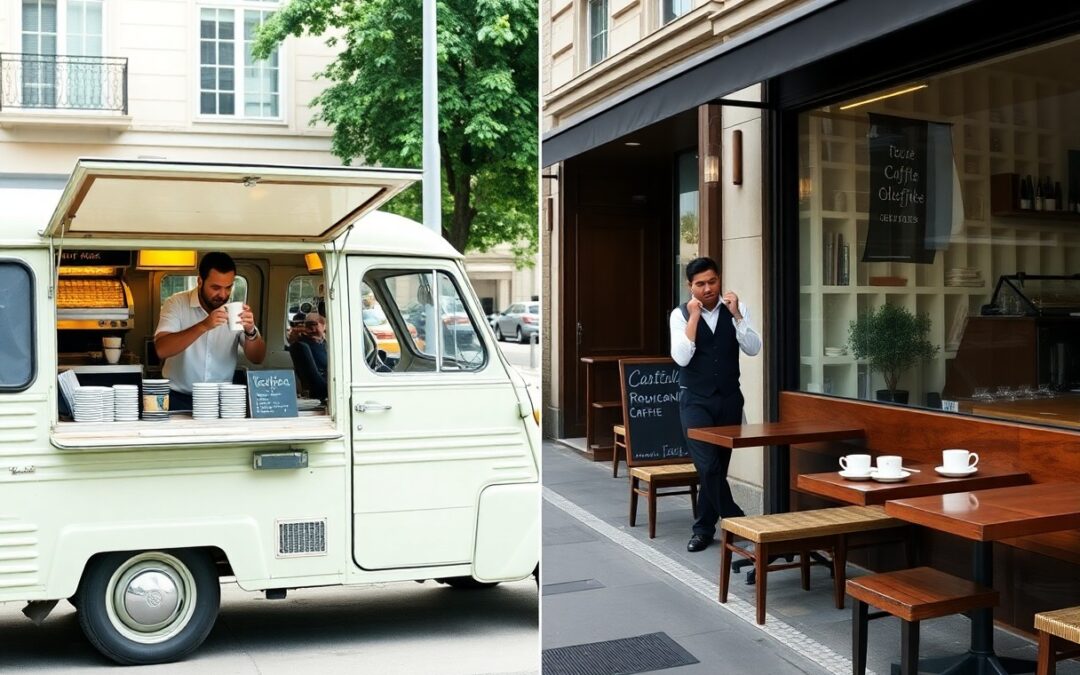
There’s a clear shift you should track: mobile coffee vans offer convenience and local reach while classic cafés provide atmosphere and consistency, and you can weigh costs, community impact, and scalability to decide which model will dominate your neighborhood.
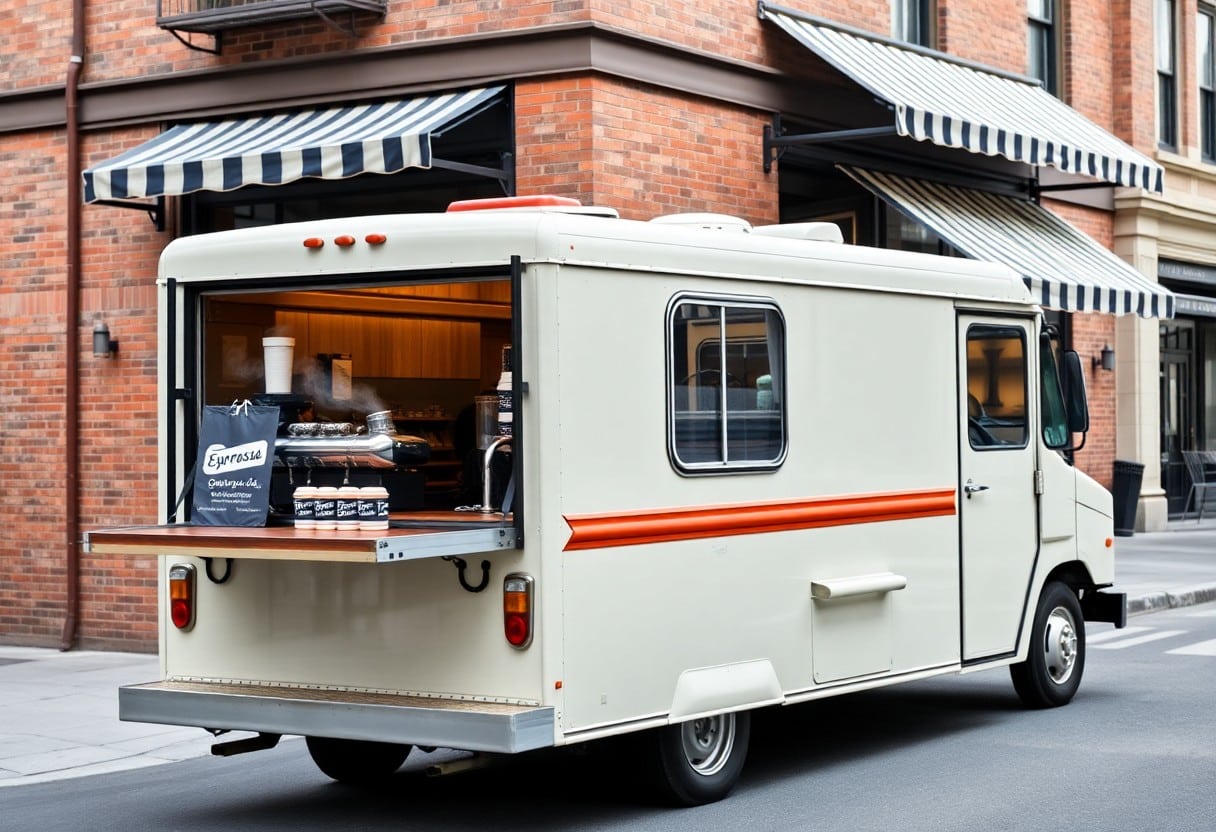
Key Takeaways:
- Coffee vans expand convenience and access, meeting demand for pop-up service at events, office clusters, and transit hubs.
- Classic cafés provide atmosphere, consistent menu offerings, and a community gathering space that mobile units struggle to replicate.
- Hybrid models combining mobility, strong branding, and digital ordering point to a diversified caffeine market where both formats coexist and specialize.
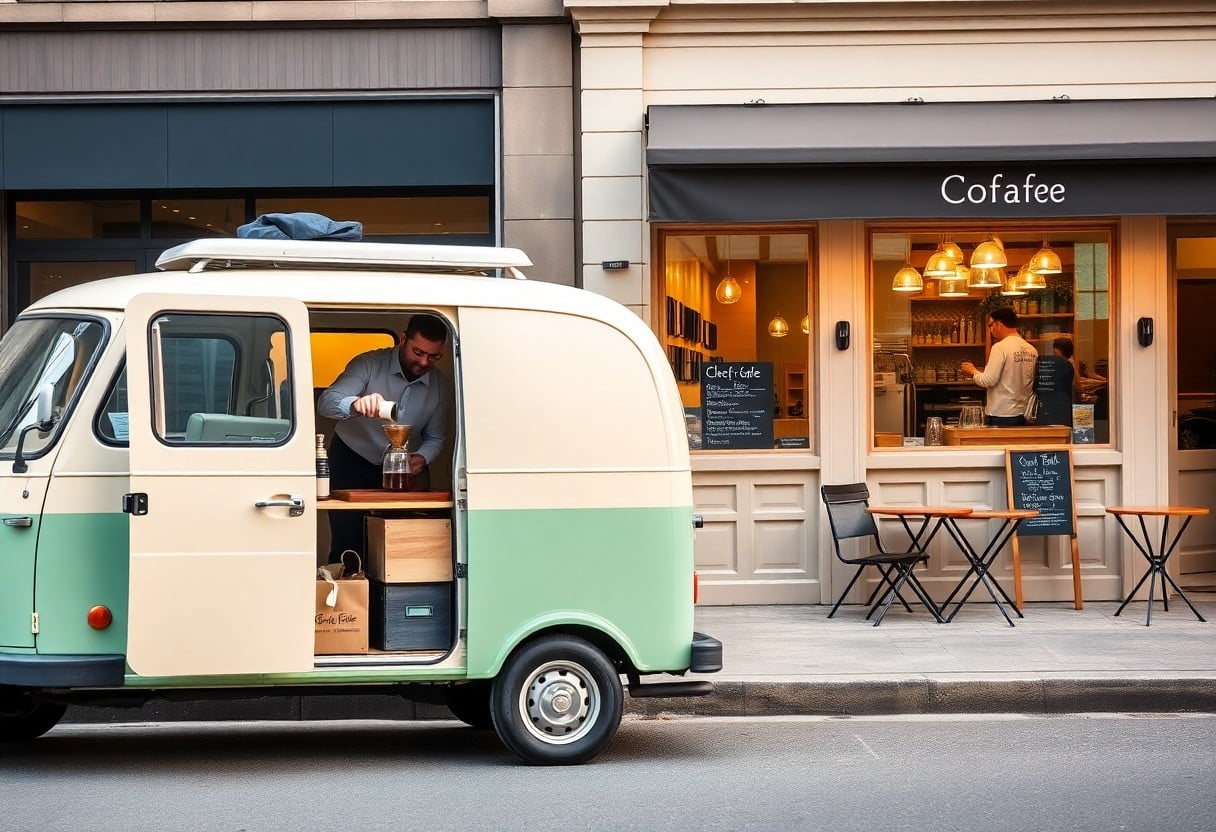
The Economics of Mobility vs. Fixed Locations
Cost profiles diverge: a mobile van slashes your upfront rent and utility commitments, so you can deploy with lower capital and test routes, whereas a fixed café requires heavy fit-out and steady lease payments.
Cashflow dynamics favor mobility because you can chase events and adjust hours to demand while a café gives more predictable daily traffic and broader food-margin opportunities for you to grow revenue.
Lowering Barriers to Entry for Entrepreneurs
Startups and solo operators often find mobile setups more accessible since you can acquire a vehicle, outfit basic equipment, and begin serving customers without signing multi-year leases that would tie up your capital.
Real Estate Volatility and the Lease-Free Advantage
Rent volatility exposes you to sharp cost swings, and sudden hikes can erode your margins quickly if you are locked into downtown leases that assume steady foot traffic.
Mobile operations free you from long-term rent exposure, allowing you to relocate to higher-demand spots, scale down during slow seasons, and redirect spending toward product quality and customer outreach.
Licensing and parking rules replace lease negotiation as the main constraint, so you should account for permit fees, route restrictions, and event costs when comparing the true financial advantage.
The Psychological Need for the ‘Third Place’
You seek neutral spaces to shift mental gears, meet others, and feel part of something beyond work or home, and both cafés and vans answer that need in different ways; explore mobile dynamics in Coffee Car Chronicles: Exploring the World of Mobile … to see how movement creates fleeting communities.
Mobile setups give you spontaneity and convenience you might crave between appointments, offering quick social contact that punctuates your day without demanding long stays.
Cafés as Community Pillars and Social Anchors
Community cafés provide you predictable environments to work, converse, and build routine relationships, acting as informal meeting rooms where familiarity grows and local culture is visible in daily rituals.
The Limitations of Transactional Coffee Culture
Quick-service models condition you to treat coffee as fuel, shortening interactions and reducing opportunities for lingering conversation or meaningful connection in shared spaces.
That shift can leave you with fewer anchors in your neighborhood, because speed-focused exchanges rarely generate the recurring encounters that build trust and belonging over time.
Technological Catalysts for the Coffee Van Revolution
Mobile tech like integrated grinders, thermal management and energy-efficient machines means you can deliver consistent espresso quality from a small van, matching many brick-and-mortar offerings.
Data-driven sensors and real-time analytics let you optimize routes, manage stock, and forecast demand so you can minimize waste and hit peak service windows with the right product at the right time.
Precision Brewing in Compact Environments
Space-saving PID controllers and compact grinders give you precise temperature and dose control, so you can dial recipes on the move and maintain consistency across shifts.
Geolocation and App-Based Customer Retention
Apps that combine geofencing and live menus let you alert local customers, so you can capture impulse purchases and steer foot traffic toward your van rather than a nearby café.
Push notifications tied to loyalty profiles let you send timed discounts and track repeat visits, helping you refine schedules and offers so you can build a dependable local following.
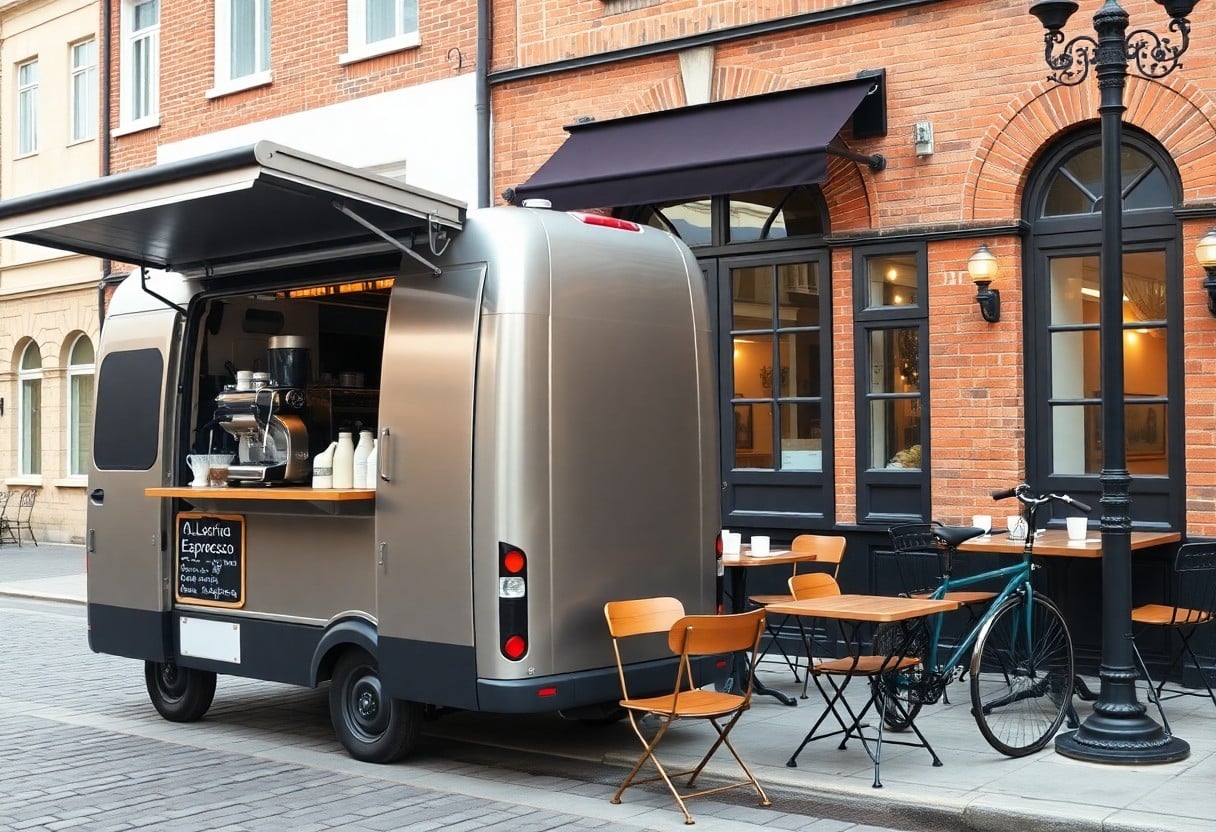
Design and Experience: Creating Atmosphere on Wheels
Mobile layouts force you to prioritize flow and sightlines, arranging equipment, queues, and serving to feel intimate despite tight footprints.
Lighting and material choices allow you to suggest warmth and craft, so your van reads as a deliberate destination rather than a hurried transaction.
Branding Challenges in Transient Spaces
Consistency across changing locations asks you to distill identity into bold signage, packaging, and uniforms that register instantly in a glance.
Adaptability lets you respond to local tastes and events, but you must protect signature elements so customers can find you again on the move.
Sensory Marketing in Permanent Establishments
Aroma control, visible brewing, and soundtrack choices give you tools to script customer journeys and build habitual visits in a fixed venue.
Texture, acoustics, and lighting let you fine-tune dwell times and perceived value, encouraging repeat visits through a consistent, multi-sensory signature you control daily.
Sustainability and the Environmental Footprint
You should weigh operational energy and embodied emissions when comparing vans and cafés. Mobile units burn fuel and require frequent servicing, while cafés concentrate consumption in building heating, lighting, and refrigeration. Your choice affects local air quality, grid demand, and long-term carbon accounting.
Assessing lifecycle impacts shows vans often have higher per-cup transport emissions on typical routes, but cafés carry heavier embodied costs from construction and continuous utilities. You will need to consider sourcing, cup reuse programs, and the scale of service to judge net benefits.
Fuel Consumption vs. Building Energy Efficiency
Fuel consumption in vans creates direct tailpipe emissions, and you face trade-offs when routing for demand; electric vans can cut that, but charging infrastructure and battery production matter. Fixed cafés shift emissions to building energy use, where insulation, HVAC, and renewable sourcing change the equation.
Single-Use Waste Management in On-the-Go Models
Packaging waste is more visible with on-the-go service, and you encounter single-use cups, lids, and stirrers at higher rates; click-and-collect models can reduce duplicates. Effective deposit-return or compostable programs require coordination with suppliers and municipal facilities.
Scaling reusable strategies for vans means investing in return logistics, incentives for customers, and on-board washing capacity if allowed; you must weigh labor, water use, and health regulations against the waste reductions achieved.
Market Trends and Consumer Behavior
Data indicates you increasingly prioritize convenience and experience, driving growth in mobile coffee services alongside steady footfall at established cafés as cities densify and remote work patterns shift.
Consumers expect choice and speed, so you weigh proximity, menu variety, and service format when deciding between a sit-down ritual and a grab-and-go specialty pour.
The Rise of Event-Based and Pop-Up Demand
Events create concentrated spikes where you want immediate access to high-quality coffee, making vans particularly effective at festivals, markets, and corporate functions.
Pop-up concepts let you sample new roasts and service models without long commitments, which encourages you to try innovations and give rapid feedback that shapes future offerings.
Premiumization and the Discerning Modern Palate
Taste trends show you favor clarity, origin stories, and brewing transparency, pushing both cafés and vans to offer single-origin options and precise methods to meet your expectations.
Quality expectations mean you will pay more for skilled baristas and distinctive beans, so operators must justify premiums through clear provenance, technique, and consistent execution.
Pricing models such as tiered menus and subscriptions allow you to trade convenience for reliable access to specialty coffee, giving vendors predictable revenue while meeting your demand for curated, repeatable experiences.
Final Words
On the whole you should expect a hybrid future for caffeine culture: mobile coffee vans will meet on-the-go demand while classic cafés remain hubs for community, craft and prolonged socialising. You can choose convenience or continuity based on your routine as many operators blend both models to fit events, neighbourhoods and specialty trends, so your coffee options become more flexible without losing quality.
FAQ
Q: What market trends are driving interest in coffee vans versus classic cafés?
A: Rising demand for convenience and locality is driving the popularity of coffee vans, while appreciation for crafted, sit-down experiences keeps classic cafés relevant. Lower startup costs and social-media-friendly formats help vans scale quickly, and continued consumer interest in specialty beans, single-origin sourcing, and skilled baristas sustains cafés. Pandemic-driven shifts toward outdoor and contactless service accelerated mobile offerings, while hybrid models such as café-launched vans and pop-up concepts have increased cross-channel visibility.
Q: Do coffee vans threaten the survival of traditional cafés?
A: Coffee vans do not necessarily threaten cafés; both formats serve different consumer needs. Vans capture on-the-go customers, event contracts, and underserved neighborhoods, while cafés offer ambience, workspace, and extended beverage menus that encourage dwell time. Competition exists on convenience and price, but many operators coexist by targeting distinct occasions, price points, and community roles.
Q: Which model offers better profitability for a small operator: a van or a brick-and-mortar café?
A: Profitability depends on fixed costs, volume, and revenue mix. Vans have lower rent and initial capital requirements but face fuel, maintenance, weather sensitivity, and limited menu capacity. Cafés carry higher rent and staffing costs but can generate steadier income through longer hours, food programs, and seating turnover. Event catering, wholesale, and subscription programs can boost margins for both formats if executed well.
Q: Can mobile setups match the coffee quality of classic cafés?
A: Mobile setups can match high-quality café standards when equipped with commercial-grade espresso machines, water filtration, and proper grinders. Skilled baristas and consistent supply chains for fresh beans are necessary for parity. Space constraints in vans limit batch sizes and food prep, but careful workflow design and menu focus allow many vans to deliver specialty-level drinks.
Q: How do environmental and sustainability concerns compare between vans and cafés?
A: Environmental impacts differ by area: vans add fuel emissions and may use more disposable packaging unless they implement reusable-cup incentives or electric drivetrains. Cafés consume energy for appliances and heating but can offset waste through in-house recycling, composting, and bulk purchasing. Sourcing sustainable beans and reducing single-use items are effective strategies for both formats.
Q: What role will technology and payment systems play in the future of caffeine culture?
A: Mobile ordering, contactless payments, and app-driven loyalty programs will continue to shape customer expectations for speed and personalization. Data from digital orders helps operators optimize locations, menus, and staffing. Solar or battery-powered vans, smart inventory systems, and cashless event setups will expand operational flexibility for mobile vendors and streamline service in cafés.
Q: Which model is likely to dominate the future: motion-focused coffee vans or classic stationary cafés?
A: Neither model is likely to completely dominate; coexistence and hybrid approaches are the most probable outcome. Consumer demand for convenience, experience, and quality will support both mobile and stationary offerings. Operators that specialize, adapt to local needs, and combine channels-such as cafés adding mobile units or vans offering pop-up cafés-will capture diverse occasions and customer segments.