Strategy you must tailor branding, location targeting, social posts, and partnerships: for a van emphasize mobility, pop-up timing, and event outreach; for a café emphasize atmosphere, loyalty programs, and steady foot traffic.
Key Takeaways:
- Use location-first, real-time outreach for the van: post routes and ETAs on social, claim map/GMB listings with “coffee truck near me” keywords; optimize the café for steady local search with a complete Google Business Profile, consistent hours, and event listings.
- Promote van’s scarcity and convenience with pop-ups, event partnerships, limited-time menu items, and live stories; promote café’s repeat visits with in-store events, community meetups, email newsletters, and a simple loyalty program.
- Match creative assets to channel: short-form videos, location stickers, and grab-and-go packaging for the van; high-quality interior photos, barista storytelling, longer-form content, and active review management for the café.
Identifying Key Success Factors for Mobile vs. Fixed Locations
Identify the metrics you track: location reliability, peak times, average ticket, and repeat visits so you can compare a van and a café on clear terms.
- Consistency of hours or schedule
- Perceived value of menu and pricing
- Local reviews and repeat customer rate
Assume that you will prioritize consistency for a café and flexibility for a van when allocating marketing budget.
Factors that drive consistent foot traffic to a local café
Focus on atmosphere, reliable hours, and staff service so you build habitual visits and neighborhood loyalty.
- High-visibility storefront and signage
- Comfortable seating and reliable Wi-Fi
- Regular events or local partnerships
Any marketing you run should emphasize convenience and community ties to keep steady foot traffic.
How-to capitalize on the agility and novelty of a modern coffee van
Use creative routes, pop-up timings, and bold social posts so you draw curiosity and maximize event-driven sales.
Experiment with limited-time menus, live location updates, and linked promotions so you convert one-off visitors into returning customers.
Mastering Social Media and Real-Time Engagement
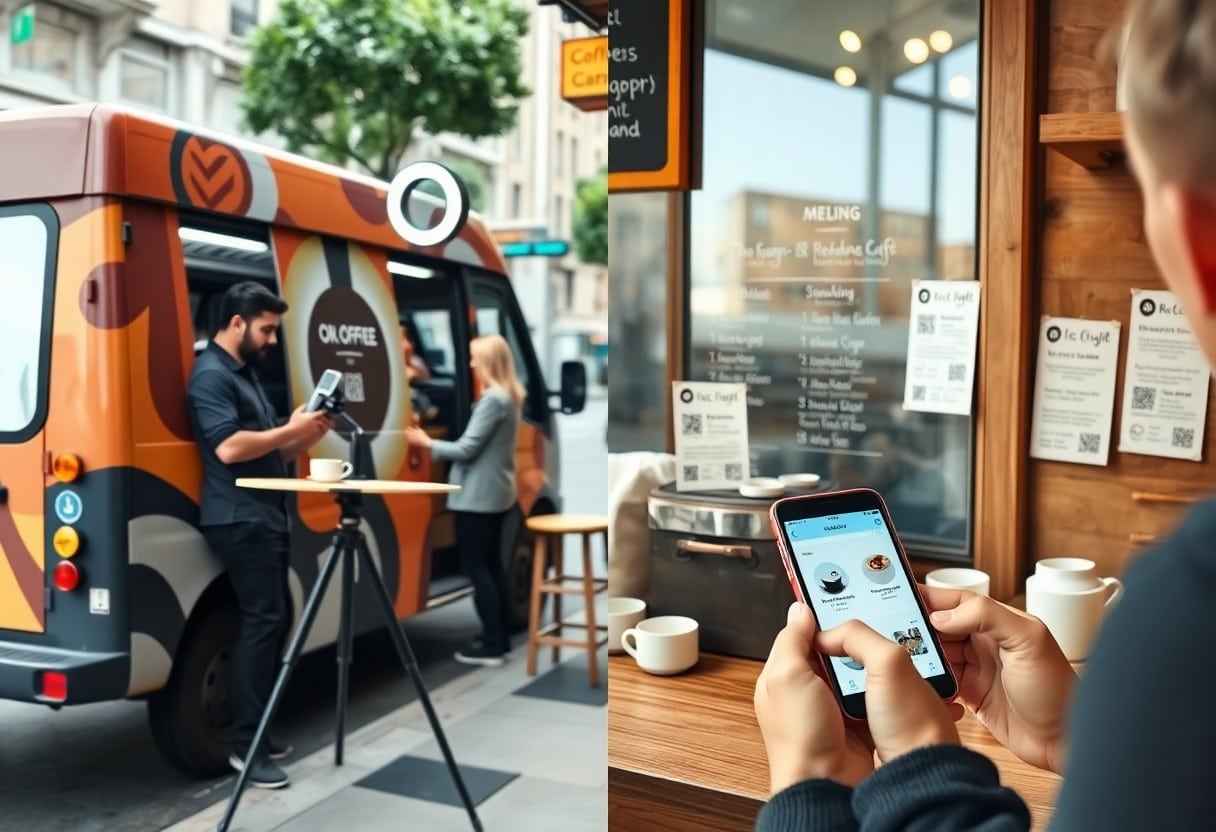
Post short, frequent updates that tie the van’s movement to menu highlights so you drive immediate foot traffic; you should alternate live Stories for urgency with curated posts that reinforce your brand voice for both van and café audiences.
Engage quickly with replies, mentions, and direct messages to turn curiosity into visits; you should use polls, countdowns, and local hashtags to keep followers informed and to signal when either location has a special offer.
Tips for using live location updates to attract van customers
Pin clear geotags and status notes so followers know if you’re serving, setting up, or closing; you should include estimated arrival windows, nearby landmarks, and a short menu tease to encourage rapid decisions.
- Announce arrivals 15-30 minutes ahead to capture lunch and commute crowds.
- Post a map screenshot plus a Story sticker so followers can tap through to navigation.
- Keep an archive or highlight of recent stops so new followers see your route pattern.
- Any update that teases a limited-run flavor can spark urgency and drive a line.
How-to build a digital community around a physical storefront
Host regular in-store events and exclusive online RSVP groups so you convert casual visitors into repeat customers; you should promote these across channels and spotlight attendees to deepen connection between digital followers and the physical space.
Create a content rhythm that ties café rituals to online perks, such as weekly features, customer shoutouts, and loyalty codes redeemable in-store; you should encourage user-generated posts and reshare them to validate participation.
Offer member-only promos, behind-the-scenes content, and a clear schedule of social-first perks so you reward engagement and make the storefront feel like a community hub rather than just a point of sale.
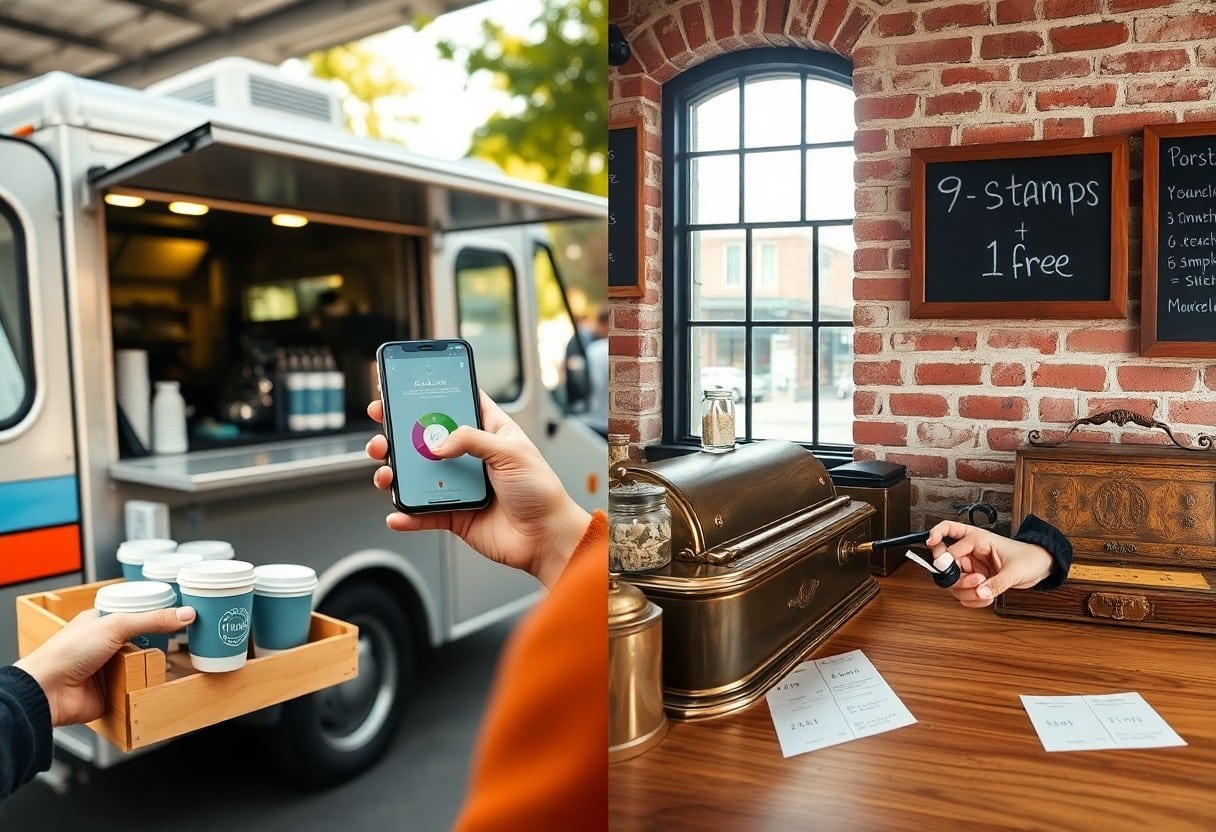
Designing Effective Loyalty Programs
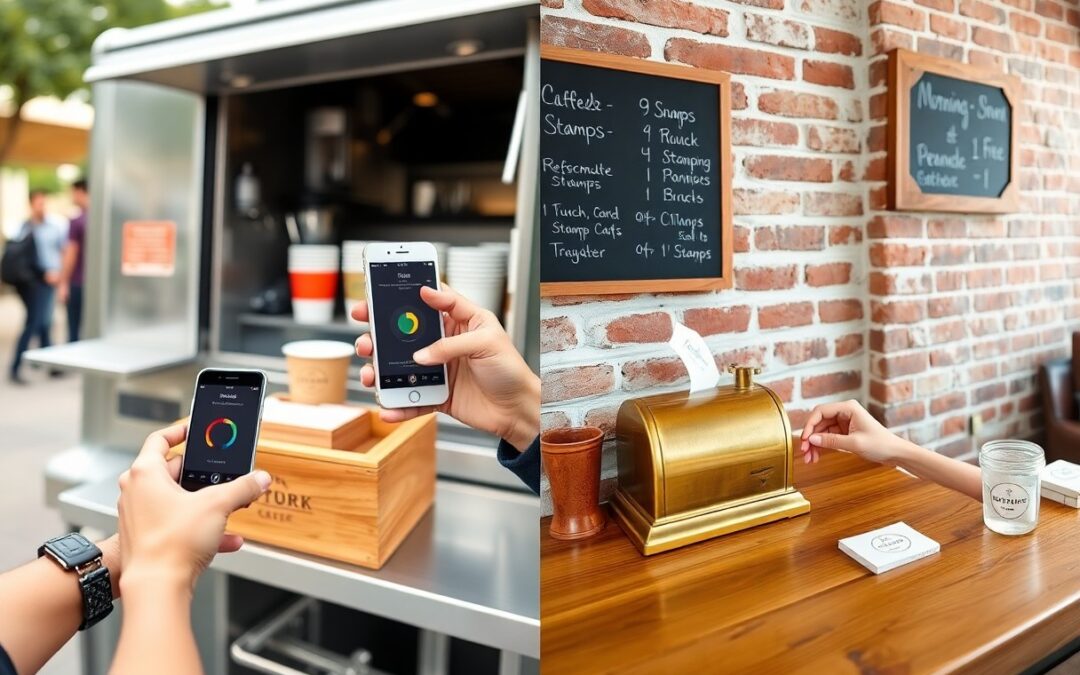
You should tailor rewards to visit patterns: quick, low-friction perks for van customers and layered benefits for café regulars that justify higher spend. Keep rules simple, visible at point of sale, and reward values aligned with profit margins so you sustain the program.
Measure redemptions, repeat-rate lift, and average ticket changes so you can refine thresholds and offers without cutting into margins. Use short testing windows and customer feedback to iterate on rewards.
Factors that encourage repeat visits in a neighborhood setting
Local familiarity wins: you can rely on routine, friendly service, and predictable hours to convert passersby into regulars. Offer small personal touches like preferred drink notes and a consistent pickup spot to deepen loyalty.
- Convenient location and clear signage
- Predictable schedule and rapid service
- Personal recognition and friendly staff
- Relevant rewards and simple redemption
Consistent visibility and community ties make habitual stops feel easy and worthwhile. Assume that small conveniences and social connection will drive more frequent visits than steep discounts.
Tips for mobile-first loyalty apps tailored for the coffee van entrepreneur
Optimize onboarding to a single tap and let customers pay, collect stamps, and claim rewards without friction. Push notifications should announce your route, estimated arrival, and limited-time rewards so you stay top of mind.
- Fast signup with social or phone auth
- Digital punch cards and one-tap payments
- Route alerts and limited offers
Test flows with short pilots and ask riders for direct feedback to prioritize features. Knowing that speed and clarity in the app increase repeat purchases, focus on checkout velocity and visible progress.
Focus app features on what matters most to your operation: speed, offline capability, and clear reward steps; avoid clutter that slows transactions. Use simple analytics to track visits and refine offers based on time and location.
- Offline caching for poor signal
- Minimal screens from scan to reward
- Referral credits tied to route check-ins
Knowing that customers will abandon slow or confusing flows, keep the path from open-to-buy under 30 seconds and reward visible progress.
Strategic Branding and Visual Identity
Branding should make your van and café instantly recognizable, so you must apply the same logo, color palette, and typography across both. Use signature elements-iconography, a consistent menu style, and a trademark voice in social posts-to ensure customers connect the mobile stops with the brick-and-mortar experience.
How-to use vehicle aesthetics as a high-impact marketing tool
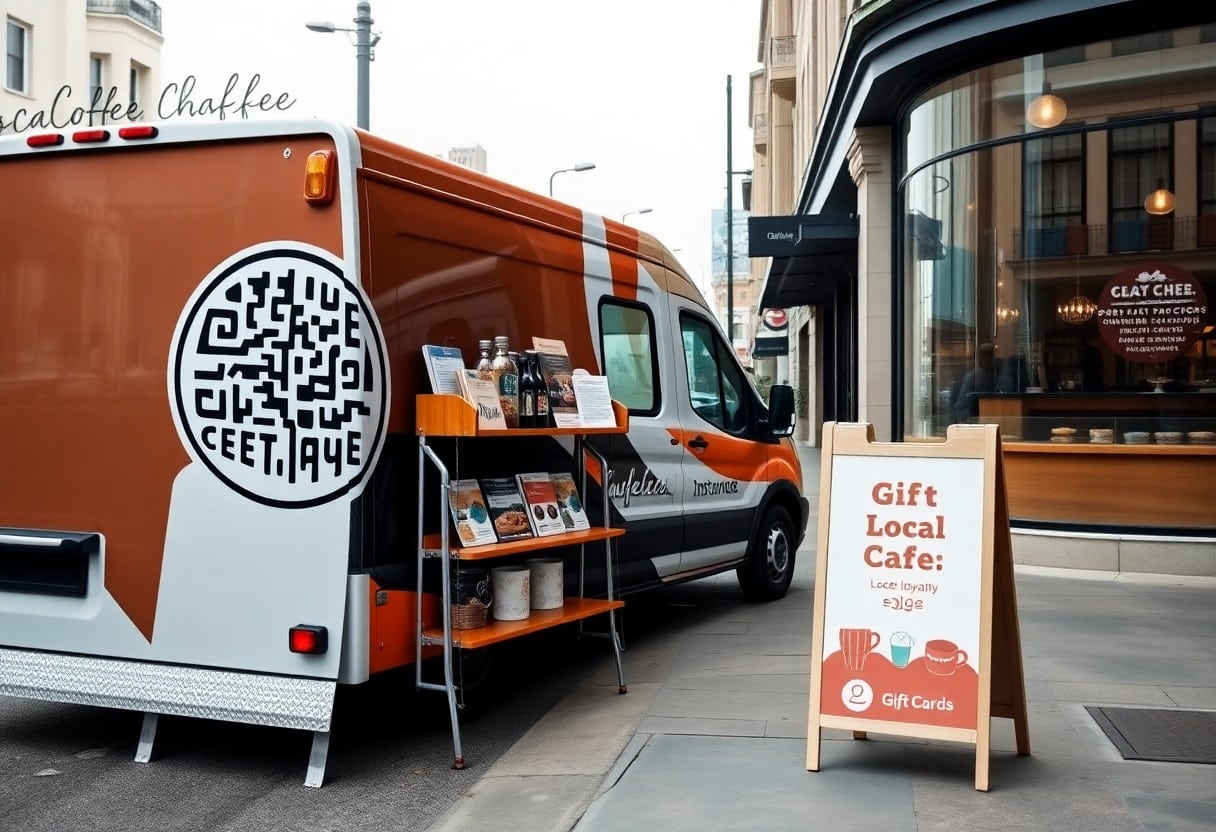
Van design acts as a roaming storefront, so you should prioritize a bold wrap, legible signage, and a clear service point that reads from a distance. Include a visible schedule, social handle, and a photo-ready graphic to turn passersby into mobile ambassadors.
Factors in creating an inviting and cohesive interior atmosphere for cafés
Lighting shapes perception, so you should combine daylight, warm task lights, and accent fixtures to control mood and dwell time; choose durable finishes, comfortable seating mixes, and clear sightlines to the counter. Signage and playlist choices should reflect your brand voice to unify customer experience.
- Consistent color and materials across furniture and finishes
- Seating variety for solo work, groups, and quick stops
- Acoustic treatments and scent strategy to manage comfort
- Recognizing how small changes alter customer behavior helps you refine the space
Textures contribute to comfort, so you should select tactile surfaces-wood, soft upholstery, matte tiles-that age gracefully and photograph well; incorporate plants and curated displays to create focal points and reinforce your identity. Staff uniforms and menu design should mirror in-van branding for continuity.
- Clear menu hierarchy and readable type at all angles
- Flexible seating that can be reconfigured for events or peak times
- Maintenance plans to keep finishes fresh and welcoming
- Recognizing seasonal tweaks maintains customer interest and aligns with promotions
Local Networking and Partnership Tactics
Build your presence by connecting with nearby businesses, event organizers, and neighborhood groups; you can attend meetings, join the chamber, and offer trial tastings.
Connect digital and offline outreach by sharing co-branded promotions, cross-posting events, and offering staff discounts that you promote to local employees.
Tips for integrating a café into the local business ecosystem
Design a loyalty program and catering menu that meet nearby offices’ needs, and you should host tasting mornings for neighbouring store owners.
- Invite office managers for free tastings and menu consultations you tailor to their schedules
- Run short-term partnerships with nearby gyms or shops to offer discounts you promote in-store
- Swap social posts with fellow local brands and feature their products on your counter to attract their customers
Knowing the rhythms of local businesses lets you time promotions and pop-ups for maximum weekday traffic.
How-to pitch your coffee van for high-traffic corporate events and festivals
Pitch your van to corporate event planners and festival bookers with a concise one-sheet, clear capacity numbers, and quick setup times that show you won’t disrupt their schedule while you serve high-quality coffee.
Offer tiered packages-basic quick-serve, branded barista teams, and VIP beverage stations-and include social media shoutouts and simple analytics on sales and footfall you can present to prove ROI for the organizer.
Conclusion
To wrap up, you should tailor mobile promotions, choose locations by foot traffic, and post real-time updates to build a following for your coffee van. For your café, optimize local search, host neighborhood events, and consult resources like Local Marketing Strategies for Coffee Shops to refine tactics.
FAQ
Q: What is the core difference in marketing a modern coffee van versus a local café?
A: A coffee van sells mobility and spontaneity while a café sells place and experience. Van marketing focuses on schedule, location announcements, event presence, and quick visual cues that attract passersby. Café marketing emphasizes atmosphere, time-on-site, menu depth, regulars, and local search visibility. Mix location-based tactics, social updates, and partnerships for a van; mix community outreach, in-store events, and local SEO for a café.
Q: How should target audiences differ between the two formats?
A: A van targets transient audiences such as event attendees, office workers during peak breaks, commuters, and weekend market visitors. A café targets neighborhood residents, remote workers, students, and customers seeking a longer stay. Use time-of-day segmentation for a van and neighborhood segmentation for a café to tailor offers, menu options, and communication channels.
Q: What social media tactics work best for a coffee van compared to a café?
A: A van benefits from real-time channels: Instagram Stories, location tagging, TikTok short clips, and Twitter/X updates about current location and menu drops. Use geotags, event hashtags, and interactive polls to draw crowds. A café should focus on high-quality imagery, scheduled posts about events or seasonal menus, Google Business Profile updates, and community groups. Both should collect direct contacts through DMs, signups, or QR codes.
Q: How can each use events and local partnerships to grow brand awareness?
A: A van grows fast by booking markets, festivals, private events, office pop-ups, and collaborating with breweries or food stalls for cross-promotion. Offer sample runs, branded merchandise, and co-hosted promotions at events. A café grows by hosting workshops, art shows, live music nights, and partnering with nearby retailers for joint promotions. Create simple partnership packages and track guest sources with promo codes or event RSVPs.
Q: What loyalty and repeat-customer strategies suit a van versus a café?
A: A van should use mobile-first loyalty: QR codes, SMS clubs, app punch cards, and scheduled routes with subscription options for regular stops. Offer time-limited discounts tied to a location check-in to encourage repeat visits. A café should build in-store loyalty with physical or digital cards, membership perks, reserved seating, and events for regulars. Both should maintain an email list and segment offers by behavior.
Q: How should branding, signage, and menu presentation differ between a van and a café?
A: A van needs bold exterior branding, high-contrast readable menus, clear pricing, and quick-order options designed for customers on the move. Use durable, weatherproof signage and a compact menu that highlights best-sellers. A café can use layered visual storytelling: detailed menu boards, table signage, merchandise displays, and interior styling that supports longer visits. Keep design consistent across van wrap, uniforms, social channels, and packaging.
Q: What metrics and tracking methods are most useful for measuring marketing success for each?
A: For a van track sales per stop, footfall estimates, social engagement at posted locations, promo-code redemptions, and repeat-visitor rates via QR check-ins. For a café track average ticket, table turnover, reservations, customer lifetime value, Google reviews, and local search impressions. Use POS reports, UTM-tagged links, short promo codes, and quick post-visit surveys to attribute results and refine where to invest time and budget.